Monsoon session of Parliament likely from July 20, to go on for three weeks
Monsoon Session of Parliament Likely to Begin July 20: Key Dates, Political Dynamics, and Legislative Outlook Monsoon session of Parliament likely - The
Monsoon Session of Parliament Likely to Begin July 20: Key Dates, Political Dynamics, and Legislative Outlook
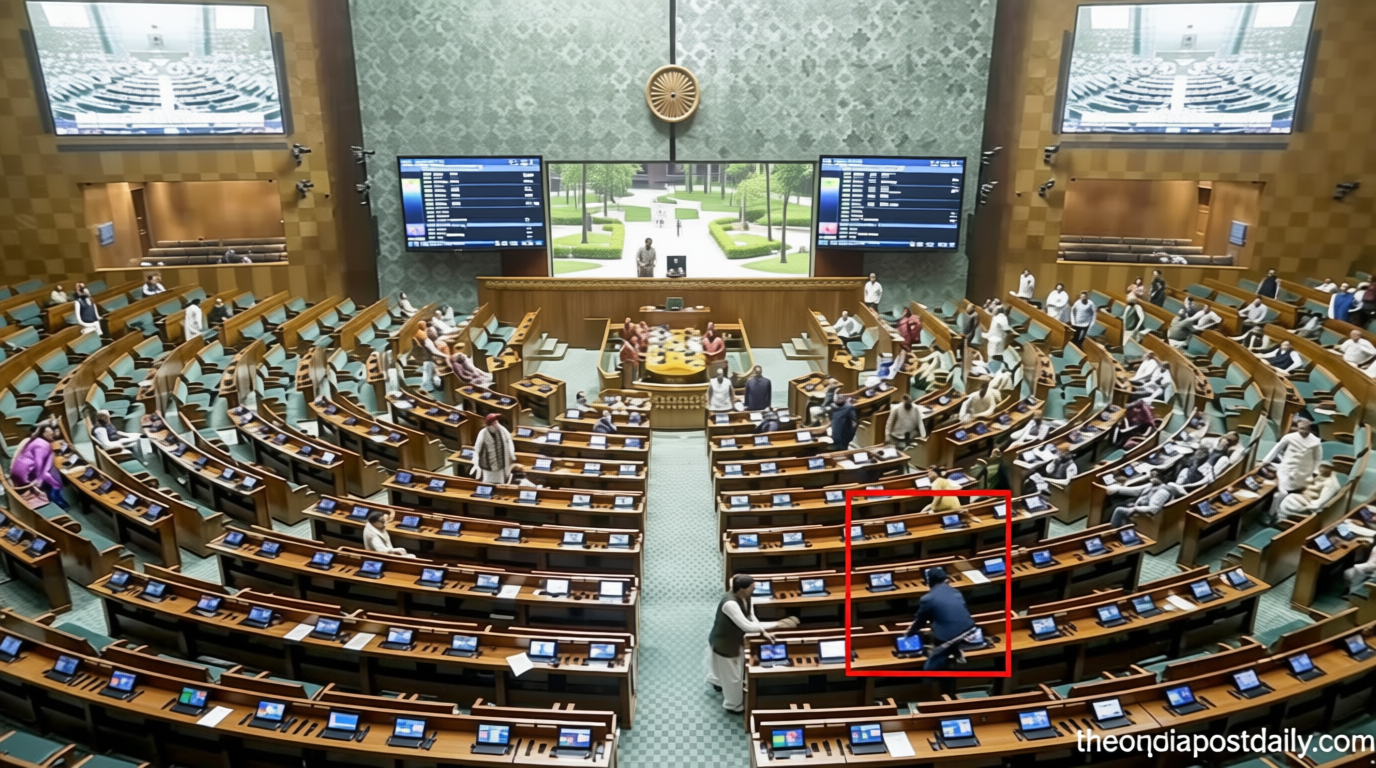
Theindiapostdaily.com – The Monsoon session of Parliament is poised to commence on July 20, according to recent reports from the news agency PTI. This session, which is anticipated to span three weeks, will provide the ruling government with a crucial opportunity to advance its agenda. While the Cabinet Committee on Parliamentary Affairs (CCPA) has yet to finalize the exact dates, the decision to schedule the session during the monsoon season reflects a strategic timing to address pressing legislative matters ahead of the upcoming general elections. The session’s duration and focus are expected to align with the government’s priorities, including economic reforms, social welfare measures, and policy initiatives aimed at addressing the nation’s developmental challenges.
“The session is expected to last for three weeks, though the Cabinet Committee on Parliamentary Affairs (CCPA) is still deliberating on the exact schedule,” PTI noted in its latest update. The timing of the session also comes amid heightened political activity, with several key parties engaging in debates over representation and governance. The CCPA’s ongoing discussions suggest that the monsoon session will likely serve as a platform for the ruling party to consolidate its position in the legislative landscape.
BJP’s Electoral Triumphs and Their Influence on the Session
The Monsoon session of Parliament likely follows the BJP’s recent electoral victories in West Bengal, Assam, and Puducherry, which have significantly bolstered its confidence ahead of the next general elections. These wins have not only reshaped the political map but also raised expectations for the party’s legislative performance. The session is expected to witness the introduction of several bills that align with the BJP’s core policies, including infrastructure development, agriculture reforms, and initiatives to strengthen the National Democratic Alliance (NDA) coalition. Political analysts suggest that the Monsoon session will be pivotal in showcasing the government’s ability to address both national and regional concerns effectively.
Group Recognition and Parliamentary Politics
As the Monsoon session of Parliament likely approaches, the recognition of political groups in the Lok Sabha remains a critical point of discussion. The Speaker, Om Birla, is anticipated to rule on petitions filed by 20 TMC and six Shiv Sena (UBT) members seeking separate group status. This decision could redefine the balance of power within the Lower House, particularly as the TMC and Shiv Sena face internal challenges that may influence their performance during the session. The Monsoon session of Parliament likely will provide a platform for these groups to assert their influence, potentially shaping the passage of key legislation and debates on major issues.
The recognition of groups is not merely a procedural step but a strategic move that impacts legislative dynamics. With the Monsoon session of Parliament likely to be held during a politically charged period, the formation of new groups could create alliances or rivalries that affect the government’s ability to push its agenda. The BJP’s strong position in the Lower House, combined with the potential for group recognition, is expected to provide stability to the parliamentary proceedings. However, the presence of opposition groups like the TMC and Shiv Sena (UBT) may add complexity to the session’s outcomes.
Key Legislative Priorities and Budgetary Agenda
The Monsoon session of Parliament likely will be centered around the government’s legislative priorities, with a focus on policies that address economic growth and social development. Among the key issues expected to be discussed is the redrafted bill to expand Lok Sabha representation by 50 percent, a proposal aimed at ensuring proportional representation based on population. This bill, which had previously faced rejection in the Lower House, is now being re-examined with the intent to secure broader support. The Monsoon session of Parliament likely will also see the introduction of amendments to existing laws, including those related to the delimitation of electoral constituencies and the welfare of women and minorities.
Another major focus of the session will be the government’s economic policies, particularly those related to the monsoon season, which is vital for agricultural output and rural livelihoods. The Monsoon session of Parliament likely is expected to host detailed discussions on the Union Budget, which will outline fiscal measures to stimulate growth and investment. Additionally, the session will likely address the challenges posed by inflation, energy costs, and the impact of global economic trends on India’s development trajectory. The government’s ability to present a coherent legislative agenda during this period will be closely watched by political observers and industry stakeholders alike.
Previous Session’s Setback and the Need for Reforms
The Monsoon session of Parliament likely comes in the wake of a setback during the previous session, when a proposed Constitution amendment aimed at introducing women’s reservations in legislatures and expanding Lok Sabha seats was rejected. This rejection highlighted the challenges the government faces in securing consensus on major reforms. The Monsoon session of Parliament likely will serve as a chance to revisit and refine these proposals, ensuring they gain the necessary support. The failure to pass the amendment in the last session underscores the importance of the current session in advancing policies that promote gender equality and electoral fairness.
Delimitation of constituencies, a contentious issue that has been debated for years, is also expected to be a key topic during the Monsoon session of Parliament likely. The proposal to revise constituency boundaries in light of population growth and urbanization will be scrutinized by both ruling and opposition parties. With the upcoming session, the government aims to present a revised delimitation plan that addresses the concerns of states with growing populations, particularly in southern India. The Monsoon session of Parliament likely will thus be instrumental in determining the future of electoral representation and the balance of political power across the country.
(With PTI inputs)