Modi says India will keep expanding oil refining capacity
Modi says India will keep expanding oil refining capacity Theindiapostdaily.com – Prime Minister Narendra Modi recently reiterated India’s unwavering commitment to expanding its oil refining infrastructure, positioning the nation as…
Modi says India will keep expanding oil refining capacity
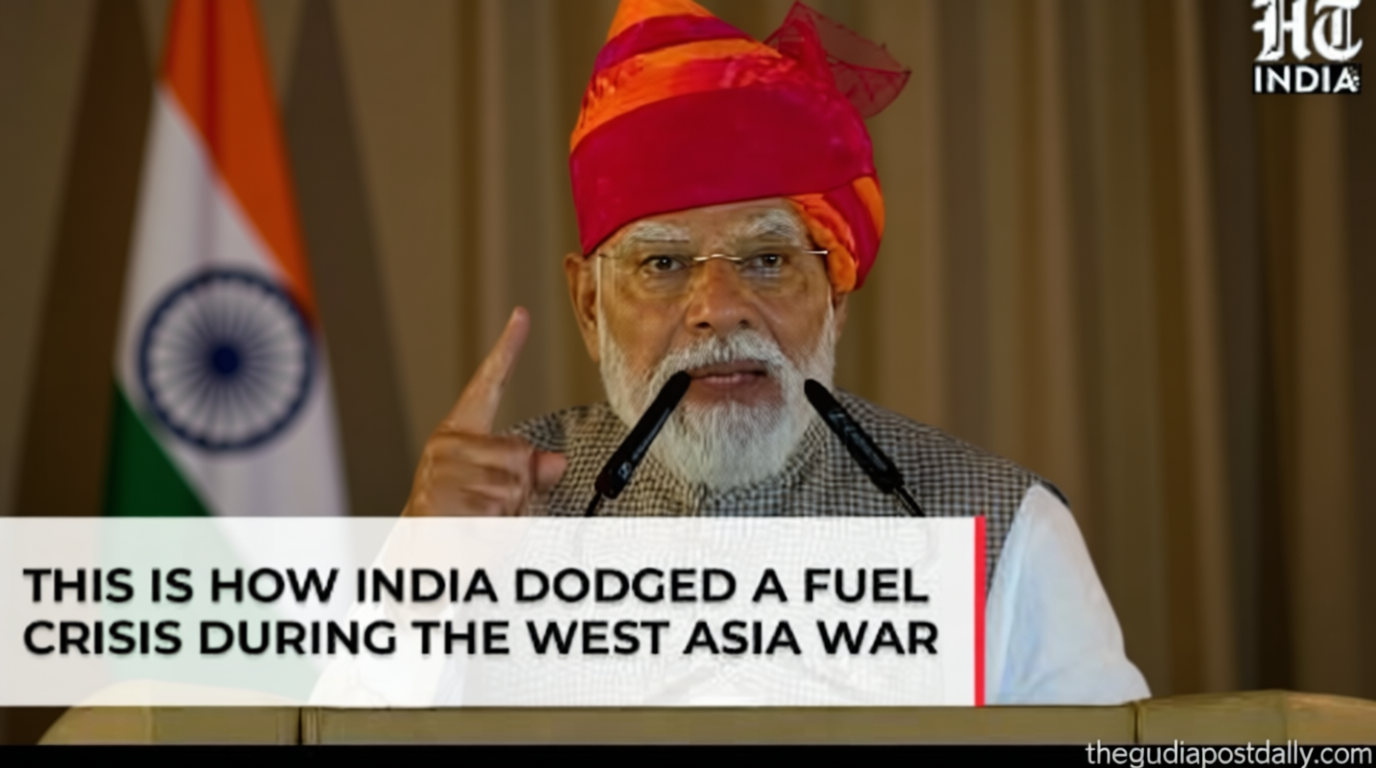
Theindiapostdaily.com – Prime Minister Narendra Modi recently reiterated India’s unwavering commitment to expanding its oil refining infrastructure, positioning the nation as a key player in the global energy landscape. In his address during the inauguration of the country’s first new refinery in over a decade, Modi emphasized that India will keep expanding its refining capacity to secure energy independence and strengthen its supply chain against uncertainties. This strategic move comes at a time when major Western economies, including the United States and Europe, have experienced a steady decline in refining capabilities, raising concerns about their ability to meet domestic energy demands.
The Barmer Refinery: A Milestone in India’s Energy Strategy
The newly commissioned refinery in Barmer, Rajasthan, stands as a testament to India’s resolve in this endeavor. With a capacity of 180,000 barrels per day, the facility was developed at a cost of $8.3 billion and is set to significantly boost the nation’s petrochemical production. This project not only highlights Modi’s vision of energy self-reliance but also underscores India’s proactive approach to ensuring a stable and secure supply of refined products. BloombergNEF analysts have noted that the Barmer refinery will be the only new refinery launched globally in 2026, marking a pivotal moment in India’s energy sector.
“The US hasn’t added a new refinery in more than 50 years, while European refining capacity continues to shrink,” Modi stated, underscoring India’s proactive approach to domestic energy needs. His remarks reflect a broader strategy to diversify energy sources and reduce reliance on volatile international markets.
Geopolitical Tensions and the Need for Domestic Capacity
The timing of the refinery’s inauguration is particularly significant, as it aligns with heightened geopolitical tensions affecting global oil supply chains. Recent conflicts in the Middle East, especially around the Strait of Hormuz, have exposed vulnerabilities in the world’s energy infrastructure, prompting Modi to stress the importance of India’s self-sufficiency. While the country still depends heavily on crude oil imports, the Barmer refinery enhances its ability to process a variety of crude grades and produce finished fuels, reducing the risks associated with geopolitical disruptions.
India’s investment in refining capacity also serves as a response to shifting global energy dynamics. As the world transitions toward renewable energy, the demand for refined products like diesel and gasoline remains robust. Modi highlighted that the nation’s strong fuel consumption, coupled with slower adoption of electric vehicles, justifies continued expansion of refining infrastructure. Additionally, the refinery’s focus on petrochemicals aligns with India’s export ambitions, enabling it to capitalize on global markets while meeting domestic needs.
Long-Term Goals and Economic Implications
The Barmer refinery is part of a larger initiative to modernize and expand India’s refining sector. Modi said India will keep expanding its refining capacity as part of a long-term plan to achieve energy security and support industrial growth. The project’s completion marks a 3.5% increase in the country’s total refining capacity, which now stands at 5.4 million barrels per day. This growth is expected to continue, with India aiming to reach 6.2 million barrels per day by the late 2020s through a combination of new projects and upgrades at existing facilities.
Analysts have noted that India’s refining expansion strategy is driven by both economic and strategic considerations. The new refinery in Rajasthan not only provides a reliable supply of fuel but also creates employment opportunities and stimulates regional development. Modi’s focus on domestic production is part of a broader vision to reduce import dependency and bolster the country’s energy self-reliance. By investing in advanced refining technologies, India will keep expanding its capacity to meet rising demand and remain competitive in the global market.
India’s success in this area is further supported by its robust economic growth and industrialization. As the world’s fourth-largest oil refiner, the nation’s ability to scale up production is critical to maintaining its position in the global energy sector. Modi’s administration has prioritized infrastructure development, and the Barmer refinery exemplifies this focus. The facility’s operations began on June 22, following a minor delay caused by a fire at its crude distillation unit. This setback, however, did not deter the government from pursuing its goals, as the project remains a cornerstone of India’s energy security plan.
Looking ahead, Modi said India will keep expanding its refining capacity to ensure resilience against supply chain shocks and meet the growing needs of its population. The country’s increasing reliance on refined products, such as diesel and gasoline, necessitates a reliable domestic supply chain. With global oil prices fluctuating and geopolitical risks persisting, India’s strategic investments in refining infrastructure provide a buffer against economic volatility. The Barmer refinery’s completion is a step toward achieving this balance, positioning India as a leader in the next phase of global energy expansion.