LPG prices today — 25 June: How costly are domestic and commercial cylinders in Delhi, Mumbai, Bengaluru, other cities
LPG Prices Today (June 25): Stability in Domestic Costs Amid Rising Commercial Rates Theindiapostdaily.com – As of 25 June, LPG prices today remain stable for domestic cylinders in key Indian…
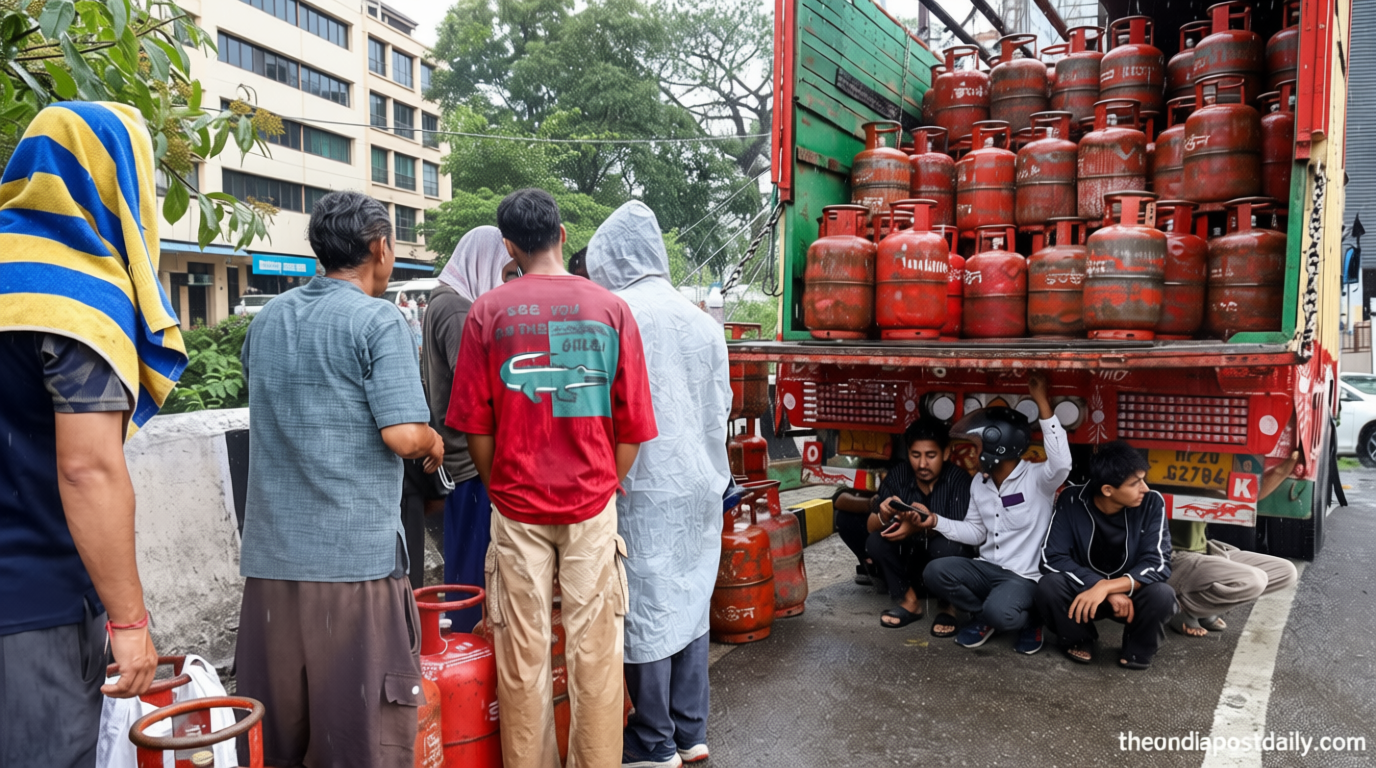
LPG Prices Today (June 25): Stability in Domestic Costs Amid Rising Commercial Rates
Theindiapostdaily.com – As of 25 June, LPG prices today remain stable for domestic cylinders in key Indian cities like Delhi, Mumbai, and Bengaluru, offering some relief to consumers amid persistent inflationary pressures. However, commercial LPG cylinder costs have continued to climb, driven by fluctuating global oil prices and supply chain dynamics. The latest pricing update from oil marketing companies (OMCs) reflects a strategic decision to maintain domestic rates unchanged, while commercial prices saw a notable increase of ₹42 per cylinder following the most recent adjustment. This divergence highlights the ongoing challenges in balancing energy costs for households and businesses in the country.
Domestic Cylinder Prices: A Tale of Two Trends
For the domestic LPG cylinder, the prices have remained steady at ₹29 in late May, following a previous ₹60 hike in March. This stability is partly attributed to OMCs’ cautious approach, as they await further clarity on global market conditions before making another adjustment. The domestic rate, which is typically lower than commercial, is designed to ensure affordability for households, though the recent increases have sparked concerns over the long-term impact on consumer budgets. In cities like Delhi, Mumbai, and Bengaluru, the cost of a 14.2 kg cylinder is now around ₹1,480, a figure that has remained consistent since the last update in early June.
The retail price of LPG today is influenced by a combination of factors, including the international benchmark for oil, domestic demand, and the rupee’s performance against the US dollar. On June 25, the rupee appreciated to 94.33 against the dollar, easing some of the pressure on import costs. Despite this, domestic LPG prices have not yet seen a significant drop, as OMCs continue to absorb some of the financial burden to keep rates stable for everyday users. Analysts suggest that this trend may persist until global oil prices stabilize further.
Commercial Cylinder Costs: A Sharp Upturn
Commercial LPG cylinder prices, which are directly tied to international import parity, experienced a sharp rise of nearly ₹42 on June 25, following the latest revision. This adjustment aligns with the Saudi Contract Price (CP), which is set monthly by Saudi Aramco based on global oil benchmarks. Over the past four months, commercial cylinder prices have surged by 79%, reflecting the broader volatility in energy markets. The increase is exacerbated by ongoing supply chain disruptions in the Strait of Hormuz, which have impacted oil shipments and added to the cost of importing LPG to India.
“India’s LPG imports from the US are expected to reach a record 1 million metric tons this month,” reported Reuters, citing industry sources. This surge in imports underscores the country’s reliance on global markets to meet its energy demands, particularly as domestic production struggles to keep pace with rising consumption. The U.S. has become a major supplier of LPG to India, with the latest shipment of 45,000 tons arriving from Kuwait to address the shortfall caused by reduced exports from the Gulf region.
The commercial LPG price today has created additional strain for businesses, especially in sectors such as hospitality, manufacturing, and transportation, which heavily depend on bulk fuel. With the cost of a 14.2 kg cylinder now exceeding ₹1,520, companies are grappling with higher operational expenses. Industry experts warn that without further adjustments, commercial LPG costs could continue to rise, potentially affecting the competitiveness of Indian industries in the global market.
Supply Chain Recovery and Its Impact
Recent improvements in the supply chain, particularly in the Gulf region, have provided a temporary reprieve for LPG prices. After a period of disruption due to the Strait of Hormuz crisis, oil shipments from the UAE have rebounded to approximately 300,000 to 400,000 tons this month. Additionally, Kuwait is set to deliver 45,000 tons of LPG, helping to meet India’s growing demand. These developments have contributed to a gradual stabilization in prices, although the recovery remains incomplete.
As of recent data, 30 India-bound ships have successfully navigated the Strait of Hormuz, with 15 carrying LPG and LNG, eight transporting bulk cargo, and seven loaded with crude oil. Times of India noted that 19 of these vessels transited the waterway between 1 March and 17 June, while the remaining 11 crossed after the signing of the Washington-Tehran Memorandum of Understanding (MoU). This increase in maritime traffic signals a return to normalcy in global energy trade, but the delayed shipments have already contributed to price volatility in the past few months.
While the recovery in the Gulf region is a positive sign, the cost of importing LPG remains a critical factor in shaping domestic prices. The Indian rupee’s appreciation to 94.33 against the dollar has helped offset some of the import costs, but the overall economic environment—marked by inflation, currency fluctuations, and geopolitical tensions—continues to influence pricing decisions. As the market stabilizes, OMCs are likely to monitor global trends closely to determine whether to adjust domestic rates in the coming weeks.