LPG prices today — 14 June: Domestic and commercial cylinder rates in Delhi, Mumbai, Bengaluru, Kolkata and other cities
As of 14 June 2026, LPG prices today remain stable, with no significant
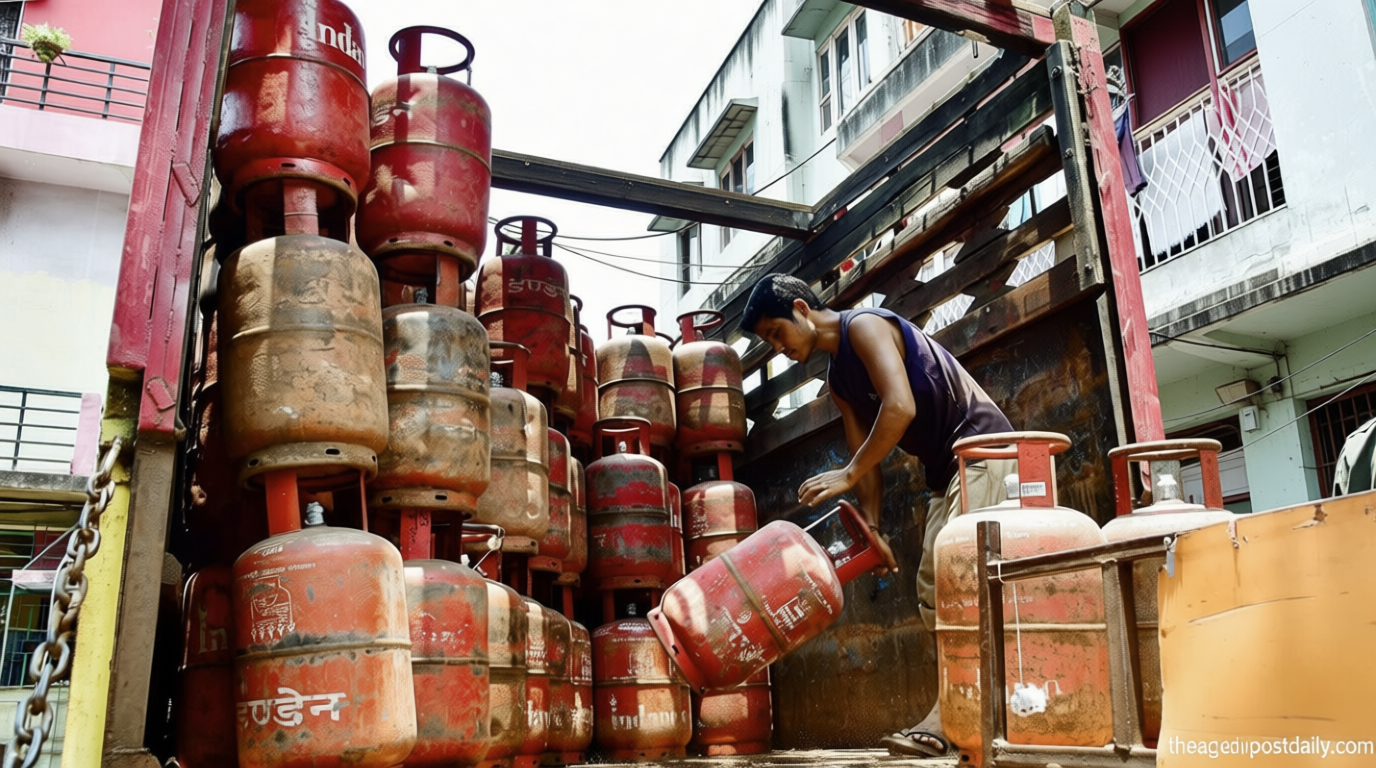
LPG Prices Today — 14 June: Domestic & Commercial Cylinder Rates in Key Cities
Theindiapostdaily.com – As of 14 June 2026, LPG prices today remain stable, with no significant changes reported across major Indian cities. This follows a recent price hike on 7 June, where domestic and commercial cylinder rates were adjusted, leading to an increase of ₹29 in the 14.2 kg domestic cylinder. The adjustment marks the second upward movement in three months, after a prior ₹60 surge on 7 March. Despite these fluctuations, the overall trend for LPG prices today reflects a cautious approach by state-run oil marketing companies (OMCs) to balance global market dynamics and domestic affordability.
Regional Variations in LPG Pricing
LPG prices today show slight regional differences, with Delhi, Mumbai, Bengaluru, and Kolkata maintaining prices at ₹942, ₹941.50, ₹944.50, and ₹943.50 respectively for the 14.2 kg domestic cylinder. These figures align closely with the national average, though local adjustments based on supply chain logistics and distribution costs have created minor discrepancies. For instance, in Chennai, the price stands at ₹940, while Hyderabad reports ₹942.50. Commercial cylinder rates, which are typically 5% higher than domestic, are similarly consistent across cities, with Mumbai leading at ₹985.50 and Delhi at ₹986.20. These variations highlight the nuanced interplay between central policy and local market conditions in shaping LPG prices today.
The government’s strategy to gradually pass on global oil price volatility to consumers has been a focal point of recent discussions. While state-owned oil companies continue to absorb most of the shocks from the ongoing West Asia conflict, the administration has signaled a shift toward mitigating the impact on households. This approach aims to address persistent under-recoveries in the petroleum sector, which have been exacerbated by the energy crisis. Experts suggest that the decision to stabilize prices today is a strategic move to prevent a surge in consumer inflation, particularly in light of rising costs for other essential goods and services.
Global Oil Market Pressures
Global factors have played a critical role in shaping LPG prices today. Disruptions in crude oil and natural gas supplies through the Strait of Hormuz, a vital maritime chokepoint for approximately 20% of global oil exports, have intensified pressure on domestic pricing structures. The conflict in the region has led to heightened geopolitical risks and volatility, which are directly influencing the cost of LPG. Additionally, the surge in international energy prices, driven by demand from industrial sectors and export markets, has further compounded the situation. These global pressures are now being felt locally, with OMCs closely monitoring market trends to adjust rates accordingly.
“Let us see the supply of crude oil. We have the minister concerned, Hardeep Singh Puri. Let it come,” remarked Union Minister of State for Petroleum and Natural Gas Suresh Gopi during a recent briefing. His remarks underscore the urgency of addressing supply chain issues that have kept LPG prices today elevated. Meanwhile, Hardeep Singh Puri himself highlighted during a press engagement in Ludhiana that India’s energy supply remains stable, despite global price surges. He noted that domestic fuel costs have decreased by 3.1% from May 2022 to May 2026, a testament to the government’s efforts in managing inflationary pressures.
Analysts at ICICI Bank Global Markets, in their 12 June 2026 report, predict that inflation could rise to 5.0% in the fiscal year 2027, with core inflation projected at 4.6%. The West Asia conflict and a below-normal monsoon season are cited as key drivers of this trend. These factors are expected to lead to further policy rate hikes of 50-75 bps, which could have a cascading effect on LPG prices today. The report also emphasizes the need for OMCs to balance their role as price setters with their responsibility to ensure affordability for consumers, especially in light of the current economic climate.
Looking ahead, the interplay between global oil markets and domestic policies will continue to shape LPG prices today. Consumers in cities like Delhi, Mumbai, Bengaluru, and Kolkata are likely to see continued fluctuations as OMCs navigate the complexities of supply chain disruptions and demand shifts. While the recent stability in rates offers some relief, the underlying pressures suggest that the situation may not remain static. Policymakers are under scrutiny to implement measures that can cushion the impact of rising energy costs, ensuring that LPG prices today remain aligned with the needs of the general population.