LPG prices today, 10 June: Domestic and commercial cylinder rates in Delhi, Mumbai, Bengaluru, Kolkata
On 10 June, LPG prices remained unchanged in key cities like Delhi
LPG Prices Today, 10 June: Updated Rates in Major Indian Cities
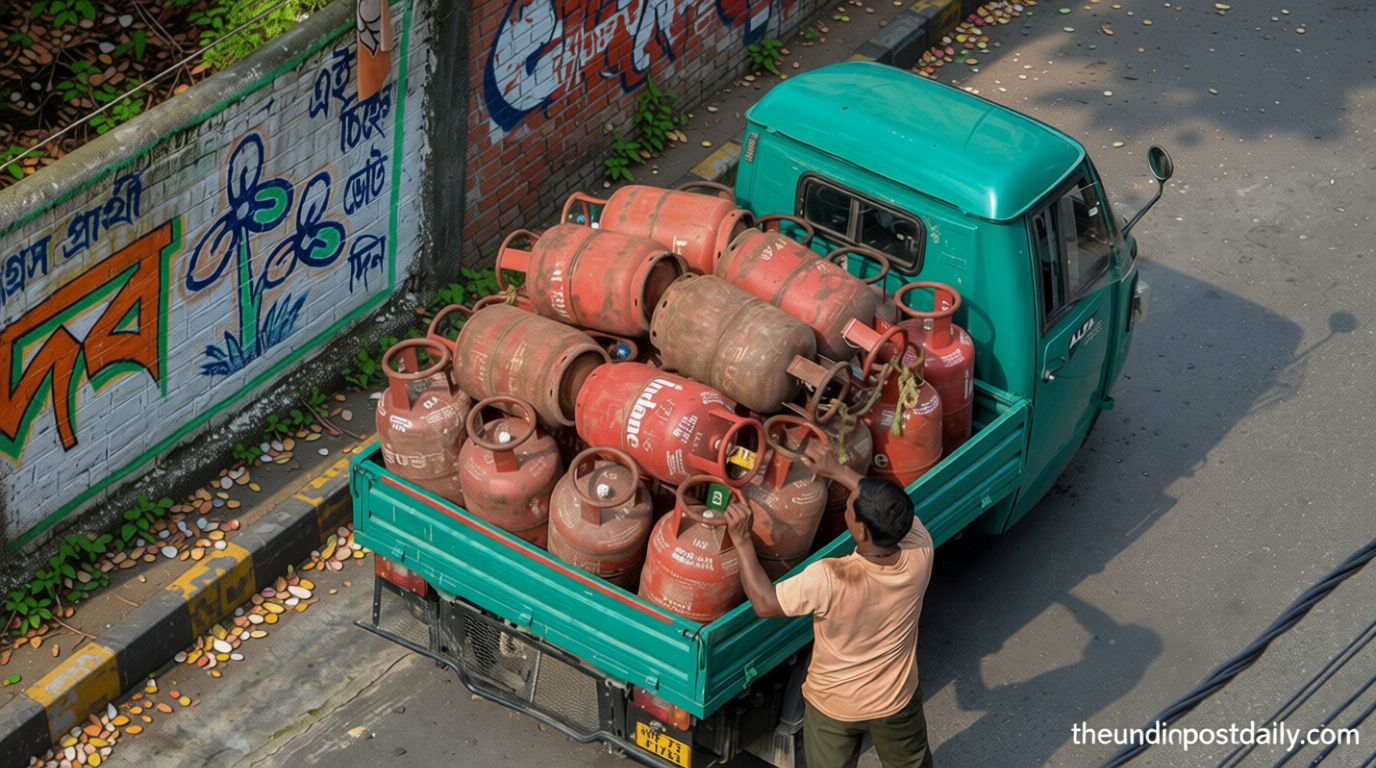
Theindiapostdaily.com – On 10 June, LPG prices remained unchanged in key cities like Delhi, Mumbai, Bengaluru, and Kolkata. This comes after a ₹29 increase for domestic cylinders on 7 June, marking the second price revision in three months. The initial hike of ₹60 occurred on 7 March, as the government continues to monitor energy market fluctuations. Commercial cylinder prices, however, saw a ₹42 rise, reflecting the fourth adjustment since 1 June, driven by global oil price volatility and supply chain challenges.
The recent pricing decisions highlight the delicate balance between consumer affordability and the state’s efforts to stabilize fuel costs. While oil marketing companies (OMCs) absorb some losses per cylinder, the government ensures that households, particularly those under the Ujjwala scheme, receive financial relief. Despite the upward trend in domestic LPG prices over the past three months, officials maintain that India’s cooking gas rates remain among the lowest globally, offering a competitive advantage for citizens.
Current LPG Cylinder Rates in Major Cities
As of 10 June, the 14.2-kg cooking gas cylinder price is stable in Delhi, Mumbai, Bengaluru, and Kolkata. Delhi reports ₹942 per cylinder, Mumbai at ₹941.50, Bengaluru at ₹944.50, and Kolkata at ₹968. Hyderabad, though not in the top four cities, records ₹994 per cylinder. These prices remain consistent with the previous day, indicating that the market has not yet reacted to recent geopolitical tensions in West Asia, which have previously influenced global fuel costs.
India’s LPG demand has been steadily decreasing, with a reported drop of 2.13 million tons this year. This decline aligns with broader energy consumption trends, as the country shifts towards alternative fuel sources. Over 90% of LPG supply originates from the Middle East, primarily used for domestic cooking. The government’s subsidies and strategic reserves have helped cushion the impact of international price fluctuations on consumers.
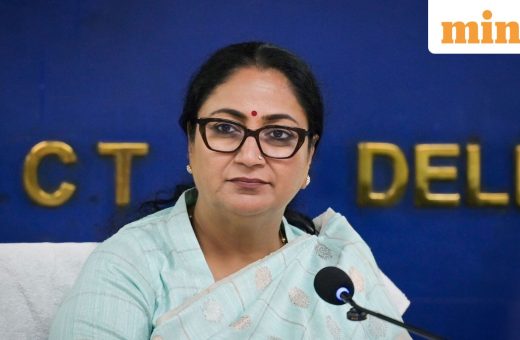
“Whether you’re a Ujjwala beneficiary or a regular user, the cost of a cylinder today is significantly lower than pre-2023 levels. Non-Ujjwala customers pay around ₹942, while Ujjwala recipients benefit from an additional ₹300 subsidy, bringing their effective cost to ₹700. This support is crucial for low-income households, ensuring affordability during economic uncertainties,” noted Praveen Mal Khanooja during an inter-ministerial meeting.
Opposition leaders have raised concerns over the Ujjwala scheme’s recent changes. They argue that reducing subsidized cylinders from nine to four has disproportionately affected poorer families. Rahul Gandhi criticized the government’s approach, linking it to a broader critique of economic policies and foreign relations. He highlighted that domestic LPG prices have climbed by ₹89 in three months, with 5-kg cylinders now costing ₹323 more than before. This increase has sparked debates about the long-term impact on household budgets.
The Petroleum Ministry has defended the subsidy structure, emphasizing that consumers still receive indirect support. OMCs are reportedly compensated with ₹52,000 crore over the past two fiscal years, ensuring that the effective cost of LPG remains manageable. Domestic production of LPG reached 53 TMT per day on World LPG Day, a 60% jump from pre-crisis levels. This growth, combined with strategic reserves, helps buffer against global market shocks and maintain price stability for citizens.
Looking ahead, the government faces the challenge of maintaining affordability while managing supply chain disruptions. The current pricing strategy aims to distribute the burden of global volatility more evenly across sectors. As the year progresses, continued monitoring of international oil prices and domestic demand trends will be essential to prevent further price hikes. For now, the stable rates on 10 June offer a brief reprieve to consumers navigating the energy market’s complexities.