Ladakh announces AHDCs for 7 districts, proposes new UT-level body under ‘customised Article 371 framework’
Ladakh Announces AHDCs for 7 Districts, Launches Customized Governance Framework Theindiapostdaily.com – Ladakh has taken a significant step toward enhancing local governance by announcing the implementation of Administrative and Development…
Ladakh Announces AHDCs for 7 Districts, Launches Customized Governance Framework
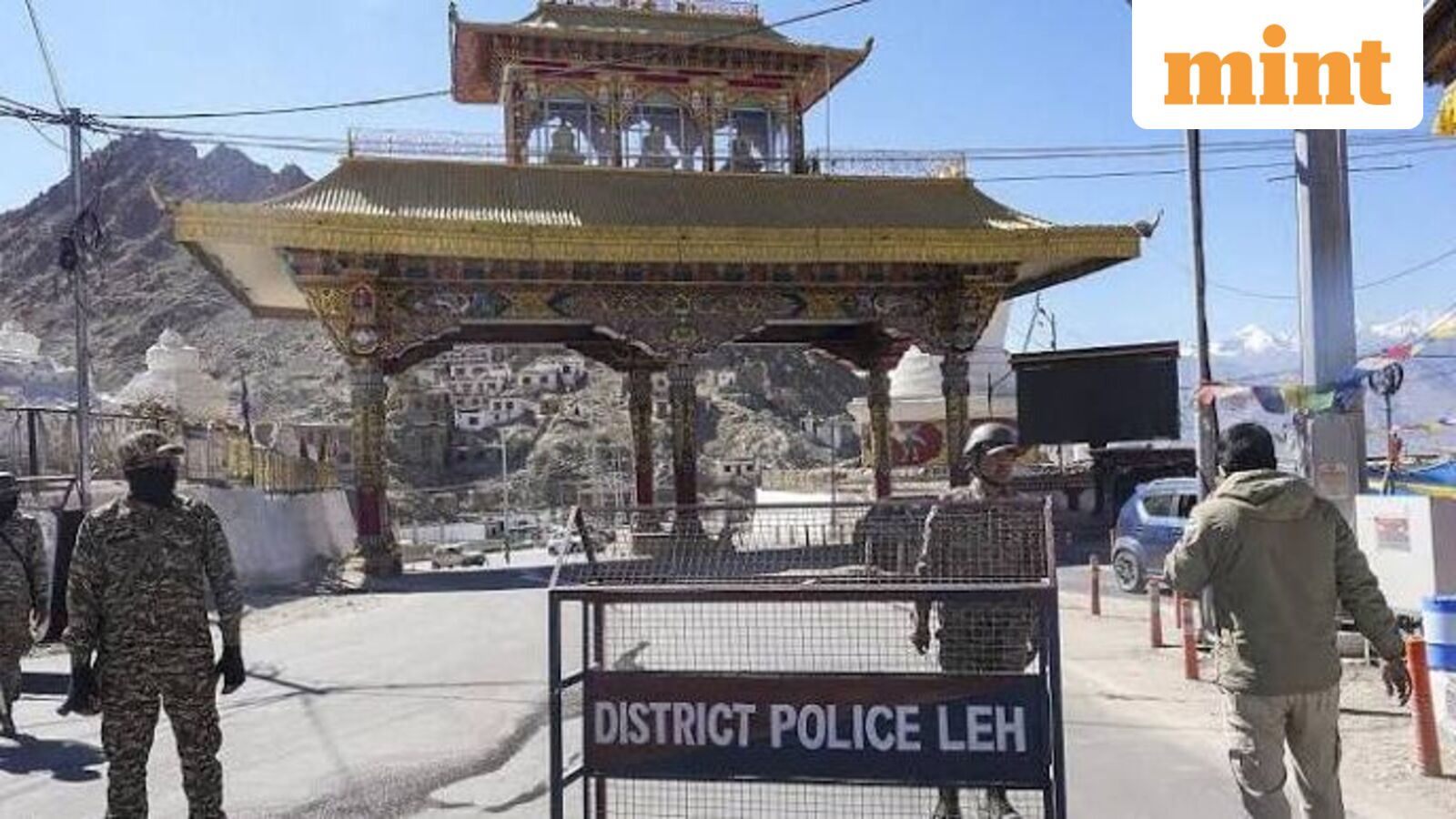
Theindiapostdaily.com – Ladakh has taken a significant step toward enhancing local governance by announcing the implementation of Administrative and Development Councils (AHDCs) across all seven districts. This move, led by Chief Secretary Ashish Kundra, aims to decentralize administrative functions and improve decision-making processes, as highlighted by the Indian news agency ANI. The reforms include the formation of 17 new tehsils, the establishment of additional divisions for public works and health engineering, and the extension of the Ladakh Autonomous Hill Development Council (LAHDC) Act to cover the entire UT. The focus keyword “Ladakh announces AHDCs for 7 districts” is central to this initiative, which is designed to address the region’s unique cultural and administrative needs.
Revolutionizing Governance Through Customized Article 371 Framework
The introduction of a new Union Territory-level body under a tailored Article 371 structure marks a pivotal shift in Ladakh’s governance model. This body will oversee legislative, executive, financial, and administrative functions, operating above the existing seven hill councils. Kundra emphasized that the framework is a strategic response to Ladakh’s distinct socio-political landscape, ensuring greater autonomy and representation for local communities. The decision reflects a commitment to aligning governance with the region’s aspirations, as outlined in the customized Article 371 provisions that grant specific rights to Ladakh’s people.
“These reforms are a testament to Ladakh’s journey toward self-sufficient governance,” said Kundra. “By empowering local bodies, we aim to create a system that is both responsive and resilient.”
Administrative Streamlining and Career Advancement Measures
As part of the broader administrative reforms, the government has prioritized the creation of 17 new tehsils to improve service delivery and administrative efficiency. Each tehsil will be staffed with Tehsildars, who will act as local coordinators for development and governance. Additionally, the expansion of divisions under the LAHDC Act is expected to enhance infrastructure projects and healthcare initiatives, particularly in remote areas. The introduction of Departmental Promotion Committees (DPCs) has also been a key focus, with efforts to expedite promotions and reduce bureaucratic delays in career progression for government employees.
Public Sector Recruitment and Employment Progress
The administration has made strides in public sector employment, with 4,011 non-gazetted Group B and C positions filled since the Union Territory’s formation. As of the latest update, results for 473 posts have been announced, and document verification is ongoing for 484 applicants. Recruitment processes for 648 additional posts are now active, according to the release. Kundra noted that the focus on employment is part of the broader goal to stabilize Ladakh’s economy and provide opportunities for its youth. Notably, 27 gazetted Group B roles have been completed, while 344 vacancies are being processed by the Union Public Service Commission (UPSC) in the 2025-26 cycle. Teaching and university roles are also set to be filled soon, with over 7,000 applications received for 40 sub-inspector posts.
Constitutional Safeguards and Community Engagement
Deliberations on constitutional safeguards for Ladakh have intensified, with the government engaging religious leaders and civil society representatives to ensure cultural identity and governance rights are protected. The discussions are part of a broader effort to embed Ladakh’s unique values into the customized Article 371 framework, which was introduced to grant the region greater autonomy. Kundra highlighted the spiritual significance of the year, linking it to the arrival of the Holy Relics of Lord Buddha and the continued influence of the 14th Dalai Lama. These efforts underscore the administration’s dedication to preserving Ladakh’s heritage while modernizing its governance structure.
Expected Benefits and Long-Term Implications
Experts suggest that the AHDCs and the new governance body will enhance Ladakh’s administrative capacity, allowing for more localized decision-making. This could lead to faster implementation of development projects and better alignment with the region’s priorities. The expanded LAHDC Act is expected to boost infrastructure development, particularly in health and public works, by streamlining resource allocation and oversight. Furthermore, the focus on public employment is likely to reduce migration to other states and create a more stable workforce. These measures, combined with the constitutional safeguards, are seen as a comprehensive approach to strengthening Ladakh’s autonomy and economic resilience.
Public Response and Future Prospects
The announcement has sparked optimism among local leaders and citizens, who view the reforms as a positive step toward self-governance. While some remain cautious about the long-term effectiveness of the new framework, the emphasis on community participation and cultural preservation has been widely appreciated. Kundra’s commitment to transparency, as reflected in the ongoing public consultations, signals a collaborative approach to governance. With the implementation of these changes, Ladakh aims to position itself as a model for other Union Territories, demonstrating how tailored policies can address regional challenges. The success of this initiative will depend on its ability to balance local autonomy with centralized coordination, ensuring sustainable development and cultural continuity.