Jharkhand: Four die of suspected asphyxiation in illegal coal mine in Ramgarh
Tragedy struck in Jharkhand’s Ramgarh district on Saturday when four workers lost their lives in a suspected
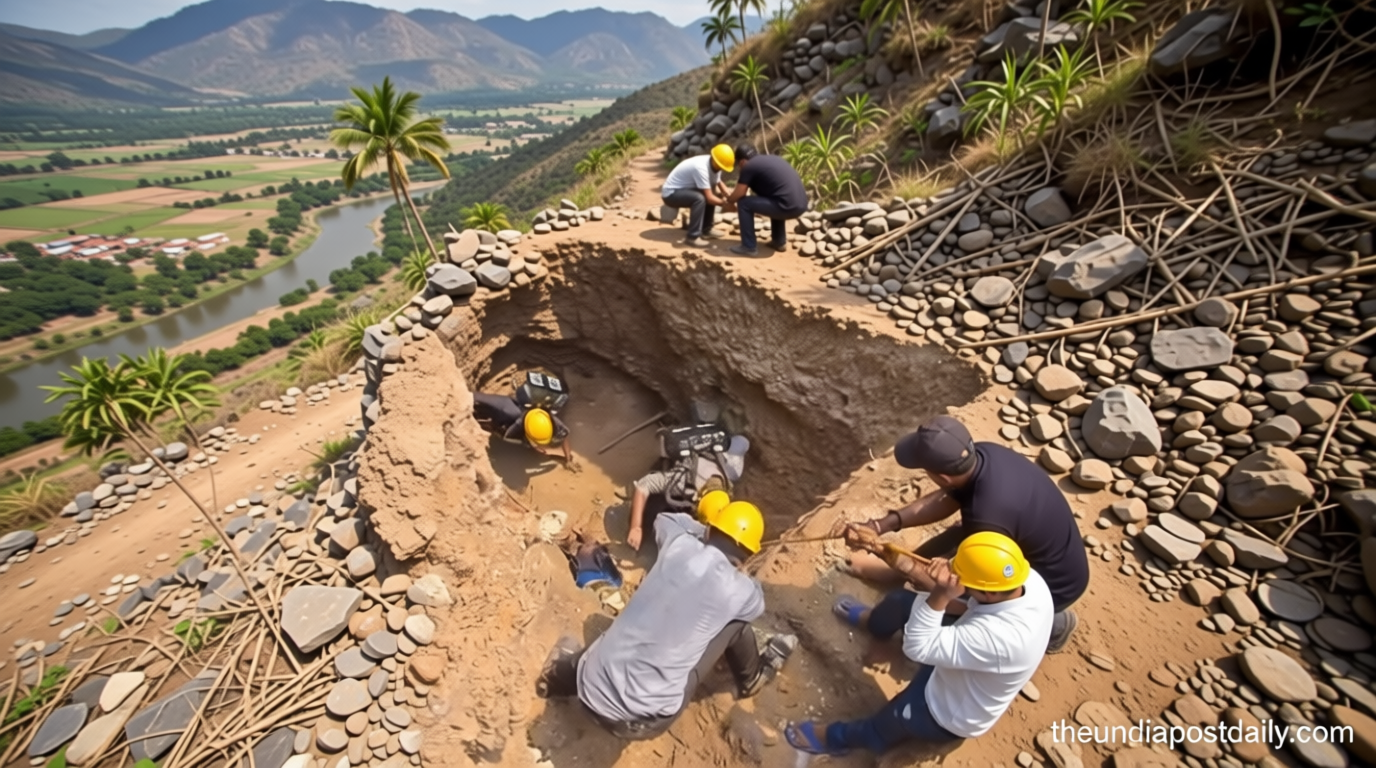
Jharkhand: Four Die in Illegal Coal Mine Tragedy
Theindiapostdaily.com – Tragedy struck in Jharkhand’s Ramgarh district on Saturday when four workers lost their lives in a suspected asphyxiation incident at an unauthorized coal mine. The incident, confirmed by local authorities to PTI, occurred in a 40-foot-deep shaft located in a forested area near Argada, under the jurisdiction of the Ramgarh police station. The victims, who were reportedly trapped in the mine, were later recovered and sent for postmortem examinations to determine the exact cause of death.
Victims of the Tragedy
The four deceased individuals were identified as Deva Bediya (30) and Dablu Bediya (36) from Chhotki Tongi village in Hazaribag district, along with Kishore Ravani (33) and Ashish Kumar Natwar, both residents of Budh Bazaar in Ramgarh district. According to Ramgarh police station head Naveen Prakash Pandey, the bodies were found in the shaft after a rescue operation, and medical teams confirmed that they arrived without signs of life. Pandey attributed the cause of death to oxygen deprivation, citing the hazardous conditions within the mine.
Regional Governor Jorge Emilio Rey announced the updated death toll of seven via an X post. He remarked, “The National Mining Agency will conduct investigations to identify the cause of this accident, which Sutatausa is currently mourning.”
Investigation and Response
Authorities are currently investigating the incident to ascertain the exact sequence of events leading to the fatalities. The Ramgarh police have launched a probe into the mine’s operations, including its safety protocols and whether regulatory violations contributed to the disaster. Officials emphasized that the mine was operating illegally, with no formal permits or compliance with standard safety measures. This has raised concerns about the risks faced by miners in unauthorized coal mines across Jharkhand, a state known for its extensive coal reserves and frequent mining-related accidents.
Coal mining in Jharkhand has long been associated with perilous working conditions, particularly in illegal operations where safety is often compromised for profit. The incident in Ramgarh is yet another grim reminder of the challenges faced by miners in the region, many of whom work in precarious environments with limited oversight.
Context of the Incident
The mine in question is part of a larger network of illegal coal extraction sites in Jharkhand, where economic pressures and lack of enforcement have led to unsafe practices. Satyajit Kumar, CCL’s Argada area manager, stated that the accident site lies outside the company’s operational area, suggesting that the mine was likely a smaller, unregulated operation. He added that the villagers involved in the incident suffered from severe oxygen loss, a common cause of fatalities in enclosed mine shafts.
Coal mine accidents in Jharkhand are not uncommon, with oxygen deprivation and gas leaks frequently cited as contributing factors. The state’s reliance on coal as a primary energy source has spurred both legal and illegal mining activities, often at the expense of worker safety and environmental regulations.
Impact and Calls for Action
The tragedy has sparked outrage among local communities and activists, who have demanded stricter enforcement of mining regulations and better safety measures. In Ramgarh, families of the victims are seeking compensation and accountability, highlighting the need for improved working conditions in the region’s coal mines. Officials have pledged to review the incident and implement stricter monitoring of unauthorized mining sites, especially in forested areas where such operations are often hidden from public view.
As the investigation continues, the incident serves as a stark warning about the dangers of illegal mining in Jharkhand. With the state’s coal production accounting for a significant portion of India’s total output, ensuring safety in both legal and illegal operations remains a critical challenge for authorities.