India-US trade deal talks resume next week
India-US Trade Deal Talks Resume Next Week, Marking a Crucial Phase in Bilateral Economic Cooperation India US trade deal talks resume - The India-US trade
India-US Trade Deal Talks Resume Next Week, Marking a Crucial Phase in Bilateral Economic Cooperation
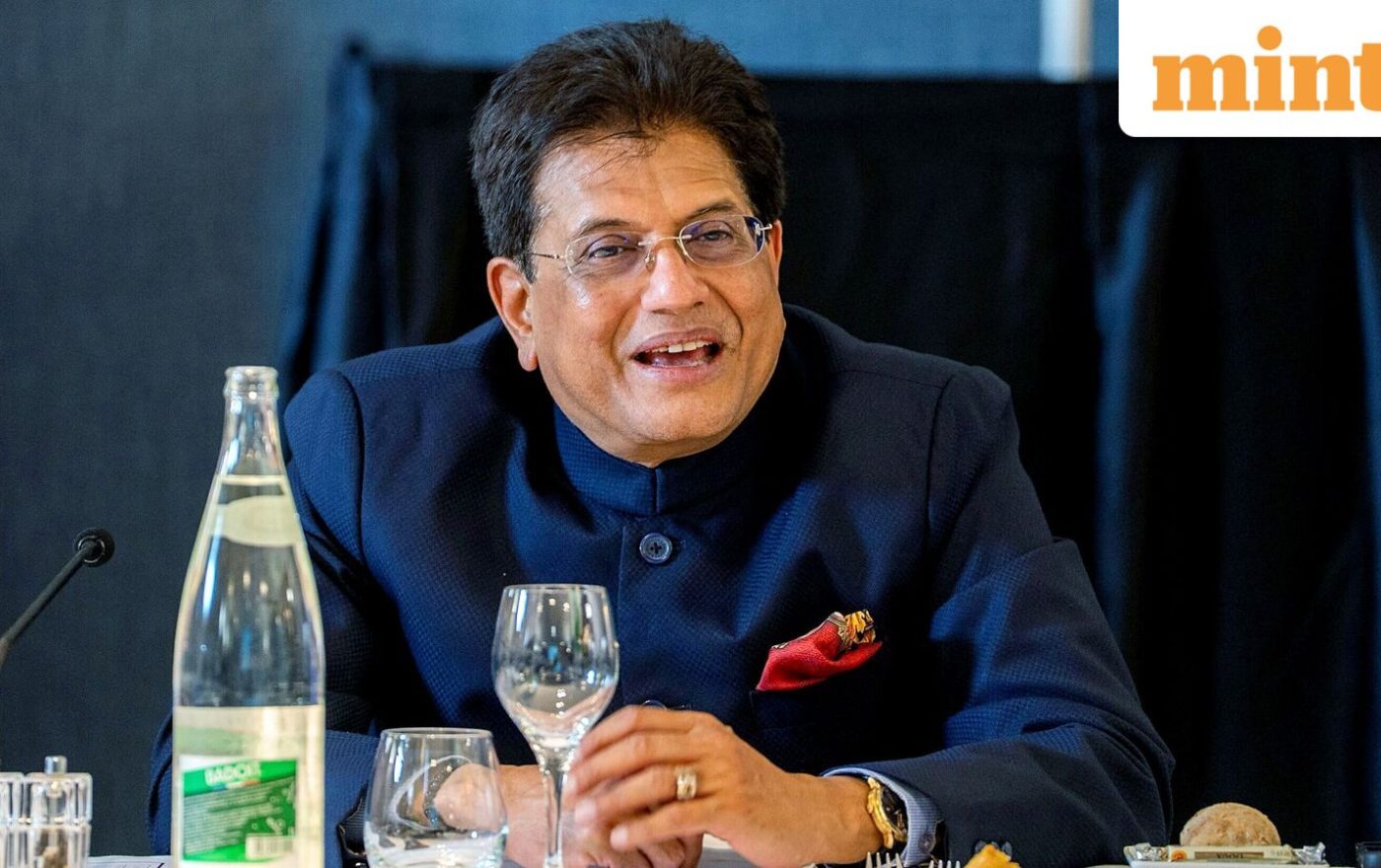
Theindiapostdaily.com – The India-US trade deal discussions are set to recommence next week, with officials from both nations aiming to finalize the proposed Bilateral Trade Agreement (BTA) amid growing economic ties. Commerce Secretary Rajesh Agrawal confirmed that the United States Trade Representative (USTR) will focus on concluding the agreement during their upcoming visit to India, starting on 22 June. Agrawal stated that the USTR delegation, led by its chief negotiator, will engage with Union Minister for Commerce and Industry Piyush Goyal on 23 and 24 June to refine the deal’s framework and address lingering issues. This renewed effort underscores the commitment of both countries to enhance trade relations and reduce barriers in key sectors.
The Road to a Comprehensive Trade Agreement
India-US trade deal talks have been a focal point of economic diplomacy for years, driven by the vision of Prime Minister Narendra Modi and former President Donald Trump to boost bilateral trade to $500 billion by 2030. The current phase of negotiations follows a previous round held in New Delhi from 1 to 4 June, where Indian officials and USTR representatives worked closely to align on trade policies, customs procedures, and economic security frameworks. The commerce ministry highlighted that discussions covered critical areas such as reducing tariffs, streamlining trade facilitation, and addressing non-tariff measures that have historically hindered commerce between the two nations.
The BTA negotiations have progressed significantly since their inception in 2025, with both sides acknowledging the need for a structured approach to resolve outstanding issues. During the latest meeting in New Delhi, Indian officials emphasized the importance of balancing domestic interests with international trade commitments, particularly in sectors like agriculture, textiles, and pharmaceuticals. Meanwhile, the USTR team reiterated the US’s focus on expanding market access for American goods and services, ensuring fair competition, and fostering sustainable growth. These efforts are expected to lay the groundwork for a comprehensive agreement that addresses the evolving needs of both economies.
Economic Implications and Trade Statistics
Bilateral trade between India and the United States has seen steady growth, reaching approximately $140 billion in goods trade during the fiscal year 2025-26. Indian exports to the US totaled $87.3 billion, while imports from the US amounted to $53.5 billion. From the US perspective, goods trade with India totaled $149.4 billion in 2025, with exports to India at $45.6 billion and imports from India at $103.8 billion. These figures reflect the deepening economic interdependence between the two countries, which has been further strengthened by initiatives such as the US-India Strategic Partnership Forum and the India-US Trade and Investment Partnership (TIP).
The proposed BTA is seen as a key driver for unlocking additional trade potential, particularly in high-growth sectors like technology, renewable energy, and pharmaceuticals. Analysts suggest that reducing tariffs on Indian manufacturing goods could boost exports of products such as textiles and machinery, while opening up US markets to Indian services may enhance digital and financial sector collaborations. The agreement also aims to address non-tariff barriers, such as sanitary and phytosanitary measures, which have been a recurring topic in previous rounds. By streamlining these processes, the BTA could lead to faster and more efficient cross-border trade, benefiting millions of businesses and consumers.
India-US trade deal talks have faced several hurdles in the past, including differences over agricultural subsidies and intellectual property rights. However, recent discussions have shown a willingness to compromise, with both sides recognizing the mutual benefits of a robust trade pact. During the June 2025 meeting, Indian officials proposed a phased implementation plan, which the USTR team welcomed as a pragmatic approach. This strategy allows for gradual integration of market reforms, ensuring that both economies can adapt to new regulations without disrupting existing trade flows. The inclusion of a “first tranche” of agreements, as mentioned by Goyal, is a strategic move to build momentum and create a foundation for future negotiations.
As the talks resume, stakeholders in both countries are hopeful that the BTA will serve as a model for multilateral trade agreements in the region. The agreement is expected to not only enhance economic cooperation but also strengthen geopolitical ties, particularly in the context of global supply chain dynamics. With the US focusing on its Indo-Pacific strategy and India seeking to diversify its trade partnerships, the BTA represents a significant opportunity to align economic interests. Industry experts predict that a successful outcome could lead to increased investment, job creation, and technological exchange, further solidifying the India-US trade deal talks as a cornerstone of bilateral relations.
The resumption of India-US trade deal talks next week marks a pivotal moment in the negotiation process. With the USTR delegation’s visit providing a platform for deeper discussions, the goal is to resolve key issues and move closer to a binding agreement. The upcoming meetings are anticipated to cover topics such as digital trade, e-commerce, and environmental standards, reflecting the modernization of trade policies. As both nations work towards their shared objective of $500 billion in trade by 2030, the success of the BTA will depend on collaborative efforts to address domestic challenges while embracing global economic opportunities. The road ahead remains complex, but the renewed engagement signals a promising direction for India-US trade deal talks.