India secures fertilizer supply as 15 vessels cross Strait of Hormuz
India Secures Fertilizer Supply Amid Global Maritime Uncertainty Theindiapostdaily.com – India's fertilizer supply chain has been successfully maintained despite rising tensions in the West Asia region, as 15 vessels navigated…
India Secures Fertilizer Supply Amid Global Maritime Uncertainty
Theindiapostdaily.com – India’s fertilizer supply chain has been successfully maintained despite rising tensions in the West Asia region, as 15 vessels navigated the Strait of Hormuz and delivered essential agricultural commodities to key ports across the nation. The government confirmed the safe arrival of these shipments, which are crucial for meeting the country’s fertilizer demand ahead of the upcoming planting season. This achievement underscores India’s strategic preparedness and its ability to mitigate disruptions in critical maritime corridors, ensuring food security for millions of farmers.
Breakdown of Key Fertilizer Shipments
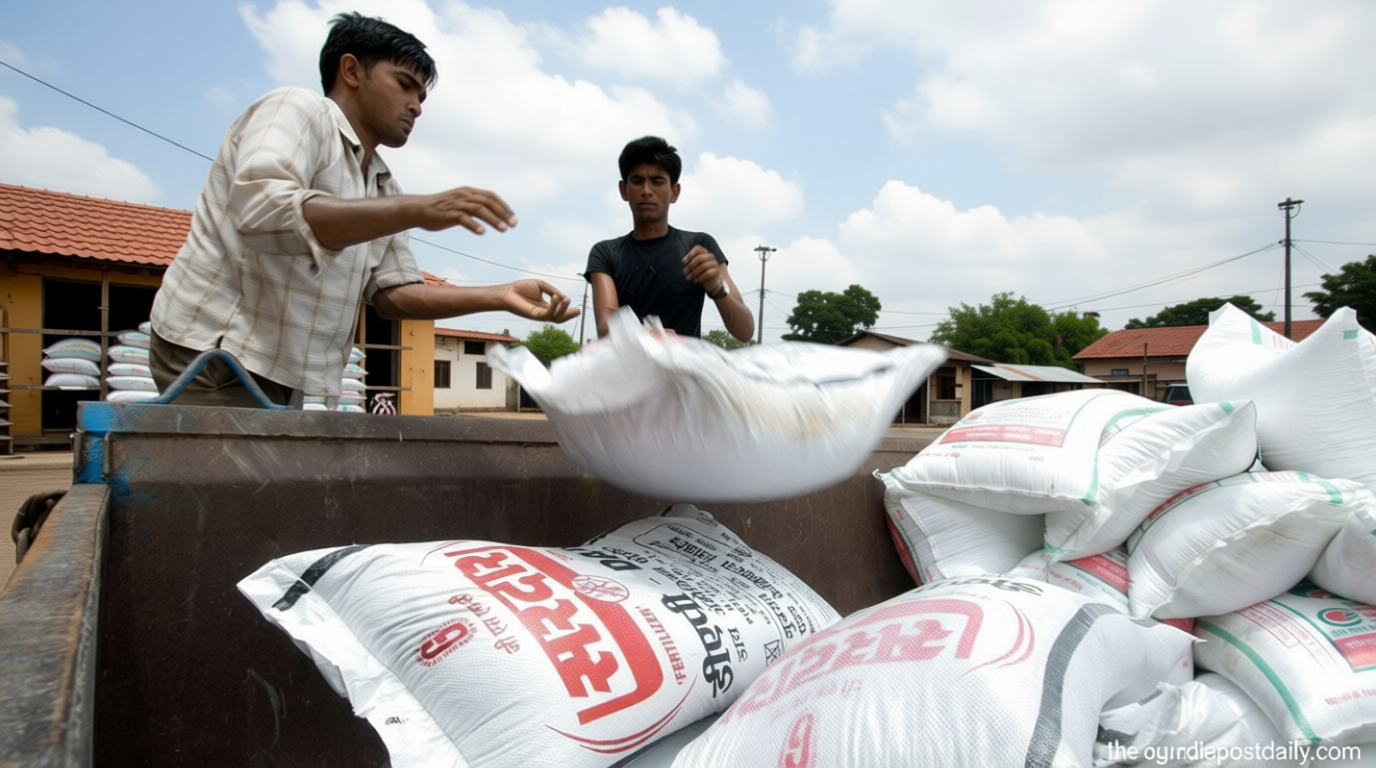
The recent cargo deliveries include a diverse range of fertilizers, with 332,000 tonnes of urea transported across eight vessels, 257,000 tonnes of diammonium phosphate (DAP) carried on four ships, and 111,000 tonnes of sulphur distributed via three transporters. These shipments not only replenish national reserves but also reflect India’s efforts to diversify its supply sources and reduce dependency on single routes. The strategic allocation of resources ensures that the agricultural sector remains well-equipped for the monsoon sowing cycle, which is vital for the country’s food production.
Additional shipments are in the pipeline, with five more vessels set to arrive in the coming weeks. These will carry further supplies, including 25,000 tonnes of ammonia and 45,000 tonnes of urea, while two more ships will load urea and sulphur. The government has emphasized that these reinforcements will maintain a steady flow of fertilizers, even as global trade tensions persist and shipping routes face potential threats. The timing of these arrivals is particularly significant, as they align with the heightened demand during the agricultural planning phase.
Strategic Measures to Safeguard Supply Chains
India’s ability to secure fertilizer supply as 15 vessels crossed the Strait of Hormuz highlights the effectiveness of its contingency planning. In response to the heightened risk of disruptions, the government swiftly activated alternative routes and strengthened partnerships with neighboring countries and global suppliers. This proactive approach has not only ensured continuity but also demonstrated India’s resilience in the face of geopolitical uncertainties. By coordinating with maritime authorities and leveraging advanced logistics, the nation has minimized the impact of potential blockades or conflicts on its fertilizer imports.
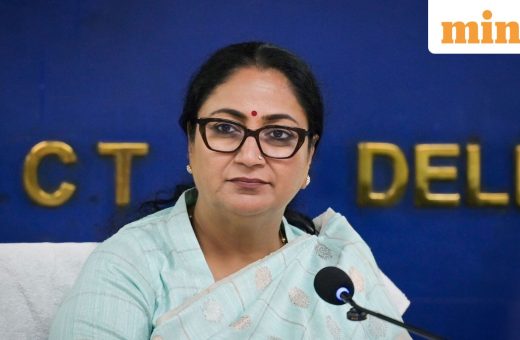
“India’s commitment to maintaining fertilizer supply is a testament to its comprehensive strategies and international collaboration,” stated Union Minister for Chemicals and Fertilizers J.P. Nadda in a recent press briefing. The minister highlighted the importance of India’s dual focus on domestic production and strategic imports, noting that the combined efforts have created a buffer against supply shocks. This buffer is critical for sustaining agricultural output, especially as global prices for fertilizers have surged due to ongoing supply chain issues.”
Expanded Sourcing Network and Regional Partnerships
As part of its strategy, India has significantly broadened its procurement network to include a wider array of suppliers. Urea, a cornerstone of Indian agriculture, is now sourced from Oman, Malaysia, Vietnam, Georgia, Nigeria, Russia, Finland, Egypt, Algeria, Türkiye, and the Netherlands. This diversification reduces vulnerability to regional conflicts and ensures a more stable influx of raw materials. Similarly, DAP and NPK fertilizers are being imported through the Red Sea, with support from Russia, Morocco, Egypt, the U.S., Jordan, South Korea, Tunisia, and Saudi Arabia.
These expanded partnerships are not only a response to the current challenges but also a long-term effort to strengthen India’s position in the global fertilizer market. By engaging with multiple countries, the government has created a robust and flexible supply chain, allowing it to adapt quickly to changing conditions. This proactive diversification has proven invaluable, as it ensures that India can continue to meet its agricultural needs without being overly dependent on any single region or route.
Domestic Production Surpasses Targets
India’s domestic fertilizer production has played a pivotal role in securing the nation’s supply chain. With the restoration of natural gas supplies to key manufacturing facilities, all urea plants have resumed full operations, surpassing quarterly production targets. In April-June 2026, the country produced 7.15 million tonnes of urea, exceeding the planned 6.78 million tonnes by 369,000 tonnes. DAP output also rose above expectations, reaching 984,000 tonnes compared to the target of 861,000 tonnes. Meanwhile, NPK and single super phosphate (SSP) production remained consistent at 2.07 million and 1.35 million tonnes, respectively.
The surge in domestic production has been instrumental in supporting India’s agricultural sector, particularly during times of uncertainty. By enhancing production efficiency, the government has created a more self-reliant system that complements international imports. This dual strategy not only safeguards the fertilizer supply but also provides a cushion against potential global shortages. Nadda reiterated that the integration of domestic and imported resources has ensured that farmers across the country are not left without the necessary inputs for their crops.
Impact on Agricultural Sector and Future Outlook
The successful arrival of 15 vessels and the reinforcement of domestic production have had a direct and positive impact on India’s agricultural landscape. With fertilizers arriving on time, farmers can proceed with their planting schedules without delays, which is essential for maximizing crop yields. The government has also emphasized its role in managing inventory levels, ensuring that the supply chain remains balanced and responsive to seasonal demands. This reliability is a key factor in maintaining India’s status as a global agricultural power.
Looking ahead, India’s strategy of securing fertilizer supply as 15 vessels cross the Strait of Hormuz is expected to continue. The government has already outlined plans for further diversification, including exploring new routes and investing in infrastructure to support faster distribution. These measures are designed to create a more resilient system, capable of withstanding future disruptions. As the nation prepares for the next agricultural cycle, the focus remains on ensuring that every step of the supply chain is optimized for efficiency and security.