India’s green hydrogen ambition is going global; 14 deals in just the first four months of 2026, says Amitabh Kant
India’s green hydrogen ambition is increasingly focused on global trade, with Indian companies signing 14 binding supply agreements in the first four months
India’s Green Hydrogen Ambition Gains Global Momentum
Theindiapostdaily.com – India’s green hydrogen ambition is increasingly focused on global trade, with Indian companies signing 14 binding supply agreements in the first four months of 2026. The deals cover 311,520 metric tonnes of annual supply, and 62% of the committed volume is intended for export markets.
The agreements point to growing overseas demand for cleaner fuels and industrial inputs. They also show that Indian projects are moving beyond broad plans toward commercial arrangements with identified buyers.
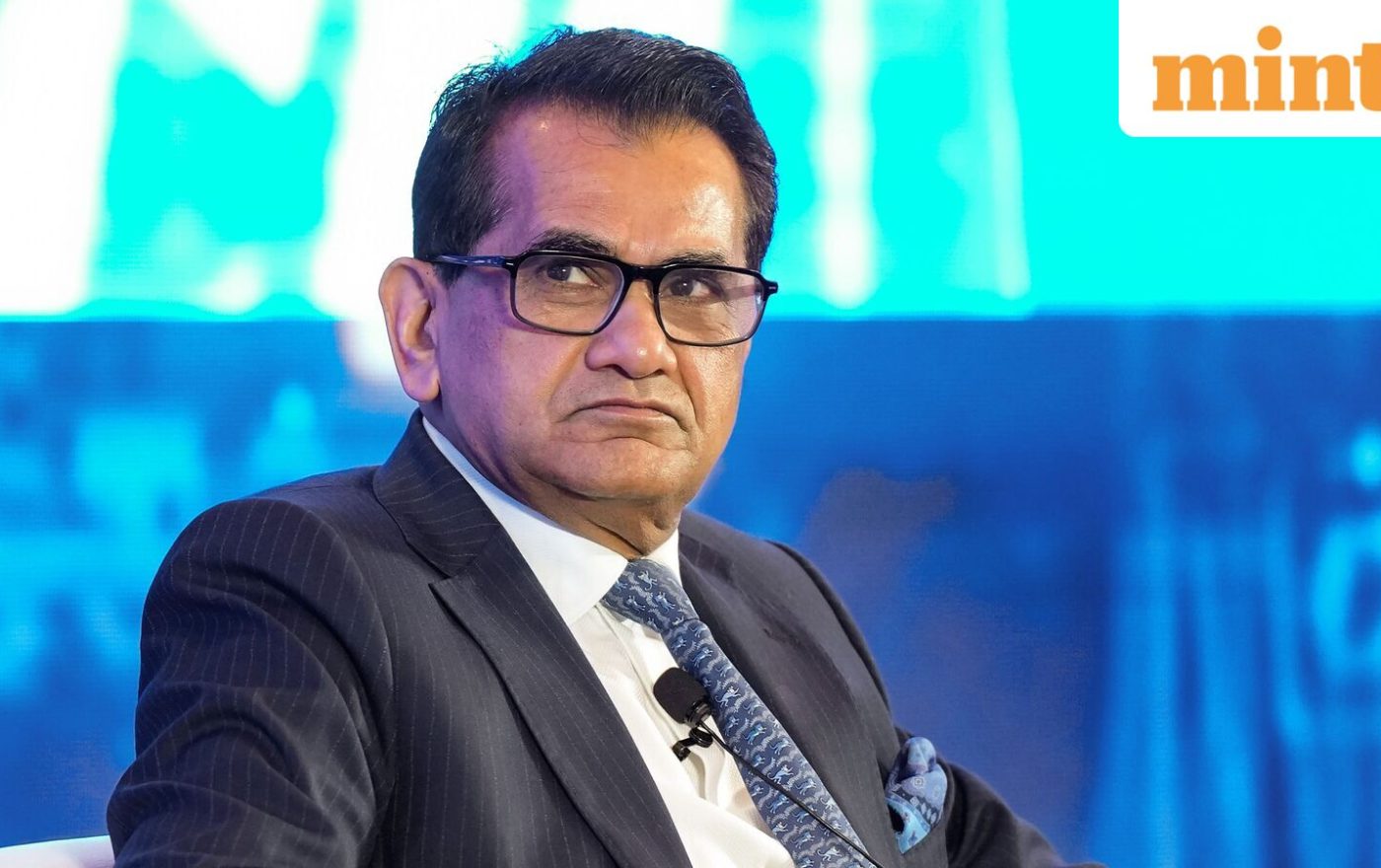
“India’s green hydrogen ambition is going global. 14 deals in just the first four months of 2026, 311,520 tonnes of annual supply, with 62% destined for export markets. India is emerging as a key player in the global clean energy trade,” Amitabh Kant wrote on X.
Kant, the former NITI Aayog chief executive and India’s G20 Sherpa, highlighted the export share as evidence of India’s expanding role in clean-energy trade. Green hydrogen and its derivatives are expected to play a larger part in international markets as industries look for alternatives to conventional fuels and fossil-based feedstocks.
India Rises in Contracted Clean Hydrogen Supply
India has reached third place globally in cumulative contracted clean hydrogen volumes. Between January and April 2026, Indian companies secured binding commitments for around 0.3 million metric tonnes of annual clean hydrogen supply, including hydrogen converted into green ammonia.
India recorded the largest volume of clean-hydrogen contracts signed during that four-month period. Binding offtake agreements are important because they can give producers confidence to invest in renewable power, electrolysers, storage, transport and other major infrastructure.
Indian companies have also signed three major binding export offtake arrangements involving more than 1 million metric tonnes annually. Together, these commitments underline how India’s green hydrogen ambition is connecting renewable-energy resources with industrial demand beyond its borders.
Green Ammonia Takes a Central Role
Much of the anticipated trade is likely to involve green ammonia rather than hydrogen transported directly. Green ammonia is produced by combining nitrogen with hydrogen made through electrolysis powered by renewable electricity.
Hydrogen can be difficult to store and ship because it requires specialised infrastructure. Converting it into ammonia offers a more practical route for international transport. The ammonia can be used in industrial applications, including as a fertiliser input, or potentially converted back into hydrogen where required.
India’s potential strength in green ammonia is linked to relatively affordable clean electricity, policy support and competitive auctions. These conditions may help producers offer supply to overseas buyers seeking lower-carbon industrial inputs.
National Green Hydrogen Mission Supports Expansion
The National Green Hydrogen Mission provides the policy framework for this growth. Approved in January 2023 with an outlay of ₹19,744 crore, the mission aims to establish India as a major hub for green hydrogen production, consumption and exports.
The programme supports the wider supply chain, including electrolyser manufacturing and green hydrogen production. It also seeks to encourage use in sectors such as fertilisers and refineries, where replacing fossil-fuel-based hydrogen could help reduce emissions.
Building domestic demand alongside exports remains important. A broader base of Indian buyers could support producers while reducing dependence on any single overseas market as the sector develops.
Frequently Asked Questions
What do the 14 green hydrogen agreements mean for India?
The agreements represent binding commitments for 311,520 metric tonnes of annual supply. They suggest that projects are attracting commercial buyers and that India is becoming more active in the international clean-fuel market.
Why is green ammonia important for Indian exports?
Green ammonia can make hydrogen-based energy easier to transport internationally. It also has established industrial uses, especially in fertilisers, making it a key part of India’s green hydrogen ambition for both export and domestic markets.