India protests second attack on vessel with Indian crew as West Asia conflict deepens
India Protests Second Attack on Vessel with Indian Crew Amid Escalating Tensions India protests second attack on vessel - India has raised strong concerns over the second attack on a…
India Protests Second Attack on Vessel with Indian Crew Amid Escalating Tensions
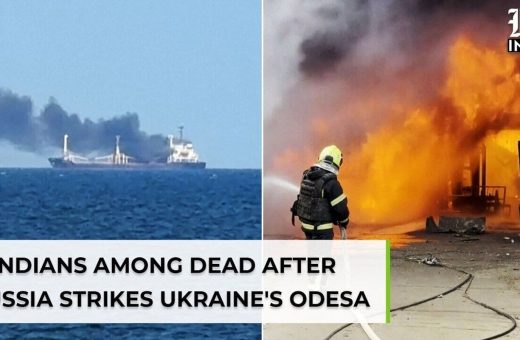
India protests second attack on vessel – India has raised strong concerns over the second attack on a vessel carrying Indian crew, following the recent assault on the MT Jalveer, a ship registered under the flag of Guinea-Bissau. This incident marks a significant escalation in regional tensions, as the conflict in West Asia continues to disrupt maritime safety. The Indian government has reiterated its demand for accountability, emphasizing the need to protect Indian nationals operating in international waters. The attacks have drawn attention to the vulnerability of Indian sailors in the area, with the government urging swift action to prevent further incidents.
“The recent attacks on vessels with Indian crew are a serious threat to maritime security and must be addressed immediately,” said Randhir Jaiswal, a spokesperson for the Ministry of External Affairs (MEA), during a press briefing on Thursday. He added that the situation has prompted India to take a more active stance in diplomatic discussions, seeking assurances from regional powers to ensure the safety of its maritime workforce.
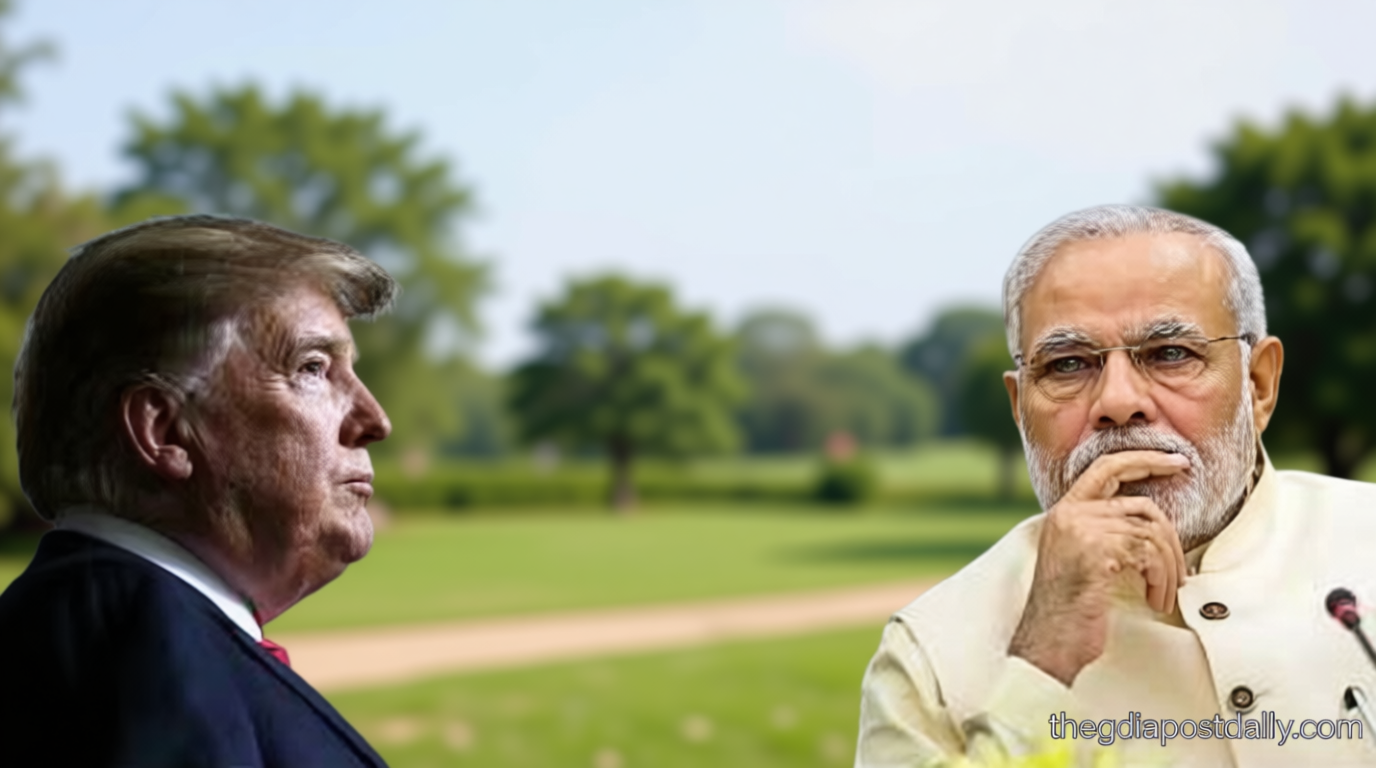
The MEA has been closely monitoring the situation, with Jaiswal noting that the U.S. chargé d’affaires, Jason Meeks, was summoned to Delhi to register India’s formal protest. This diplomatic move underscores the gravity of the attacks, which have not only impacted commercial shipping but also raised fears about the growing instability in the region. India’s response highlights its commitment to safeguarding its interests in West Asia, even as the conflict between Iran and other nations intensifies.
Global Tensions and Maritime Safety Concerns
As the West Asia conflict deepens, the risk to maritime routes has become more pronounced. The attack on the MT Jalveer, which occurred in the Strait of Hormuz, is the second such incident targeting Indian crew members in a short period. The first attack on the Settebello, which killed three Indian sailors, had already drawn sharp criticism from New Delhi. The MEA has since called for increased coordination with international partners to secure shipping lanes and protect Indian nationals from targeted violence.
“India’s seafarers are critical to global trade, and their safety must be a priority. These attacks are not just a threat to our people but also to the stability of international commerce,” Jaiswal emphasized. He pointed to the need for collaborative efforts with the U.S. and Gulf states to establish a secure maritime corridor and prevent further disruptions to trade.
The rising incidents of attacks on vessels with Indian crew have sparked fears of a broader security crisis in the region. With the Strait of Hormuz, a vital shipping chokepoint, facing repeated threats, India is pushing for a unified response from regional stakeholders. The MEA has also highlighted the importance of diplomatic dialogue to ease tensions and prevent further escalations that could endanger thousands of Indian sailors working in the area.
Impact on India’s Economy and Trade
The second attack on a vessel with Indian crew has raised concerns about the economic implications for India. As a major player in global trade, India relies heavily on maritime routes to transport goods, and disruptions in these corridors could have far-reaching effects. The MEA has stressed the need for unimpeded access through the Strait of Hormuz, a key artery for oil and cargo shipments, to maintain the flow of trade and commerce.
“The attacks are not only a humanitarian concern but also an economic one. They threaten the livelihoods of Indian seafarers and could disrupt the country’s supply chain,” said an official from the Department of Trade. The government has been working with international organizations to enhance security measures for vessels operating in the region, including increased patrols and real-time monitoring systems.
In addition to diplomatic efforts, India has been strengthening its naval presence in the region to provide a deterrent against future attacks. The country’s strategic interests in West Asia, particularly in oil trade, have made it a key player in the region’s security dynamics. The attacks have also prompted a reassessment of India’s maritime defense strategies, ensuring that the safety of its vessels and crew remains a top priority.
With the conflict in West Asia showing no signs of abating, the Indian government has urged all parties to take responsibility for the safety of Indian nationals. The MEA has called for an immediate investigation into the attacks, emphasizing that targeted assaults on commercial ships are unacceptable. As the situation evolves, India is likely to continue its diplomatic push to ensure that maritime routes remain secure and that the safety of its crew is guaranteed in the region.