India eyes oil exploration expansion after Middle East war shortages
India's pursuit of enhanced oil exploration has gained momentum in response to the recent supply
India eyes oil exploration expansion after Middle East war shortages
Theindiapostdaily.com – India’s pursuit of enhanced oil exploration has gained momentum in response to the recent supply disruptions caused by Middle East conflicts. As the nation continues to rely heavily on imported crude for its energy needs, the government has prioritized domestic production to reduce dependency and stabilize prices. This strategic shift comes amid global oil market volatility, with the focus keyword India eyes oil exploration expansion now central to the country’s long-term energy security plan.
The Middle East conflict, particularly the restrictions on the Strait of Hormuz, created a significant bottleneck in global oil supply chains, forcing India to diversify its sources. While the temporary agreement between the U.S. and Iran has eased some tensions, allowing shipping to resume, the crisis has highlighted the urgency of expanding India’s oil reserves. The country has since taken decisive steps to reverse previous price hikes and supply constraints by exploring new regions and strengthening partnerships beyond traditional suppliers.
Strategic Expansion into New Frontiers
India’s current oil production is concentrated in regions like Mumbai High, Rajasthan, Gujarat, and Assam, but the government is now targeting underdeveloped areas to meet growing demand. The oil minister has emphasized the Andaman and Nicobar Islands as a key opportunity, with plans to bid for approximately 250,000 square kilometers of unexplored territory. This move is part of a broader initiative to tap into deepwater reserves, which could significantly boost domestic output and reduce reliance on imports.
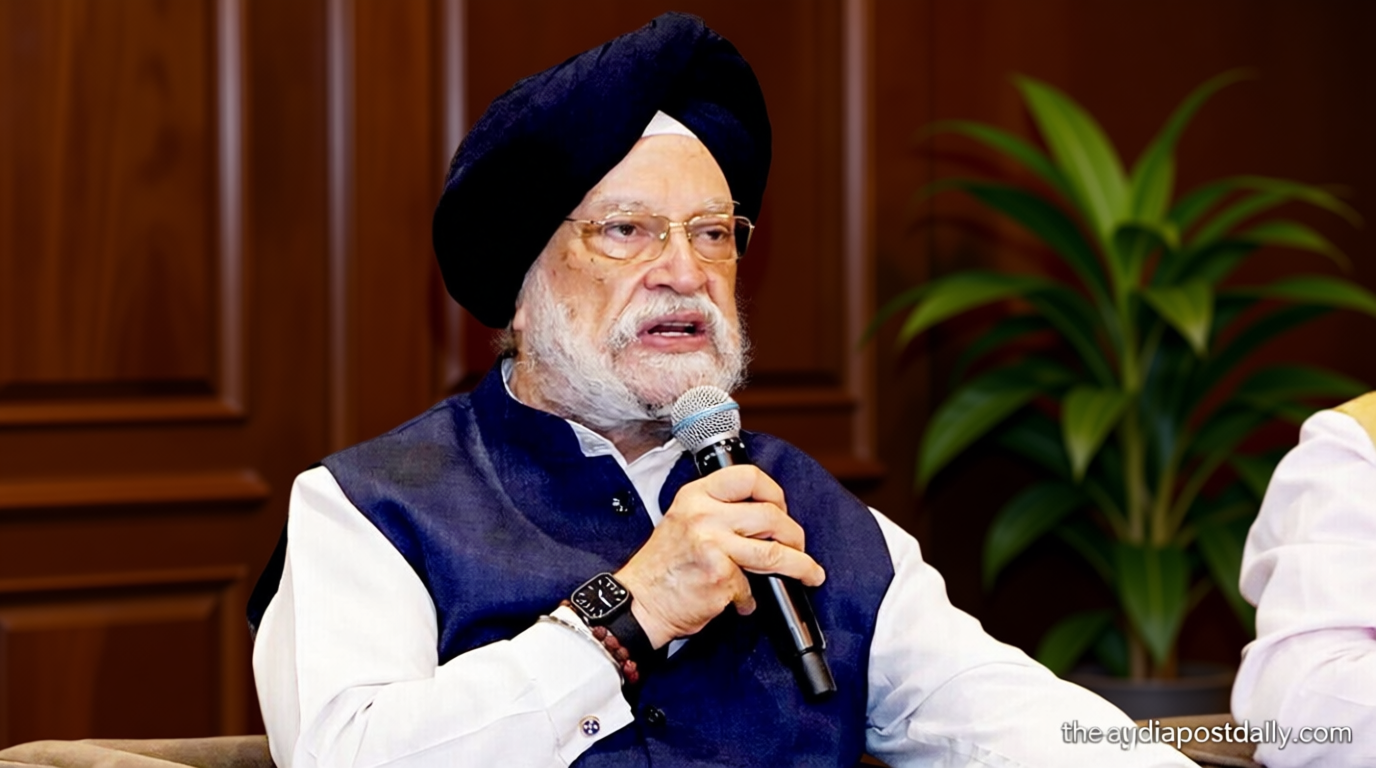
“We are currently in the process of identifying and bidding for about 250,000 square kilometers of unexplored area to expand India’s oil exploration,” Puri stated in an interview with AFP. “This is a critical step in ensuring energy self-sufficiency and mitigating future risks from global supply shocks.”
The Andaman Basin, which spans over 800 kilometers, is considered a geologically promising region due to its resemblance to Southeast Asian oil fields. Recent exploratory drilling in the Andaman Sea by Oil India has already yielded positive results, with visible gas flares from newly discovered reserves. These findings have fueled optimism about the potential for large-scale extraction in the coming years, aligning with the focus keyword India eyes oil exploration expansion as a cornerstone of national energy policy.
Global Supply Chain Vulnerabilities
The Middle East war shortages have exposed India’s vulnerability to geopolitical fluctuations, prompting a shift in strategy. The oil minister noted that the crisis led to a temporary surge in prices and a decline in supply, which in turn accelerated efforts to expand exploration. By diversifying its supplier network—from 27 to 41 countries—India has sought to hedge against future disruptions. This includes increased imports from Iran and Venezuela, as well as expanded cooperation with Russia and African nations.
“The Middle East conflict has underscored the need for India to become more self-reliant in oil exploration. Expanding our domestic capacity is not just about meeting demand; it’s about ensuring long-term energy security in an unpredictable global market,” Puri remarked in a recent policy briefing.
Despite the temporary resolution of the Hormuz crisis, the incident has reinforced the importance of the focus keyword India eyes oil exploration expansion. The government has since allocated $10 billion to a dedicated program, signaling a commitment to both exploration and infrastructure development. This investment is expected to create a ripple effect, stimulating job creation and technological innovation in the sector.
India’s energy demand is projected to grow rapidly, with current consumption reaching around 5.6 million barrels per day and forecasts suggesting it will surpass 6 million by 2026. The push for oil exploration expansion is therefore not only a response to immediate supply issues but also a long-term strategy to support the country’s economic growth and industrialization. This aligns with Prime Minister Narendra Modi’s “Samudra Manthan” initiative, which aims to unlock underwater oil and gas reserves through mission-mode operations.
“We want to work in a mission mode towards finding oil reserves, gas reserves under the sea, and hence India is going to start the National Deep Water Exploration Mission,” Modi declared during his Independence Day speech in August 2025. “This is a transformative step for our energy future.”
The government’s dual focus on expanding domestic production and investing in renewable energy sources reflects a balanced approach to achieving carbon neutrality by 2070. While the focus keyword India eyes oil exploration expansion remains vital for immediate energy stability, long-term goals include diversifying the energy mix to include solar, wind, and nuclear power. This strategic vision ensures that India can maintain economic momentum without compromising its environmental commitments.