India, China agree to use diplomatic, military channels ‘to resolve’ LAC, border issues; MEA shares details
India China agree to use diplomatic and military channels to resolve border issues, as confirmed by the Ministry of External Affairs following the 36th
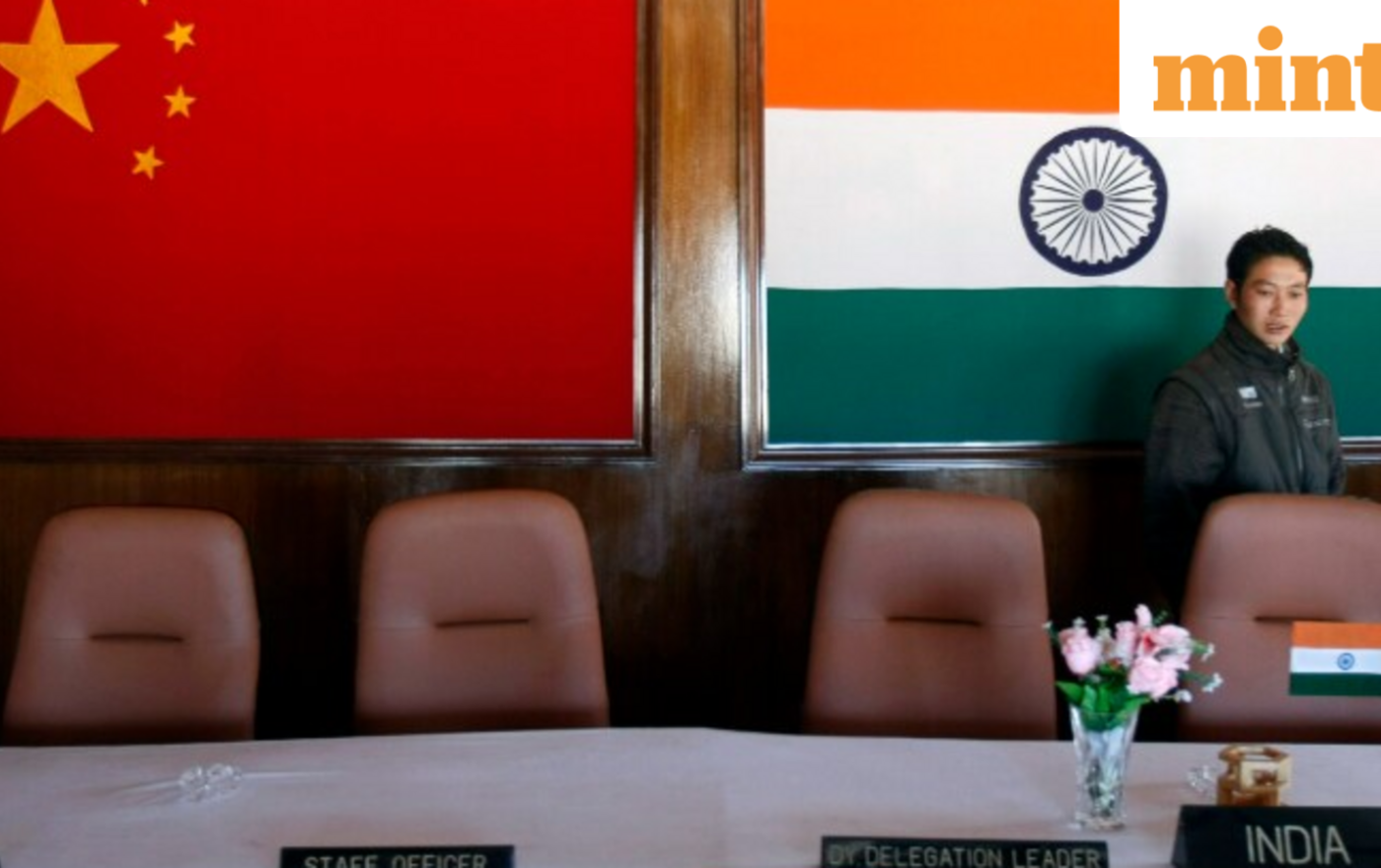
India China Agree to Use Diplomatic Channels for LAC Resolution
Theindiapostdaily.com – India China agree to use diplomatic and military channels to resolve border issues, as confirmed by the Ministry of External Affairs following the 36th session of the Working Mechanism for Consultation and Coordination on India‑China Border Affairs. The meeting took place in New Delhi on Thursday, August 6, where both nations thoroughly examined conditions along the Line of Actual Control. Sujit Ghosh, Joint Secretary for East Asia within the MEA, led the Indian delegation, while Hou Yanqi, Director General in the Boundary and Oceanic Affairs Department, headed the Chinese contingent.
Strengthening Bilateral Communication
According to official statements from the Ministry of External Affairs, participants engaged in candid dialogue while assessing current circumstances at the border. Maintaining serenity in frontier zones was highlighted as crucial for strengthening overall bilateral ties between the two countries. Both sides recognized the importance of structured communication to prevent escalation and ensure peaceful resolution of differences.
Both sides agreed to continue utilizing existing diplomatic and military channels, including the WMCC, local commander-level meetings and other agreed mechanisms, to resolve outstanding issues and avoid misunderstanding and miscalculation along the LAC.
Additionally, India stressed the urgency of organizing the subsequent Expert Level Mechanism gathering focused on trans-border rivers. The ministry emphasized that sharing comprehensive technical information concerning China’s upstream initiatives remains vital for regional cooperation. This mechanism will help address water-sharing concerns and promote sustainable development in border regions.
Building on Previous Agreements
Building upon conclusions reached during last year’s 24th Special Representatives round, detailed conversations covered boundary delimitation matters, border administration, institutional development, and cross-border collaboration. The Indian delegation specifically called for prompt scheduling of the river mechanism meeting to ensure timely progress on water-related issues.
Earlier this year, the 35th WMCC convened in Beijing during May, where participants characterized their deliberations as constructive and forward-looking according to ANI reports. Both delegations expressed contentment with advancements in preserving peace and tranquility throughout the border region. These meetings have become increasingly important as both nations seek to manage their relationship effectively.
Historical Framework and Future Directions
In August 2025, the 24th iteration of the India-China Special Representatives dialogue addressed measures for sustaining border calmness while progressing toward boundary resolution. During Chinese Foreign Minister Wang Yi’s visit to India, National Security Advisor Ajit Doval and Wang Yi concurred on evaluating the boundary question through the lens of comprehensive bilateral relations.
The leaders committed to developing a fair, reasonable, and mutually acceptable settlement framework aligned with the 2005 Agreement on Political Parameters and Guiding Principles. Furthermore, they agreed to form an Expert Group under the WMCC for exploring rapid progress in boundary delimitation, establish a Working Group for enhanced border management, and introduce additional General Level Mechanisms across eastern and middle sectors.
The two sides had also agreed to establish an Expert Group under the WMCC to explore early progress in boundary delimitation, set up a Working Group to improve border management, create additional General Level Mechanisms in the eastern and middle sectors, and continue using diplomatic and military channels to address border-related issues.
Looking Ahead: Implementation and Monitoring
The Ministry of External Affairs confirmed that both nations remain dedicated to sustaining dialogue through established mechanisms to guarantee stability and prevent misunderstandings along the LAC. Regular monitoring of implementation will ensure that agreed-upon measures translate into tangible outcomes on the ground.
Both countries have also committed to enhancing communication protocols at various levels, from local commanders to senior diplomatic officials. This multi-tiered approach aims to address issues at the appropriate level and prevent minor disagreements from escalating into larger disputes.
FAQ: Understanding the India-China Border Framework
What is the WMCC and why is it important? The Working Mechanism for Consultation and Coordination on India‑China Border Affairs serves as the primary platform for addressing border issues. It facilitates regular dialogue between both nations to maintain peace and resolve differences.
How many times has the WMCC met so far? The 36th session was held in New Delhi on August 6, making it the latest in a series of meetings that have been crucial for bilateral relations.
What are the main mechanisms for border resolution? Key mechanisms include the WMCC, local commander-level meetings, Expert Level Mechanism for trans-border rivers, and Special Representatives dialogue.
When was the last WMCC meeting before the August session? The 35th WMCC convened in Beijing during May earlier this year, where both sides found their discussions constructive and forward-looking.
What role does the 2005 Agreement play in current discussions? The 2005 Agreement on Political Parameters and Guiding Principles provides the foundational framework for developing a fair and mutually acceptable settlement for border issues.