India aims to attract 10 trillion yen in Japanese investment: Modi
India-Japan Economic Collaboration and Strategic Goals Theindiapostdaily.com – During the recent India-Japan Annual Summit, Prime Minister Narendra Modi emphasized the nation’s ambition to secure 10 trillion yen in Japanese investments…
India-Japan Economic Collaboration and Strategic Goals
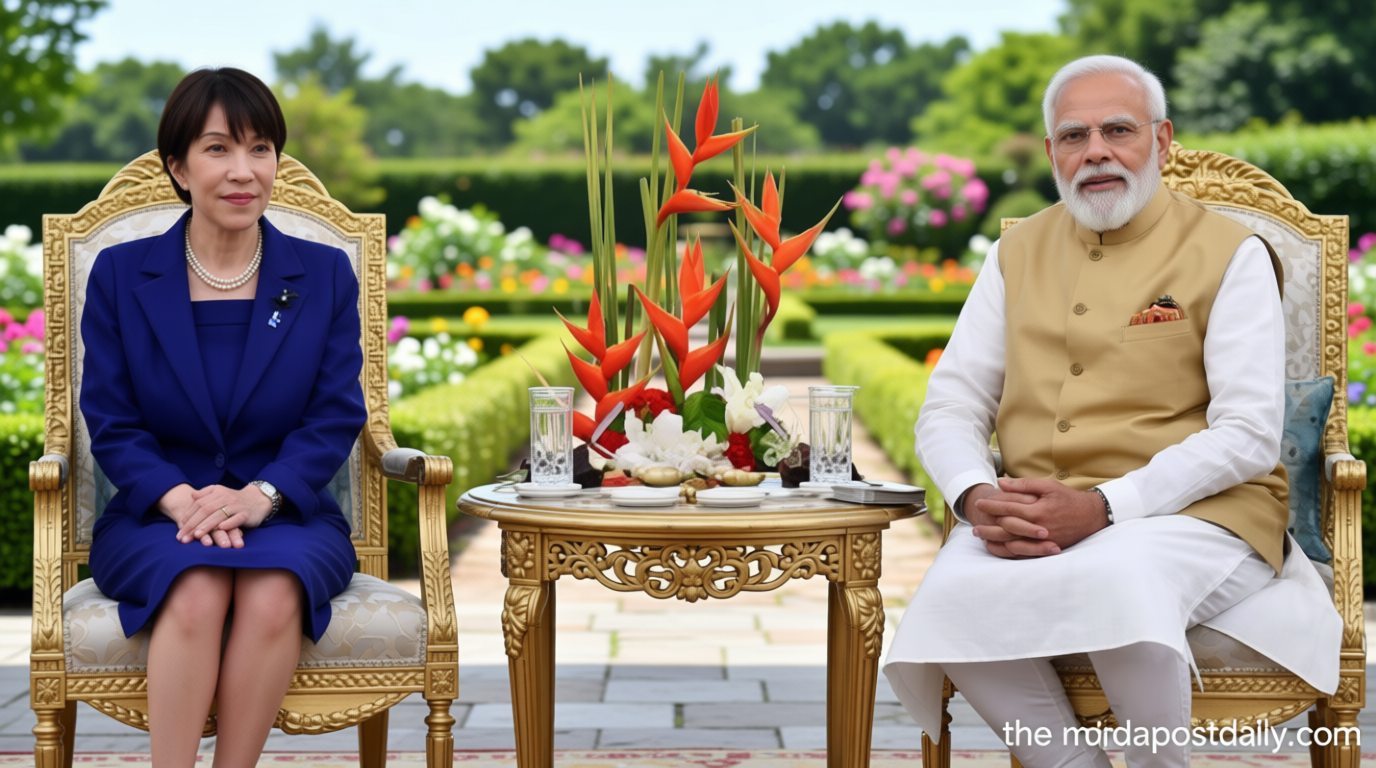
Theindiapostdaily.com – During the recent India-Japan Annual Summit, Prime Minister Narendra Modi emphasized the nation’s ambition to secure 10 trillion yen in Japanese investments over the next decade. This target aims to enhance India’s economic growth while expanding the presence of Japanese firms in the country, with the number of such companies expected to more than double. The summit marked a significant step in deepening the strategic and economic ties between the two nations, as outlined in their joint press statement.
Bilateral Investment Momentum
Modi noted that over the past year, more than 100 new business agreements had been finalized, projected to attract over $10 billion in Japanese capital. A key initiative involves a collaboration between India’s and Japan’s financial institutions to streamline capital flows, supported by India’s ongoing reforms to improve business facilitation. These efforts are anticipated to create more opportunities for Japanese enterprises to establish operations in India.
“Our economies are complementary, our values are aligned, and above all, our relationship is founded on unwavering mutual trust,” Modi stated, expressing optimism about the partnership’s role in advancing India’s development, Japan’s strength, and global prosperity.
Technology and AI Focus
Technology emerged as a central theme of the summit, with India and Japan releasing a joint statement on artificial intelligence (AI). Prominent institutions from both countries signed memorandums of understanding to bolster collaboration in this field. Modi highlighted the synergy between Japan’s precision engineering expertise and India’s software innovation, which could accelerate global AI advancements.
Defense Cooperation Expansion
In the defense domain, a landmark agreement was signed for the co-development of a Naval Radio Antenna, signaling a new era in bilateral military technology collaboration. Modi stated that joint defense initiatives would enhance regional peace, maritime security, and uphold a rules-based international order. Additionally, the two nations endorsed a Joint Roadmap on Economic Security to fortify supply chain resilience in sectors like semiconductors, quantum technologies, and advanced materials.
Energy and Sustainability Initiatives
The leaders also launched the India-Japan Bio-gas Initiative, which will support the creation of 1,000 biogas and organic fertilizer facilities. This aligns with India’s GOBARdhan program, aiming to boost sustainability and rural development. Expanding cooperation in batteries, green hydrogen, and nuclear energy was also prioritized to aid the transition to cleaner power sources.
Next Generation Mobility and Talent Exchange
A new framework for Next Generation Mobility was unveiled, focusing on collaboration beyond the automotive industry into shipbuilding, aviation, and logistics. Modi also stressed the importance of strengthening talent mobility, skill development, and technical internship programs, alongside fostering research and startup ecosystems. The nations plan to celebrate their 75th anniversary of diplomatic relations next year through enhanced cultural and creative sector exchanges.
Trade and Investment Statistics
Bilateral trade between India and Japan reached $27.5 billion in fiscal year 2025-26, while Japanese investments in India totaled $3.2 billion from April to December 2025, according to Indian government data. Japan remains a major investor, funding infrastructure projects like the Mumbai-Ahmedabad high-speed rail and increasing stakes in Indian firms, such as a $1.6 billion acquisition of a 20% Yes Bank share.
“This is historic given the change in nature of Japan’s financial commitments, shifting from risk-averse loans and liberal infrastructure financing to direct investments in defense, critical minerals, semiconductors, automobiles, and electronics,” remarked Ram Singh, professor at the Indian Institute of Foreign Trade. He added that the Yen-Rupee settlement agreement solidifies the nations’ geo-economic partnership.
As the summit concluded, both countries reaffirmed their commitment to collaborative growth, addressing shared challenges in the Indo-Pacific and fostering inclusive economic development through cross-sectoral initiatives.