Govt will support manufacturing of cell components in India: heavy industries minister Kumaraswamy
The Indian government is set to bolster the production of cell components within the country, as
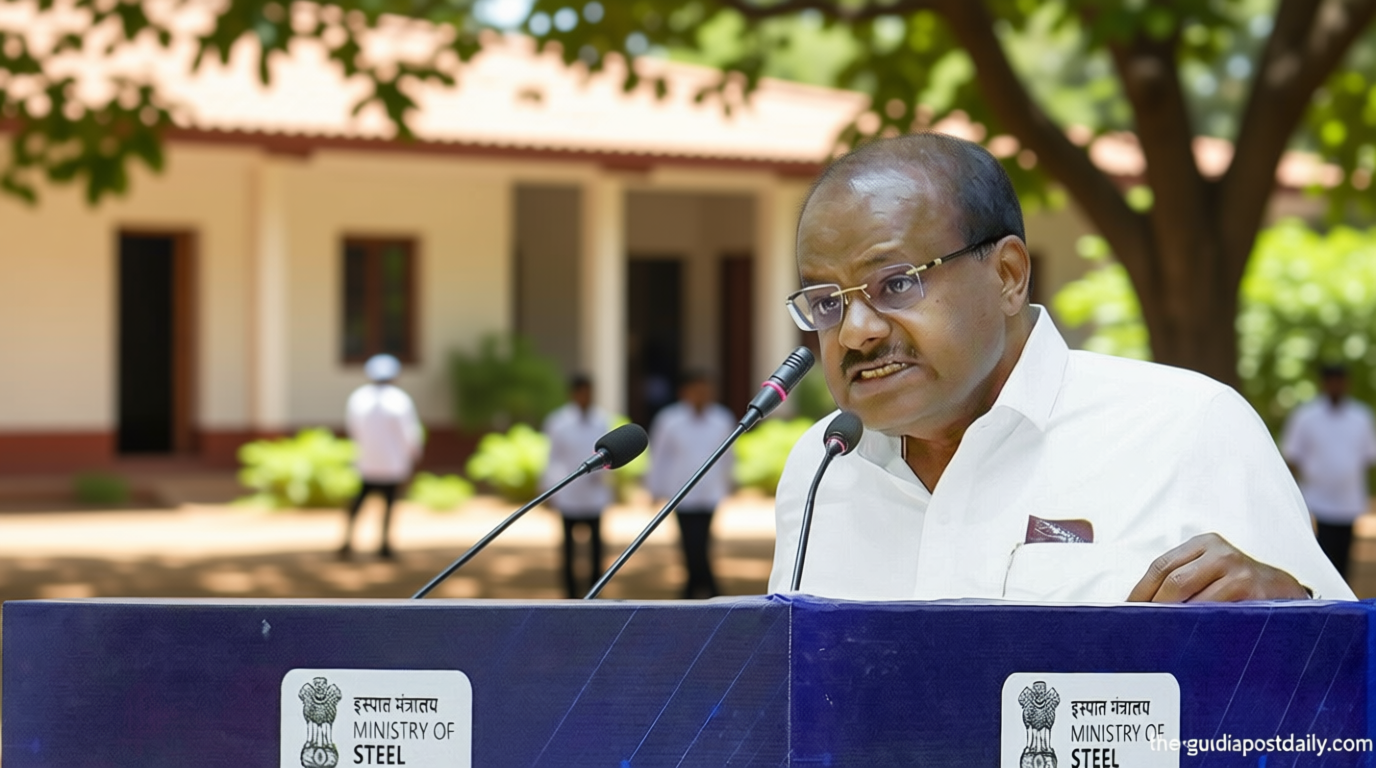
India’s Government Aims to Strengthen Cell Component Manufacturing
Theindiapostdaily.com – The Indian government is set to bolster the production of cell components within the country, as stated by Union Heavy Industries Minister H. D. Kumaraswamy. In a recent press statement, Kumaraswamy highlighted the need to establish a robust domestic supply chain for advanced chemistry cell (ACC) components, emphasizing the strategic role of this initiative in overcoming global supply chain challenges. The focus keyword, “govt will support manufacturing of cell,” is central to the government’s efforts to position India as a key player in the global battery industry.
Building a Self-Sufficient Battery Ecosystem
Kumaraswamy reiterated that while the government can provide the necessary policy framework and incentives, the success of this mission depends on collaborative efforts across sectors. “Industry, research organizations, and stakeholders must work in tandem to create a self-reliant domestic ACC ecosystem,” he said, underscoring the importance of shared goals. This includes fostering partnerships between manufacturers and suppliers to ensure consistent material availability and technological innovation.
“Our objective is to ensure that the manufacturing of cell components becomes a cornerstone of India’s industrial growth. This requires not only policy support but also a unified approach to address bottlenecks in the supply chain.”
Strategic Importance of Localizing Battery Production
The minister stressed that localizing battery technology is critical for India’s energy transition. As the nation aims to achieve net-zero carbon emissions by 2070, developing full capabilities across the battery value chain is a priority. This includes reducing reliance on imported materials like lithium iron phosphate (LFP), anodes, and electrolytes, which are essential for advanced cell manufacturing. Kumaraswamy also pointed out that India’s current domestic production capacity for these components remains limited, with only 20-25% of the supply chain localized.
Projected Demand and Supply Challenges
India’s demand for battery cells is expected to grow significantly, reaching 196 GWh by 2030 and surpassing 236 GWh by 2032. This surge is driven by the rapid adoption of electric vehicles, grid-scale energy storage systems, and data centers. However, the nation faces challenges in meeting this demand, as current production of key materials such as LFP is just 5,775 tonnes annually, while projected needs could reach 472,000 tonnes by 2032. Separators and copper foil manufacturing are also lagging, creating bottlenecks in the cell production process.
“The government’s support for cell manufacturing will ensure that India meets its energy transition targets while reducing dependency on foreign imports. This is a long-term strategy that requires sustained investment and innovation.”
Government Incentives and Capacity Expansion
The government has allocated ₹18,100 crores to incentivize 50 GWh of cell manufacturing capacity. This initiative is expected to attract major players such as Ola Electric, Rajesh Exports, and Reliance Industries to lead the production of critical components. Kumaraswamy noted that discussions over the past two months have centered on whether incentives should target capital expenditures or operational costs. The minister also outlined the potential for scaling up domestic production to align with future demand, ensuring that India can meet its growing energy needs without compromising on quality or sustainability.
Industry Collaboration and Future Goals
Industry leaders and experts have been engaged in consultations to identify gaps and opportunities in the ACC supply chain. Kumaraswamy highlighted that the government is committed to creating an environment where private sector participation can thrive. “By investing in cell manufacturing, we can create jobs, stimulate economic growth, and reduce energy import bills,” he added. The minister also mentioned that the plan includes fostering innovation in battery technology, which could position India as a competitive player in the global market. This effort is part of a broader strategy to enhance self-sufficiency in critical sectors.
Challenges and Pathways Forward
Despite progress, the localization of cell components faces hurdles such as high initial capital costs, reliance on imported machinery, and energy consumption issues. Kumaraswamy acknowledged these challenges but expressed confidence in the government’s ability to address them through targeted policies and financial support. The focus keyword, “govt will support manufacturing of cell,” is reiterated in the scheme’s framework, which includes incentives for both infrastructure development and research in advanced battery technologies. With continued collaboration, the minister believes India can achieve its goal of a fully integrated and competitive cell manufacturing industry by the mid-2030s.