Govt reviews zero-percentile NEET-PG rule amid quality concerns
Govt Reviews Zero Percentile NEET-PG Rule Amid Quality Concerns Theindiapostdaily.com – The Indian government is set to reassess the zero percentile NEET-PG rule, a policy that has sparked debate over…
Govt Reviews Zero Percentile NEET-PG Rule Amid Quality Concerns
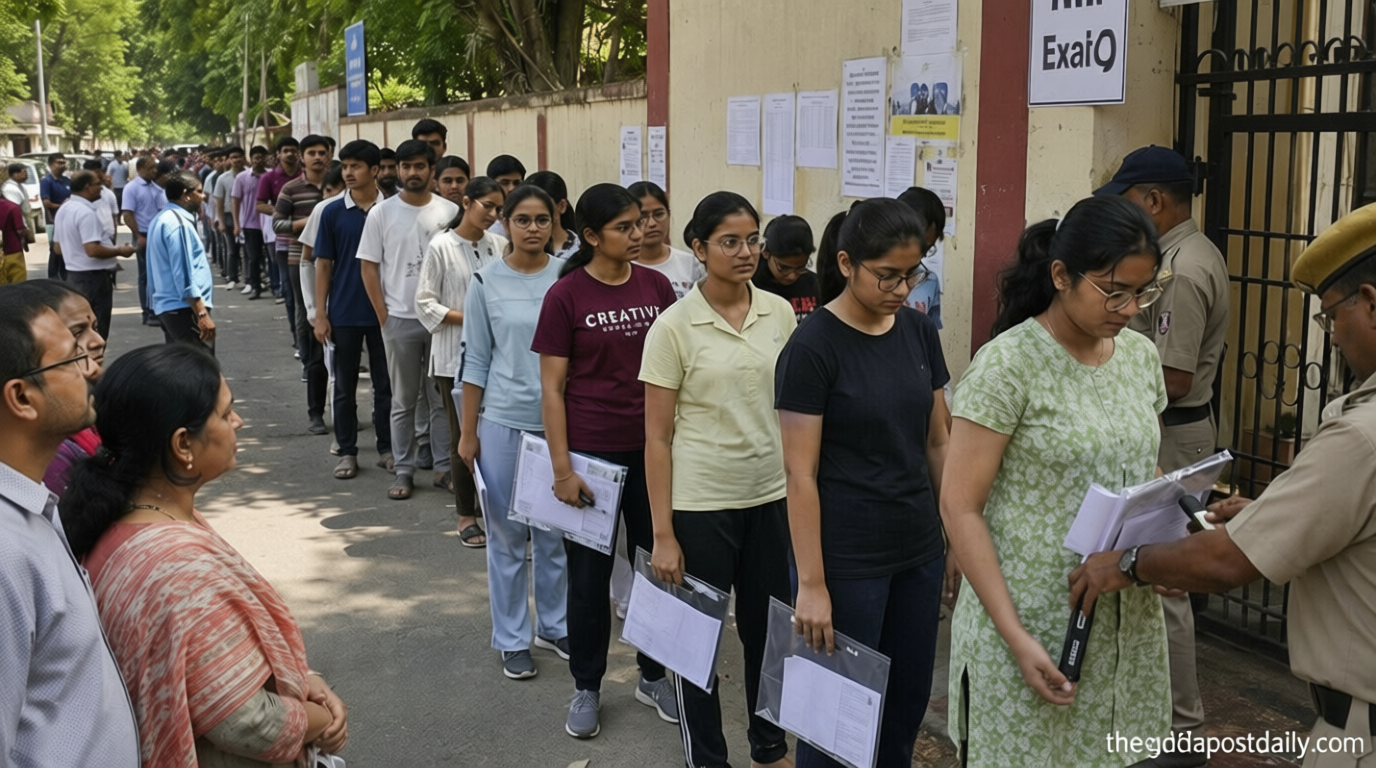
Theindiapostdaily.com – The Indian government is set to reassess the zero percentile NEET-PG rule, a policy that has sparked debate over the quality of medical candidates entering postgraduate programs. This decision comes as officials in New Delhi examine the eligibility criteria for medical admissions, which currently allows 85,839 seats to be filled by applicants scoring zero marks in the NEET-PG exam. While the rule was introduced to address unfilled seats and ensure smooth admissions, recent discussions suggest a shift toward prioritizing professional competence over sheer seat availability.
Understanding the Zero-Percentile Rule
Implemented in 2024, the zero percentile threshold enabled candidates with no marks to secure medical PG seats, effectively eliminating vacancies. The policy aimed to provide a safety net for applicants who might have been left out due to lower scores, ensuring that every available seat in postgraduate medical programs was occupied. However, critics argue that this approach may compromise the standards of medical education by admitting students without demonstrating sufficient academic preparation.
Officials have pointed out that the zero percentile rule, while efficient, has led to concerns about the readiness of some candidates. “We are concerned that allowing zero marks to qualify may not reflect the true capability of students entering the field,” said a government source. This sentiment reflects a broader debate about balancing accessibility with academic rigor in medical education. The policy has also drawn attention to the role of the National Testing Agency (NTA) in managing the NEET-PG exam and its impact on the selection process.
Implications for Medical Education
The potential revision of the zero percentile NEET-PG rule could mark a significant turning point for medical admissions in India. With the government exploring adjustments to the eligibility criteria, there is growing anticipation about how this might affect the quality of candidates entering postgraduate programs. Medical professionals and educators are closely monitoring the developments, as the rule has been a point of contention for its influence on the selection process and the overall standards of the profession.
Experts highlight that while the zero percentile policy ensures no vacancies, it may also allow less prepared students to compete for specialized seats. “This could lead to a dilution of standards, especially in competitive fields like surgery and internal medicine,” remarked a senior education official. The policy’s impact is being weighed against the need for equitable access to education, with some advocating for a hybrid model that combines both merit-based and seat-filling criteria.
As the review progresses, stakeholders are calling for a more nuanced approach to the NEET-PG admissions process. The focus keyword, “Govt reviews zero percentile NEET PG rule,” will likely be central to discussions as the government considers changes that could improve the quality of medical candidates. This includes revisiting the threshold for admission and incorporating additional assessments to evaluate a student’s readiness for postgraduate studies.
Analysts also emphasize the importance of transparency in the decision-making process. “It’s crucial that any adjustments to the zero percentile rule are based on data-driven insights and stakeholder feedback,” noted a policy researcher. The government’s review is expected to involve consultations with medical colleges, students, and experts to ensure that the new criteria strike a balance between accessibility and academic excellence. This may include revising the cutoff rules or introducing alternative mechanisms to gauge candidates’ abilities beyond just exam scores.