Govt eyes more accurate weighing standards for trade
The Indian government is taking significant steps to enhance measurement accuracy in trade by
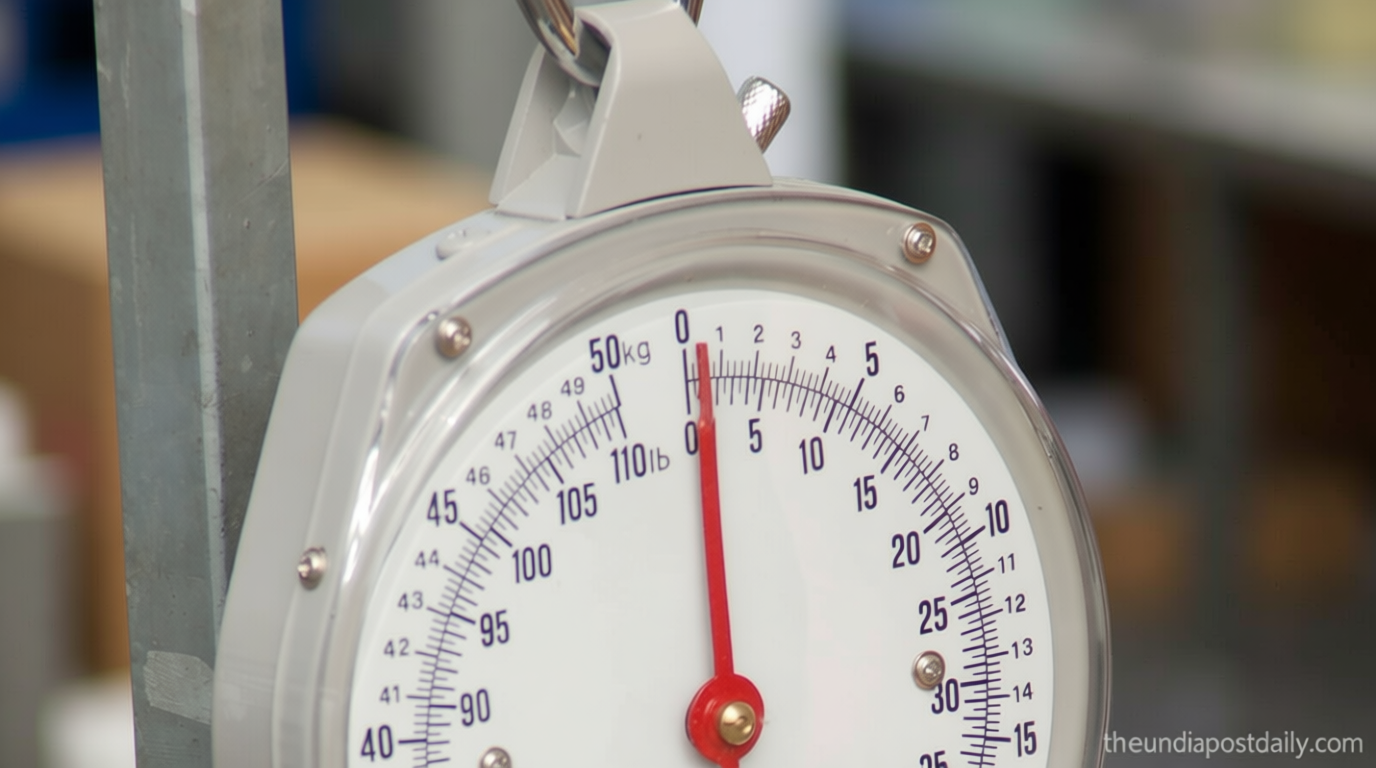
Govt eyes more accurate weighing standards for trade
Theindiapostdaily.com – The Indian government is taking significant steps to enhance measurement accuracy in trade by introducing E1- and E2-class reference weights. These precision tools, developed under the Department of Consumer Affairs, are designed to replace the existing less accurate standards, ensuring greater consistency and reliability in commercial transactions. By aligning with global benchmarks, the initiative aims to reduce errors in weighing goods such as food items, fuels, and precious metals, thereby fostering consumer confidence and promoting fair trade practices. The move is part of a broader effort to modernize India’s legal metrology framework, which plays a crucial role in maintaining the integrity of market activities. As officials emphasize, the focus keyword “Govt eyes more accurate weighing” is central to this reform, which could have far-reaching implications for trade efficiency and economic transparency.
Why Accurate Weighing Matters
Accurate weighing is a cornerstone of fair trade, as it directly impacts the trust between buyers and sellers. In India, where markets are often crowded and transactions can be quick, even minor discrepancies in measurements can lead to significant losses for consumers. The E1 and E2 reference weights are engineered to achieve an accuracy level of ±0.001 grams and ±0.01 grams, respectively, which is a substantial improvement over the current standards. This level of precision is particularly vital for commodities like rice, which are sold by weight in bulk, and gold, where small differences in measurement can affect the price by thousands of rupees. By adopting these ultra-precise weights, the government hopes to create a more transparent and equitable environment for all stakeholders in the trade ecosystem.
Moreover, the implementation of E1 and E2 reference weights is expected to address long-standing issues in the measurement system. According to industry experts, the existing weights have been prone to wear and tear, leading to inconsistencies that undermine consumer trust. For instance, in markets where vendors rely on outdated scales, the risk of overcharging or undercharging customers is higher. The new standards will not only improve accuracy but also enable better enforcement of trade regulations. This could be especially beneficial in sectors like retail and logistics, where precise measurements are essential for inventory management and customer satisfaction. The government’s commitment to upgrading these standards underscores the importance of “Govt eyes more accurate weighing” as a strategic priority for economic growth and consumer protection.
Challenges and Opportunities
While the introduction of E1 and E2 reference weights presents a promising solution, the transition is not without challenges. One major hurdle is the widespread use of outdated weighing equipment in many parts of the country. Upgrading to the new standards will require both financial investment and training for traders and officials. Additionally, ensuring uniform implementation across states and districts is critical to avoiding disparities in measurement accuracy. Officials have acknowledged the need for a phased approach, starting with high-traffic markets and expanding to smaller towns and rural areas. This strategy aims to balance the demand for immediate results with the practicalities of nationwide adoption. The “Govt eyes more accurate weighing” initiative also opens opportunities for collaboration with international organizations, such as the Bureau International des Poids et Mesures (BIPM), to align with global best practices.
Another key aspect of this reform is its potential to streamline trade processes and reduce disputes. For example, in the petroleum sector, where petrol is sold by volume, precise measurements are essential to ensure that consumers pay the correct amount. Similarly, in the agricultural sector, accurate weighing of grains like wheat and rice can prevent losses during transportation and storage. The new standards will also support the digitalization of trade by providing a reliable baseline for automated weighing systems, which are increasingly being adopted in urban markets. By prioritizing “Govt eyes more accurate weighing,” the government is signaling a commitment to modernizing India’s trade infrastructure and making it more resilient to fraud and inefficiencies.
The initiative has been welcomed by industry bodies and consumer rights groups, who see it as a positive step toward transparency. For instance, the All India Consumer Association has praised the move, stating that it will empower citizens by ensuring they receive the exact quantity they pay for. However, some traders have raised concerns about the initial costs of upgrading equipment and the need for clear guidelines to avoid confusion. To address these concerns, the government has announced plans to provide subsidies and training programs for small-scale vendors. This proactive approach aims to make the transition smoother and ensure that the benefits of “Govt eyes more accurate weighing” are accessible to all segments of the market.
Future Implications and Broader Impact
Looking ahead, the integration of E1 and E2 reference weights into India’s legal metrology system could have far-reaching implications beyond trade. It may also influence other sectors that rely on precise measurements, such as pharmaceuticals, where even minor variations can affect product quality. Furthermore, the reforms are expected to support India’s goal of becoming a global manufacturing hub by ensuring that trade measurements meet international standards, which is crucial for exporting goods. The government’s focus on “Govt eyes more accurate weighing” reflects its understanding that accurate measurements are not just a technical requirement but a vital component of economic stability and consumer rights. As the implementation progresses, it will be essential to monitor its effectiveness and make necessary adjustments to maximize its impact on trade fairness and accuracy.
Consumer advocates have highlighted that the new standards will also enhance accountability among traders. By using reference weights that are traceable to international standards, vendors will be required to maintain consistent accuracy in their measurements, reducing the scope for manipulation. This could lead to a noticeable improvement in market confidence and encourage more people to engage in trade without fear of unfair practices. The long-term benefits of this reform are expected to extend to both urban and rural economies, as accurate weighing ensures that even small-scale transactions are conducted with fairness and transparency. As the government continues to refine its approach, the focus keyword “Govt eyes more accurate weighing” will remain at the forefront of its efforts to build a more reliable and equitable trade environment.