‘God save us all if…’: Delhi HC slams govt over plan to take over ‘little green space’ in Gymkhana club, Polo Grounds
Delhi High Court Condemns Government's Move to Seize 'God Save Us All If' Green Spaces Sharp Legal Reprimand on Urban Development Plans God save us all if
Delhi High Court Condemns Government’s Move to Seize ‘God Save Us All If’ Green Spaces
Sharp Legal Reprimand on Urban Development Plans
Theindiapostdaily.com – Delhi’s High Court has issued a pointed reprimand to the central government for its proposal to reclaim ‘little green space’ in iconic locations like the Delhi Gymkhana Club and the Polo Grounds, echoing the phrase “God save us all if” to underscore the urgency of the matter. The court expressed deep concern over the potential loss of these verdant areas, which have long been cherished as vital green lungs for the national capital. The decision comes amid rising debates about the balance between urban expansion and preserving historical and environmental landmarks.
Legal Battle Over Heritage Sites
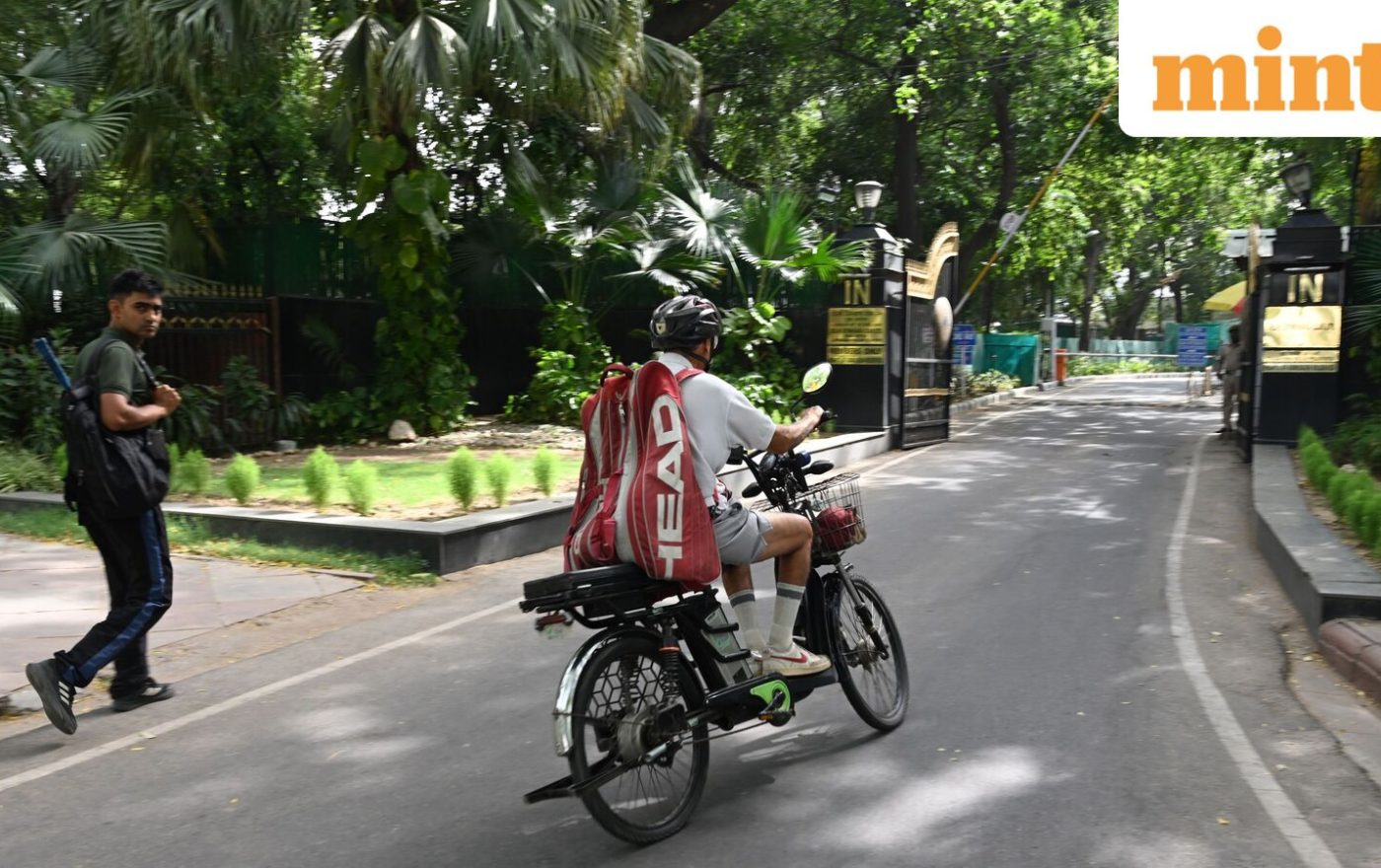
The Indian Polo Association launched a legal challenge after receiving an eviction notice for the Jaipur Polo Ground, a site of immense cultural and historical value. This 15.20-acre land, strategically located near the Prime Minister’s residence, has been a cornerstone of Delhi’s sporting heritage for over a century. The association argued for a temporary stay on the eviction process under the Public Premises (Eviction of Unauthorised Occupants) Act, 1971, emphasizing its role in maintaining the city’s green spaces. However, the district judge failed to address the urgent stay application before the June 3 hearing, deferring the decision to a later date.
“We are going to suffocate and die,” the court remarked during proceedings, highlighting the existential threat posed by the government’s plans. This warning, as reported by Bar and Bench, reflects the judiciary’s alarm over the diminishing availability of green areas in Delhi. The judges stressed that the shrinking of such spaces would not only impact the environment but also the quality of life for residents, raising fears of a “God save us all if” scenario where the city becomes increasingly inhospitable.
Heritage and Public Interest at Stake
Justice Neena Bansal Krishna questioned the government’s rationale for converting these areas into high-rise developments, challenging whether the move aligns with public interest. “What are you going to make Delhi into? Delhi people go to chhota-mota mountain and stay there,” she quipped, underscoring the irreplaceable role of green spaces as natural sanctuaries. The court also highlighted the lack of thorough justification for the rapid land acquisition, noting that the government had not clearly outlined the necessity of the project.
The legal battle has sparked broader discussions about the preservation of heritage sites. Critics argue that the government’s aggressive expansion plans risk erasing centuries-old landmarks, which serve as both cultural symbols and ecological assets. The Delhi Gymkhana Club, for instance, has been a hub for social and recreational activities, while the Polo Grounds remain a focal point for sports and community gatherings. Losing these spaces could lead to a fragmented urban landscape, with residents lamenting the loss of communal areas that foster connectivity and well-being.
Government’s Defense of Urban Projects
In response, the government defended its decision, asserting that the land was essential for public and defense-related functions. Ashish Dixit, representing the central authorities, stated that the area’s limited size justified its use for “urgent institutional needs, governance infrastructure, and public-interest projects.” He claimed the integration of adjacent government properties would create a cohesive urban development zone, addressing the growing demand for space in the city. Yet, the court urged a review of the stay application, scheduled for June 10, while pressing the government to reconsider its approach to heritage preservation.
Historical Significance and Future Implications
The Jaipur Polo Ground, established in 1892, has long been a symbol of Delhi’s rich sporting tradition. As a registered society under the Societies Registration Act, the Indian Polo Association has maintained its operations for generations, with the Polo Grounds serving as a cultural and recreational landmark. The proposed seizure threatens not only the physical space but also the legacy of these institutions, which have played a pivotal role in shaping the city’s identity. The phrase “God save us all if” now resonates deeply with stakeholders, who fear the irreversible consequences of losing these cherished areas.
The court’s intervention highlights the critical need for sustainable urban planning. With Delhi’s population growing rapidly, the challenge lies in accommodating development without compromising its green spaces. The case has become a rallying point for environmental advocates, who argue that such areas are indispensable for mitigating pollution, providing recreational opportunities, and maintaining biodiversity. As the legal proceedings continue, the outcome may set a precedent for how future urban projects balance progress with the preservation of Delhi’s unique heritage and natural resources.