E20 row: Arvind Kejriwal interacts with people on Delhi streets to understand impact, says ‘Everyone is distressed’
E20 Row: Kejriwal Engages Delhi Residents on Fuel Impact Public Concerns Over E20 Petrol Theindiapostdaily.com – Arvind Kejriwal, the former Delhi Chief Minister and Aam Aadmi Party (AAP) national convenor,…
E20 Row: Kejriwal Engages Delhi Residents on Fuel Impact
Public Concerns Over E20 Petrol
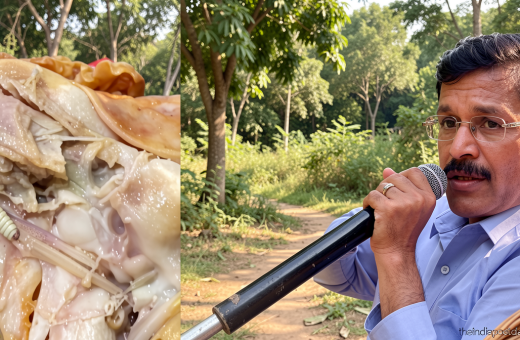
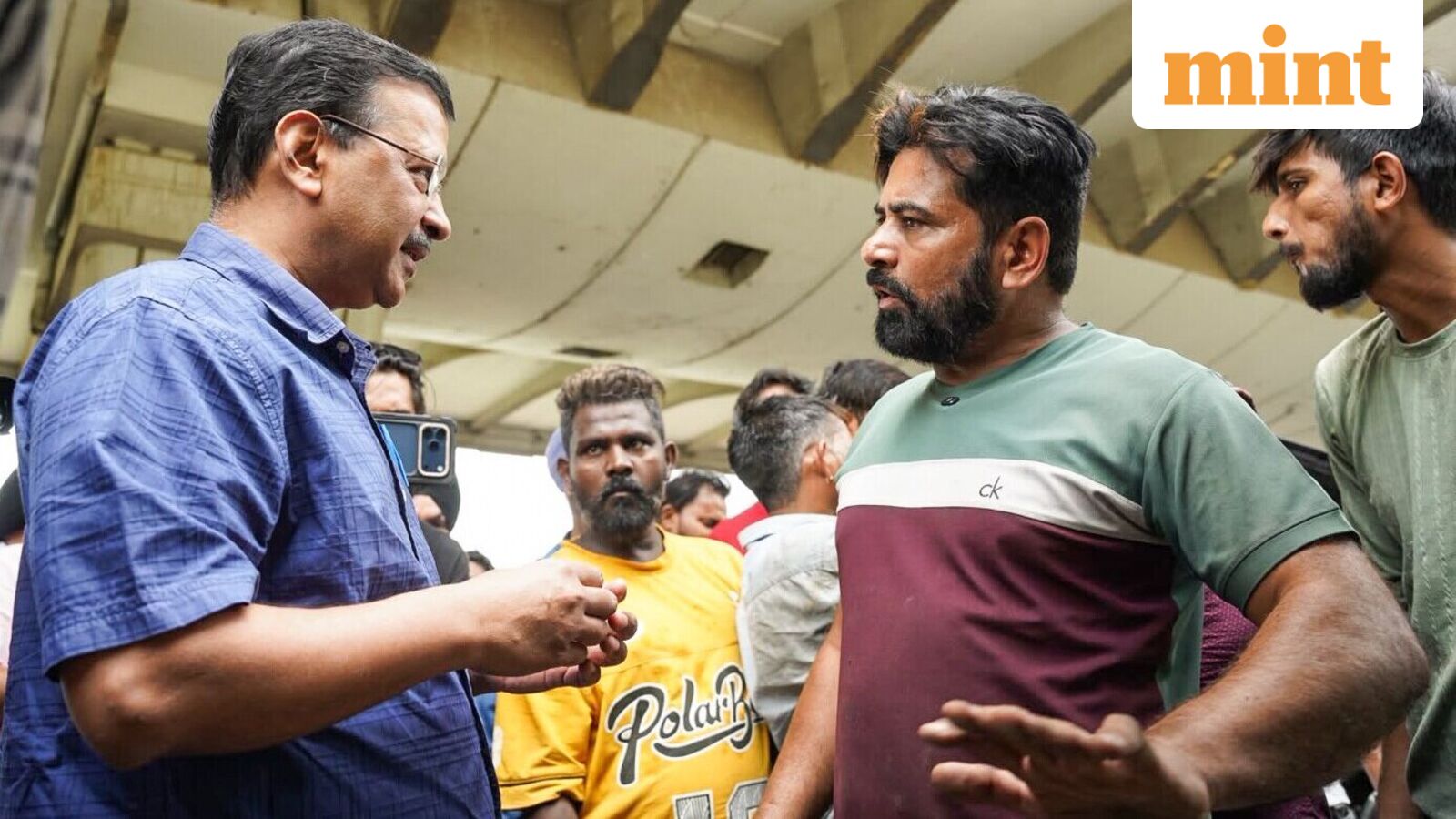
Theindiapostdaily.com – Arvind Kejriwal, the former Delhi Chief Minister and Aam Aadmi Party (AAP) national convenor, has been actively engaging with Delhi residents to assess the real-world effects of the E20 petrol policy. During a series of street-level interactions, he documented firsthand accounts of mechanical issues, such as engine misfires and increased maintenance costs, reported by vehicle owners. One commuter described how their car stalled repeatedly, while a taxi driver recounted spending an extra hour daily on fuel-related repairs. These anecdotes have fueled growing discontent among citizens, with many arguing that the transition to E20 has disrupted daily life and added financial strain.
“There’s been a notable decline in fuel efficiency, and every household is feeling the pinch,” Kejriwal remarked in a video shared on X, underscoring the widespread impact of the policy. “The government needs to take our grievances seriously.”
Kejriwal’s focus on the E20 row highlights a deeper rift between policy implementation and public expectations. While the government claims E20 is a necessary step toward reducing fossil fuel dependence, critics argue that the lack of preparedness for older vehicles has led to unintended consequences. He emphasized that the policy should have included a phased rollout, allowing time for engine modifications and consumer education. “If the transition is so smooth, why are so many people struggling?” he questioned, calling for a more inclusive approach to fuel policy.
Government’s Defense of E20 Rollout
The Ministry of Petroleum and Natural Gas has defended the E20 policy, stating that the move was driven by environmental and economic imperatives. Officials explained that maintaining separate fuel grades across India’s extensive network of over 1.1 lakh fuel stations posed significant logistical challenges, particularly in rural and semi-urban areas. They also highlighted the technical evaluations conducted with automakers to ensure E20’s compatibility with existing vehicles, though some older models still face issues due to unprepared infrastructure.
Despite acknowledging a potential 3-5% reduction in fuel economy for certain vehicles, the government insists that E20’s benefits—such as cleaner emissions and lower crude oil import reliance—outweigh these drawbacks. “Ethanol blending is a sustainable solution for the long term,” a ministry spokesperson stated in a recent statement. However, the E20 row has sparked debates about whether these advantages are being communicated effectively to the public or if the policy’s rushed implementation has overshadowed its intended goals.
“India’s fuel retail system wasn’t built for dual-grade distribution, but this transition is essential for a greener future,” the spokesperson added, emphasizing the need for public patience during the shift.
Industry and Consumer Reactions
The E20 row has not only drawn public scrutiny but also sparked discussions within the automotive industry. Automakers have pointed to the government’s failure to mandate E20-compatible engine upgrades in older models, which now require additional costs for repairs or modifications. Meanwhile, fuel retailers have faced logistical hurdles, with some stations struggling to maintain E20 supplies due to limited storage capacity and supply chain constraints.
Consumers, however, are divided. While some praise the government’s efforts to promote cleaner energy, others argue that the policy has caused financial and operational hardships. A survey conducted by a Delhi-based organization revealed that 62% of respondents reported a noticeable drop in vehicle performance, with 45% citing higher repair expenses. “We were told E20 would reduce costs, but now it’s driving us to bankruptcy,” said a local mechanic, echoing the frustration shared by many in the E20 row.
Political Implications and Public Sentiment
Kejriwal’s campaign around the E20 row has intensified political tensions, with critics accusing the Modi administration of prioritizing short-term economic gains over citizen welfare. He highlighted how the policy has become a symbol of government overreach, with some opponents labeled as “anti-nationals” for voicing concerns. “This isn’t just about fuel—it’s about trust in the government’s decisions,” Kejriwal argued, calling for transparency in the policy’s long-term effects.
Public sentiment remains polarized. Supporters of the E20 initiative cite its role in curbing carbon emissions and addressing India’s energy security. “Even if some vehicles struggle, the environment benefits are undeniable,” said a Delhi-based environmental activist. Meanwhile, opponents stress the need for a balanced approach, noting that the transition should not compromise the livelihoods of millions reliant on traditional fuel. The E20 row, therefore, has become a microcosm of broader debates about environmental progress and economic pragmatism in policymaking.
Path Forward: Solutions and Reforms
As the E20 row continues to gain traction, experts suggest several measures to mitigate its negative impacts. These include a phased implementation timeline, financial subsidies for vehicle owners to upgrade their engines, and improved communication from the government about the policy’s benefits. “The transition to E20 is inevitable, but the government must provide clear guidance and support to ease the burden on citizens,” said a transport policy analyst. This could involve partnerships with private sectors to expand E20 infrastructure or temporary exemptions for older vehicle models during the adjustment period.
Kejriwal has also called for an independent review of the policy, citing the need for data-driven adjustments. “If the government wants to claim E20 is a success, they should publish evidence showing it’s working for all,” he stated. The E20 row, therefore, not only reflects public dissatisfaction but also serves as a catalyst for broader reforms in how fuel policies are designed and executed. With growing pressure from citizens and stakeholders, the Modi administration faces the challenge of balancing environmental goals with the practical needs of the population.