E20 petrol row: What is XP100, is it really ethanol-free, and can you use it in your vehicle?
The E20 petrol row has intensified as Indian drivers debate the merits of ethanol-blended fuel
E20 Petrol Row: XP100’s Ethanol-Free Benefits and Compatibility
Theindiapostdaily.com – The E20 petrol row has intensified as Indian drivers debate the merits of ethanol-blended fuel versus ethanol-free alternatives like XP100. While E20, a fuel mix containing 20% ethanol and 80% petrol, is promoted by the government for its environmental advantages, some consumers are skeptical about its effects on vehicle performance. XP100, a premium ethanol-free petrol variant from Indian Oil, has emerged as a popular choice for those seeking higher octane ratings without the ethanol component. This has sparked questions about whether XP100 is truly a superior option and whether it can be used in all types of vehicles.
XP100: A Premium Ethanol-Free Fuel Solution
XP100, introduced in December 2020, is designed for vehicles with advanced engines, such as high-performance models and those with higher compression ratios. Its ethanol-free composition ensures that it does not contribute to the same concerns as E20, which has been criticized for potentially reducing engine efficiency. Indian Oil emphasizes that XP100’s 100-octane rating provides better combustion efficiency, leading to improved power output and smoother acceleration. However, the availability of XP100 remains limited, prompting some drivers to seek alternatives that align with their vehicle specifications and preferences.
Government’s Ethanol Blending Goals and Public Reaction
The Indian government has been actively pushing for ethanol blending in petrol to meet sustainability targets and reduce dependence on imported crude oil. E20, as part of this initiative, is marketed as a cleaner-burning fuel that lowers carbon emissions. Yet, the E20 petrol row highlights the divide between policy goals and consumer experiences. Some drivers report issues such as engine knocking, corrosion, and reduced fuel economy in older vehicles, which may not be optimized for ethanol blends. This has led to calls for clearer labeling and more information on the compatibility of ethanol-based fuels with different car models.
“The E20 petrol row reflects the challenges of transitioning to cleaner fuels, especially when older vehicles face unintended consequences like performance degradation. Ethanol, while beneficial for emissions reduction, may require adjustments in engine tuning or fuel systems to maintain optimal efficiency,” said an industry expert in a recent analysis.
Despite these concerns, the government continues to support ethanol-blended fuels, citing their role in achieving renewable energy targets. Industry stakeholders, however, argue that the E20 petrol row underscores the need for a phased approach, allowing vehicle manufacturers to adapt their designs to ethanol compatibility. This debate has also raised questions about the long-term viability of E20 and whether ethanol-free options like XP100 will play a larger role in the future of fuel choices.
XP100: Practical Implications for Consumers
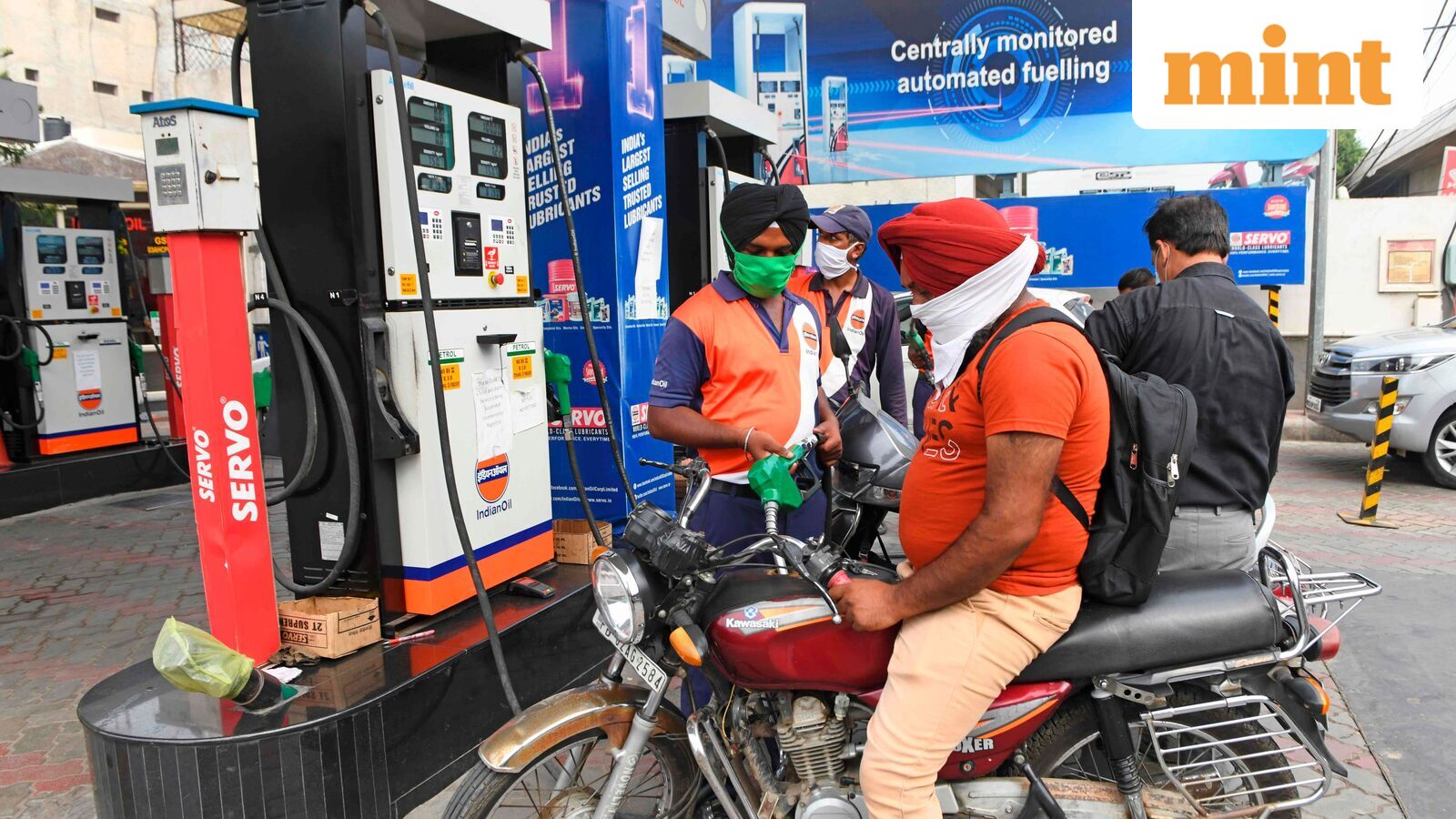
Consumers who opt for XP100 often do so for its ethanol-free profile, which they believe ensures better engine protection and performance. The fuel is available at select Indian Oil stations, with a price of ₹167.35 per liter in Delhi. While XP100 is not recommended for all vehicles, it is compatible with 91-octane engines, though its benefits are most noticeable in higher-compression setups. Mixing XP100 with lower octane fuels, such as 91, results in a blend that maintains engine safety but offers smoother operation compared to standard petrol. This flexibility makes XP100 an appealing option for drivers who want to avoid ethanol while still enjoying premium fuel qualities.
“XP100’s ethanol-free composition meets Bureau of Indian Standards (BIS) requirements and exceeds them in octane rating. This ensures superior fuel combustion and reduced engine wear, even when used in vehicles not originally designed for it,” stated Indian Oil in a recent press release.
Indian Oil also assures that switching between XP100 and other octane grades, like 95 or 98, does not harm engine health. The company claims that XP100’s higher octane rating helps vehicles with high-performance requirements, but its adoption remains low due to limited availability and consumer hesitation. As the E20 petrol row continues, the market is closely watching how these ethanol-free fuels can address the growing demand for cleaner and more efficient options.
Industry and Consumer Perspectives on E20 Petrol Row
The E20 petrol row has brought attention to the broader implications of ethanol blending on the automotive industry. While some manufacturers support the shift toward E20, citing its environmental benefits and cost-effectiveness, others warn of potential long-term issues. CarDekho, a leading automotive platform, notes that XP100 remains a rare option for those seeking ethanol-free fuel, indicating a gap in the market that consumers are trying to fill. This has led to increased interest in premium fuels that can meet both policy goals and individual vehicle needs.
As the debate over E20 petrol row gains momentum, stakeholders are calling for more transparency in fuel labeling and better consumer education. With the availability of ethanol-free alternatives like XP100, drivers have more choices than ever before. However, the success of these options depends on factors such as affordability, accessibility, and the extent to which they address the specific concerns raised during the E20 petrol row.