E20 petrol backlash grows: 53% of vehicle owners call rollout ‘disastrous’, 66% report mileage drop, survey finds
The E20 petrol backlash grows, fueled by mounting concerns among vehicle owners about the impact of
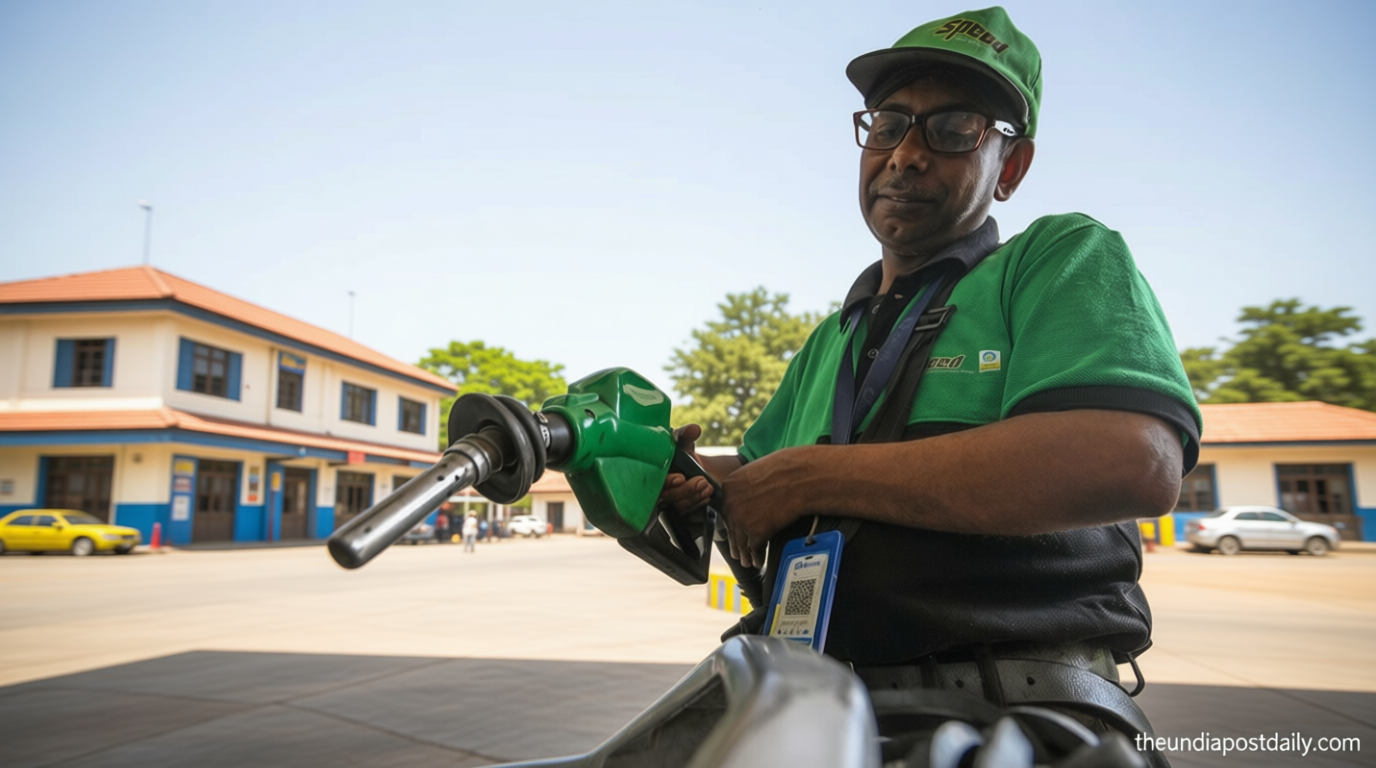
E20 Petrol Backlash Grows as Consumer Frustration Intensifies
Theindiapostdaily.com – The E20 petrol backlash grows, fueled by mounting concerns among vehicle owners about the impact of the nationwide ethanol-blending initiative. India’s accelerated rollout of E20, which achieved its 2025 target six years ahead of schedule, has led to significant public discontent. A recent survey by LocalCircles reveals that 53% of petrol vehicle owners now consider the implementation either “disastrous” or “ineffective,” with 42% outright labeling it as “disastrous.” Only 13% expressed satisfaction, underscoring a growing rift between government assurances and real-world experiences.
Union Petroleum Minister Hardeep Singh Puri has consistently defended the E20 petrol rollout, stating that the blend has minimal impact on fuel efficiency. He dismissed online criticisms as a “make-believe narrative” and reiterated that vehicle insurance coverage remains unaffected by the transition. However, the backlash continues to gain momentum as more drivers report tangible issues with their vehicles’ performance.
Consumer Concerns Over Fuel Efficiency and Engine Wear
Survey data highlights a clear shift in consumer sentiment. Over 66% of respondents reported a noticeable drop in fuel efficiency, with some noting a decline of more than 10% since switching to E20. This figure is up from 45% in previous polls, indicating that the issue has become more pronounced. Additionally, 45% of participants mentioned increased engine wear or higher maintenance costs, suggesting that E20 may not be compatible with all vehicle models. Many drivers are now advocating for the return of E0 or E10 petrol, even at higher prices, due to its reliability and performance.
The government had previously emphasized that ethanol blending would reduce fossil fuel dependency and lower emissions. However, the discrepancy between these promises and real-world outcomes has intensified the debate. While the Automotive Research Association of India (ARAI) estimates a 1-6% efficiency drop, real-world reports from drivers show a much steeper 8-12% reduction in older vehicles. This gap in expectations has left many consumers questioning the long-term viability of the E20 rollout.
Technical Adjustments to Mitigate Concerns
In response to early criticisms, regulatory adjustments have been introduced to address performance issues. Starting April 1, 2026, all E20 petrol must meet a minimum Research Octane Number (RON) of 95, aiming to improve combustion stability and reduce engine knocking. The Bureau of Indian Standards also released IS 19850:2026 in May 2026, outlining specifications for ethanol blends ranging from E22 to E30. These measures are part of the government’s strategy to maintain E20 petrol until October 31, 2026, with decisions on higher ethanol blends pending the Inter-Ministerial Committee’s report and stakeholder feedback.
Despite these adjustments, the E20 petrol backlash grows, with many drivers still struggling to adapt. The transition to E20 has forced vehicle manufacturers to recalibrate engines and update maintenance guidelines. Some industry experts argue that while the blend is suitable for modern cars, older models require more time to adjust, and the current timeline may not be sufficient to address widespread concerns.
Public Sentiment and Regional Impact
The E20 petrol backlash grows in urban and rural areas alike, with consumers from diverse regions expressing frustration. In cities like Delhi and Mumbai, where traffic congestion and fuel costs are high, the drop in mileage has been particularly felt. Meanwhile, rural drivers face additional challenges due to limited access to high-quality fuel and maintenance services. This has led to a rise in social media complaints and calls for immediate policy revisions, as many believe the benefits of ethanol blending have been overshadowed by its drawbacks.
Industry stakeholders, including automotive associations and fuel distributors, have also voiced apprehensions. While some support the initiative as a step toward sustainability, others argue that the E20 rollout should have been phased more gradually. The E20 petrol backlash grows further as businesses report increased operational costs, with many truck owners citing a rise in fuel expenses that could affect their profitability.
Environmental and Economic Considerations
Proponents of E20 petrol argue that the blend offers environmental benefits, such as reduced carbon emissions and lower oil import costs. However, these advantages are being overshadowed by the E20 petrol backlash grows, as drivers grapple with the immediate costs of lower fuel efficiency. The government maintains that the long-term gains from ethanol blending will outweigh the short-term inconveniences, but critics question whether this is a valid justification for the current challenges.
The E20 petrol backlash grows with the release of updated data showing that the blend’s performance varies significantly across different vehicle types. For instance, diesel engines and heavy-duty vehicles experience a more pronounced drop in efficiency, while some compact cars show minimal impact. This inconsistency has led to calls for more granular fuel standards and tailored implementation strategies to address specific user needs.