E. coli detected in drinking water at some railway stations, CAG report cites violation of Railway Board norms
A recent Comptroller and Auditor General (CAG) report has highlighted serious concerns after E coli detected in drinking water at several railway stations
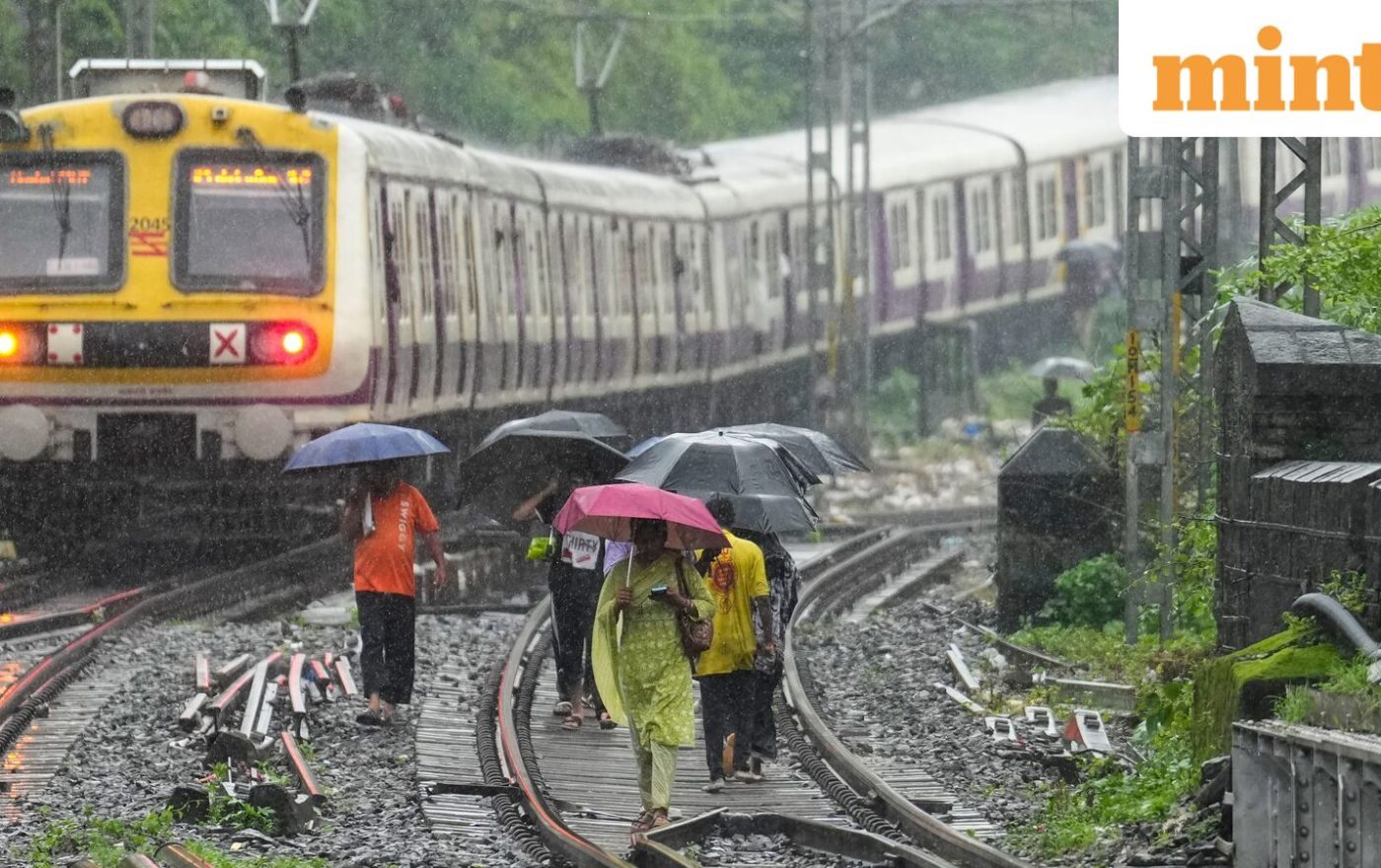
E coli Detected in Drinking Water at Railway Stations: CAG Report Findings
Theindiapostdaily.com – A recent Comptroller and Auditor General (CAG) report has highlighted serious concerns after E coli detected in drinking water at several railway stations across India. The audit revealed that water coolers at multiple stations contained harmful bacteria, violating Railway Board norms for passenger amenities. This discovery comes as part of a comprehensive review of sanitation and facilities at non-suburban railway stations.
Stations Affected by Contamination
The bacteriological analysis identified specific locations where water quality tests showed positive results for E. coli. According to the CAG report tabled in Parliament on August 12, water samples from water coolers tested positive at two stations in Southern Railway—Coimbatore and Palakkad Junctions. Additional affected stations included Hyderabad in South Central Railway, four stations in Central Railway (Chhatrapati Shivaji Maharaj Terminus, Bhiwandi Road, Kalyan, and Lonavala), and Madhupur in Eastern Railway.
Further testing revealed that bacteriological analysis of drinking water was not carried out at 59 stations across six zones. Test results of samples collected from platform taps during 2022-23 and 2023-24 indicated the presence of Total coliforms bacteria, including E-coli, at multiple locations. The audit found unsatisfactory bacteriological tests at eight stations in four zones during 2022-23 and 11 stations in five zones during 2023-24.
Widespread Deficiencies in Station Amenities
The CAG audit examined 512 non-suburban grade stations and discovered that 458 stations—accounting for more than 89 per cent—were deficient in Minimum Essential Amenities (MEA). These deficiencies included inadequate seating arrangements, sanitary facilities, dustbins, and electronic train indicator boards. Even premium NSG-1 category stations like CSMT, Howrah, Sealdah, New Delhi, and Mumbai Central showed gaps in core passenger amenities.
The report highlighted significant shortfalls in essential facilities, with latrines missing at 201 stations, urinals absent at 403 stations, and water taps lacking at 2,035 stations. The Railway Board had issued comprehensive instructions in April 2018 prescribing MEAs, Recommended Amenities, and Desirable Amenities for stations categorized as NSG 1 to NSG 6, with a deadline of August 31, 2018, for ensuring all MEAs at every station.
Indian Railways operates over 7,424 passenger trains daily across its network and carried 292.4 crore non-suburban passengers in 2023-24. The audit covered instances identified during the 2019-20 to 2023-24 test audit period, along with earlier unreported cases and instances from after 2023-24 where necessary.
Recommendations and Next Steps
Among its major recommendations, the CAG urged the Railways to ensure strict compliance with prescribed protocols for water supply system inspections. The audit emphasized the need for comprehensive testing of drinking water quality, including all parameters under the Uniform Drinking Water Quality Protocol. These measures aim to prevent future contamination incidents and ensure passenger safety.
Frequently Asked Questions
Q: Which railway stations were found to have E. coli in drinking water? A: The CAG report identified Coimbatore and Palakkad Junctions (Southern Railway), Hyderabad (South Central Railway), Chhatrapati Shivaji Maharaj Terminus, Bhiwandi Road, Kalyan, and Lonavala (Central Railway), and Madhupur (Eastern Railway) as stations with positive E. coli tests.
Q: How many stations lacked proper bacteriological analysis? A: The report stated that bacteriological analysis of drinking water was not carried out at 59 stations across six zones.
Q: What did the CAG recommend for improving water quality? A: The CAG recommended ensuring compliance with prescribed protocols for water supply system inspections and conducting comprehensive testing of drinking water quality including all parameters under the Uniform Drinking Water Quality Protocol.