Delhi’s ‘cursed’ CM bungalow faces demolition: The curious story of 33 Sham Nath Marg
Delhi’s ‘cursed’ CM bungalow faces demolition as the city prepares to transform its haunted legacy into
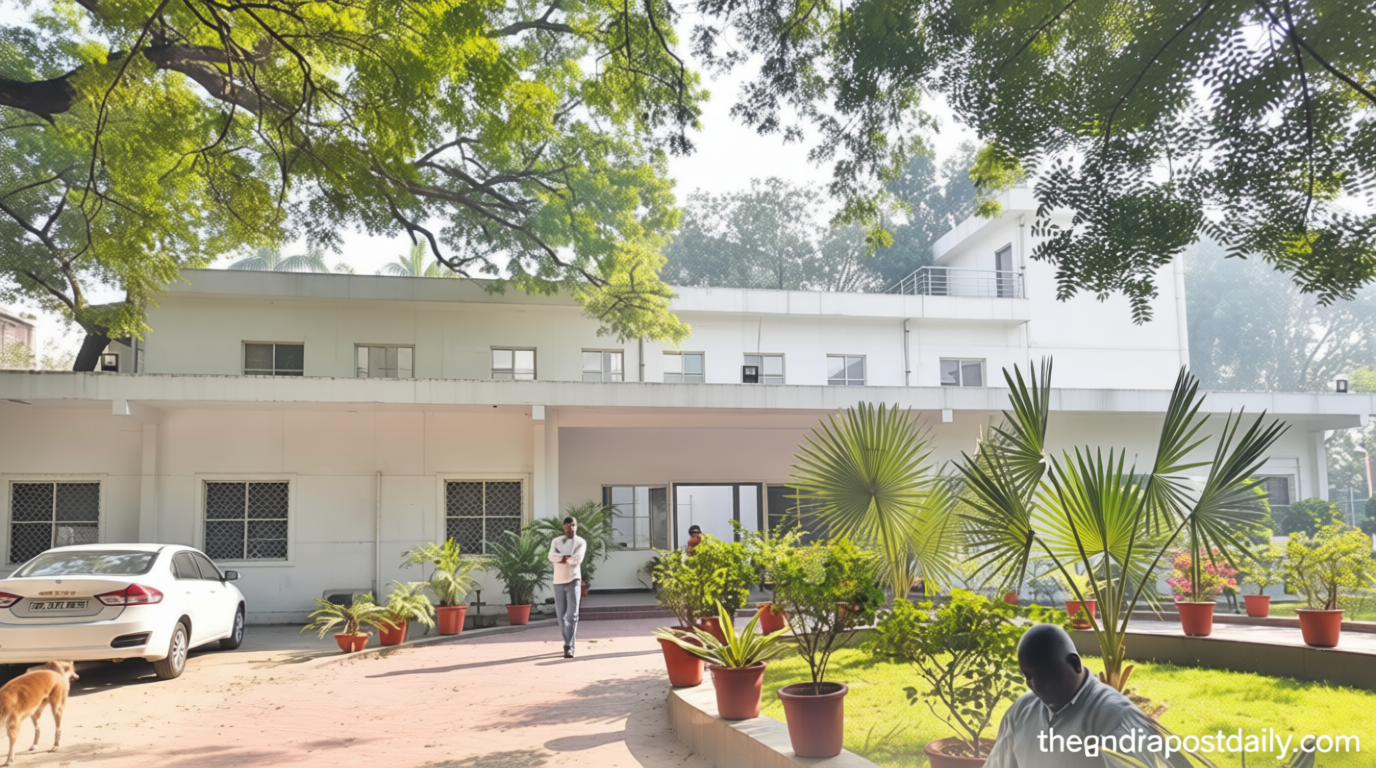
Delhi’s Cursed CM Bungalow Demolition: A Historical Mystery Unfolds
Delhi s cursed CM bungalow faces – Delhi’s ‘cursed’ CM bungalow faces demolition as the city prepares to transform its haunted legacy into a modern Emergency Operations Centre (EOC). The 33 Sham Nath Marg bungalow, located in Delhi’s Civil Lines, has long been associated with a pattern of political misfortune. For decades, it has served as the residence of successive chief ministers, many of whom left office under controversial circumstances. This has fueled widespread speculation about the bungalow’s ominous reputation, with local legends suggesting it holds a supernatural curse that has shaped the careers of its occupants.
The Delhi Cursed CM Bungalow’s Transformation into an Emergency Operations Center
The decision to demolish Delhi’s cursed CM bungalow marks a pivotal moment in the city’s urban evolution. The Delhi government aims to replace the colonial-era structure with a state-of-the-art EOC, which will serve as the primary hub for the Delhi Disaster Management Authority (DDMA). This move is expected to streamline disaster response efforts, ensuring rapid coordination during crises such as floods, heatwaves, or even pandemics. The redevelopment, however, has sparked debate, as the bungalow’s historical and symbolic significance remains deeply rooted in the collective memory of Delhi’s political elite.
Origins of the Delhi Cursed CM Bungalow
Constructed in the 1920s, the Delhi cursed CM bungalow is a testament to British-era architecture. Its two-story design and sprawling 5,500-square-meter compound made it a sought-after residence for political leaders. After India’s independence, the bungalow became a hub for Delhi’s chief ministers, strategically located near the Delhi Vidhan Sabha. This proximity to the legislative assembly made it a symbol of political power and influence, though its role as a residence soon intertwined with tales of unpredictability and misfortune.
From Chief Ministers to Cultural Legends
Delhi’s cursed CM bungalow gained notoriety in 1952 when Chaudhary Brahm Prakash, the city’s first chief minister, moved into the residence. His tenure ended abruptly in 1955 after a ‘jaggery scam’ scandal, casting doubt on his leadership and deepening the bungalow’s enigmatic image. Decades later, Madan Lal Khurana, who became chief minister in 1993, faced a similar fate. He resigned in 1996 following allegations tied to the hawala scandal, further embedding the bungalow in the lore of Delhi’s political landscape. These events have contributed to the narrative of a curse that seems to haunt those who inhabit it.
The Pattern of Sudden Departures
As the list of former occupants of Delhi’s cursed CM bungalow grew, so did the stories of their abrupt exits. Sahib Singh Verma, who succeeded Khurana, was initially appointed as a camp office and later replaced by Sushma Swaraj, the first woman chief minister. In 2003, Deep Chand Bandhu chose to reside in the bungalow despite warnings from aides. His tenure was short-lived, as he succumbed to meningitis shortly after moving in, adding a tragic dimension to the bungalow’s reputation. These incidents have reinforced the belief that the Delhi cursed CM bungalow is more than just a political landmark—it is a site of historical intrigue.
“Delhi’s cursed CM bungalow has reportedly been a point of concern for incoming officials, with some advised to avoid it due to its association with sudden political upheavals.”
A New Chapter for the Delhi Cursed CM Bungalow
Following its last chief minister, the Delhi cursed CM bungalow fell into disuse. Sheila Dikshit and other leaders opted to relocate, leaving the property largely vacant. The recent removal of Jasmine Shah, vice-chairperson of the Delhi Dialogue Commission, by Lieutenant Governor VK Saxena in November 2022 marked the bungalow’s latest chapter. The incident, tied to allegations of office misuse during Arvind Kejriwal’s tenure, has reignited discussions about the bungalow’s symbolic weight in Delhi’s political history. While some view it as a relic of bygone days, others believe its legacy will persist in the city’s cultural consciousness.
The Case for Redevelopment
Despite the Delhi cursed CM bungalow’s haunted reputation, officials argue that its demolition is essential for progress. The current system of disaster management in Delhi is fragmented, with multiple agencies operating from different locations. A dedicated EOC, built on the site of the bungalow, would provide a centralized space for real-time decision-making during emergencies. This modernization effort is seen as a necessary step to enhance preparedness, though it has also raised questions about preserving historical heritage. The project’s success will depend on balancing functionality with the symbolic value of Delhi’s cursed CM bungalow.