Delhi University drops Delhi Sultanate paper from PG syllabus as history courses undergo major changes
Delhi University drops Delhi Sultanate paper as part of a comprehensive review of its postgraduate history courses. The prestigious institution has officially
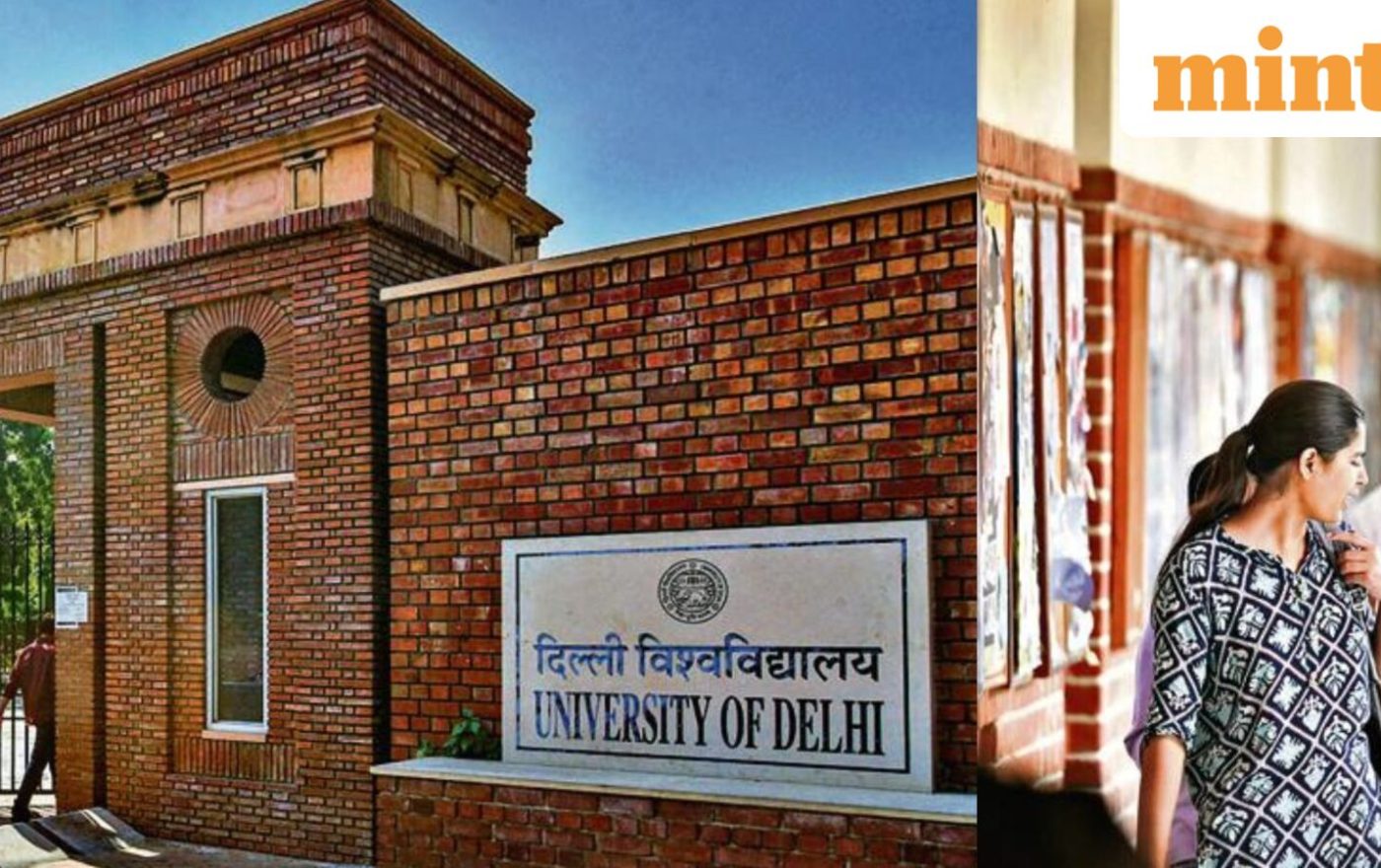
Delhi University Drops Delhi Sultanate Paper in Major History Syllabus Overhaul
Theindiapostdaily.com – Delhi University drops Delhi Sultanate paper as part of a comprehensive review of its postgraduate history courses. The prestigious institution has officially removed a dedicated module on the Delhi Sultanate from its postgraduate curriculum, signaling a significant transformation in how medieval Indian history is taught at the graduate level. This decision, reported by the Indian Express on Friday, reflects broader changes sweeping through the university’s academic structure under the National Education Policy 2020 framework.
The removed course, formally titled ‘The Delhi Sultanate: Structures of Authority in Medieval North India (13th-14th Centuries)’, had been a cornerstone of postgraduate historical studies for many years. Students enrolled in this paper explored the political evolution, cultural developments, and religious transformations that characterized this influential medieval period. The module examined how successive sultans established and maintained their authority across vast territories in northern India, while also analyzing the complex interplay between governance, society, and faith during this era.
Comprehensive Curriculum Changes
The syllabus revision, officially released on August 7, extends beyond just the Delhi Sultanate paper. Several other subjects were simultaneously eliminated from the third-semester postgraduate curriculum. Among the removed courses are “History of North India, c. 1400-1550” and “Political Processes and Structure of Polities in Ancient India”. Additionally, modules covering “Gender and Women in Early India: 1500 BCE to 1000 CE” and “Religion and Society in Ancient Indian Literature” were also excluded from the updated program.
University documentation reveals that these subjects successfully passed the initial approval stage but ultimately failed to secure inclusion in the official notification. Out of thirty-eight Discipline Specific Elective papers proposed by the History Department, only sixteen were retained for Semester III. This selective approach demonstrates the university’s commitment to streamlining its academic offerings while maintaining educational quality.
These postgraduate adjustments follow a similar transition already underway in undergraduate programs, which began implementing changes during the 2022-23 academic year. The phased implementation allows both students and faculty to adapt gradually to the new curriculum structure without disrupting the entire academic ecosystem simultaneously.
Faculty Perspectives and Student Impact
Department faculty members have provided valuable insights into the rationale behind these changes. While a Delhi Sultanate module continues to exist in the undergraduate track, a faculty member noted that the two courses serve different academic purposes and cannot be directly compared. The discontinued postgraduate course had traditionally functioned as a foundational medieval India subject, providing students with specialized knowledge of this critical historical period.
A representative from the Faculty of Social Sciences highlighted a recurring pattern: “a pattern of courses and papers, which were being taught for decades, being axed, especially in the Social Sciences, since the revisions for NEP 2020 have started both in undergraduate and post graduate syllabus revisions.”
Students affected by these changes have expressed mixed reactions. Some appreciate the opportunity to explore newer subjects that align with contemporary research trends, while others feel that removing established courses diminishes the depth of historical understanding available to postgraduate scholars. The university administration has indicated that feedback from students and faculty will inform future curriculum adjustments.
Looking Ahead: What This Means for History Students
The removal of the Delhi Sultanate paper represents more than just a syllabus update—it reflects a philosophical shift in how Delhi University approaches historical education. By reducing the number of specialized papers and potentially allowing for more interdisciplinary connections, the university aims to produce graduates who can think critically across traditional academic boundaries.
For prospective and current students, these changes mean that course selection will require more strategic planning. With only sixteen papers retained out of thirty-eight proposals, students may need to prioritize subjects that align with their research interests and career goals. The university is expected to provide additional guidance through counseling sessions and updated course catalogs.
As the NEP 2020 implementation continues across Indian higher education institutions, Delhi University’s approach to history courses may serve as a model for other universities considering similar reforms. The focus on quality over quantity, combined with periodic review mechanisms, suggests that future syllabus changes will be more systematic and evidence-based.
Frequently Asked Questions
When did Delhi University drop the Delhi Sultanate paper? The paper was officially removed as part of the syllabus revision released on August 7, 2024, as part of the broader NEP 2020 implementation.
Is the Delhi Sultanate completely removed from Delhi University’s curriculum? No, a Delhi Sultanate module continues to be offered at the undergraduate level. The removal specifically affects the postgraduate third-semester curriculum.
How many papers were removed from the postgraduate history syllabus? Out of thirty-eight Discipline Specific Elective papers proposed by the History Department, sixteen were retained, meaning twenty-two papers were either removed or not included in the final notification.
What other subjects were eliminated alongside the Delhi Sultanate paper? Other removed subjects include “History of North India, c. 1400-1550”, “Political Processes and Structure of Polities in Ancient India”, “Gender and Women in Early India: 1500 BCE to 1000 CE”, and “Religion and Society in Ancient Indian Literature”.
When will undergraduate students see similar changes? Undergraduate programs have already begun transitioning with changes implemented during the 2022-23 academic year, so undergraduate students are currently experiencing these revisions.