Delhi Metro sets new record with 82.44 lakh passenger boardings on 17 Sep amid DTC strike; which line saw highest rush?
Delhi Metro handled an unprecedented volume of commuters on 17 September, recording 82,44,903 passenger boardings in a single day as the continuing Delhi
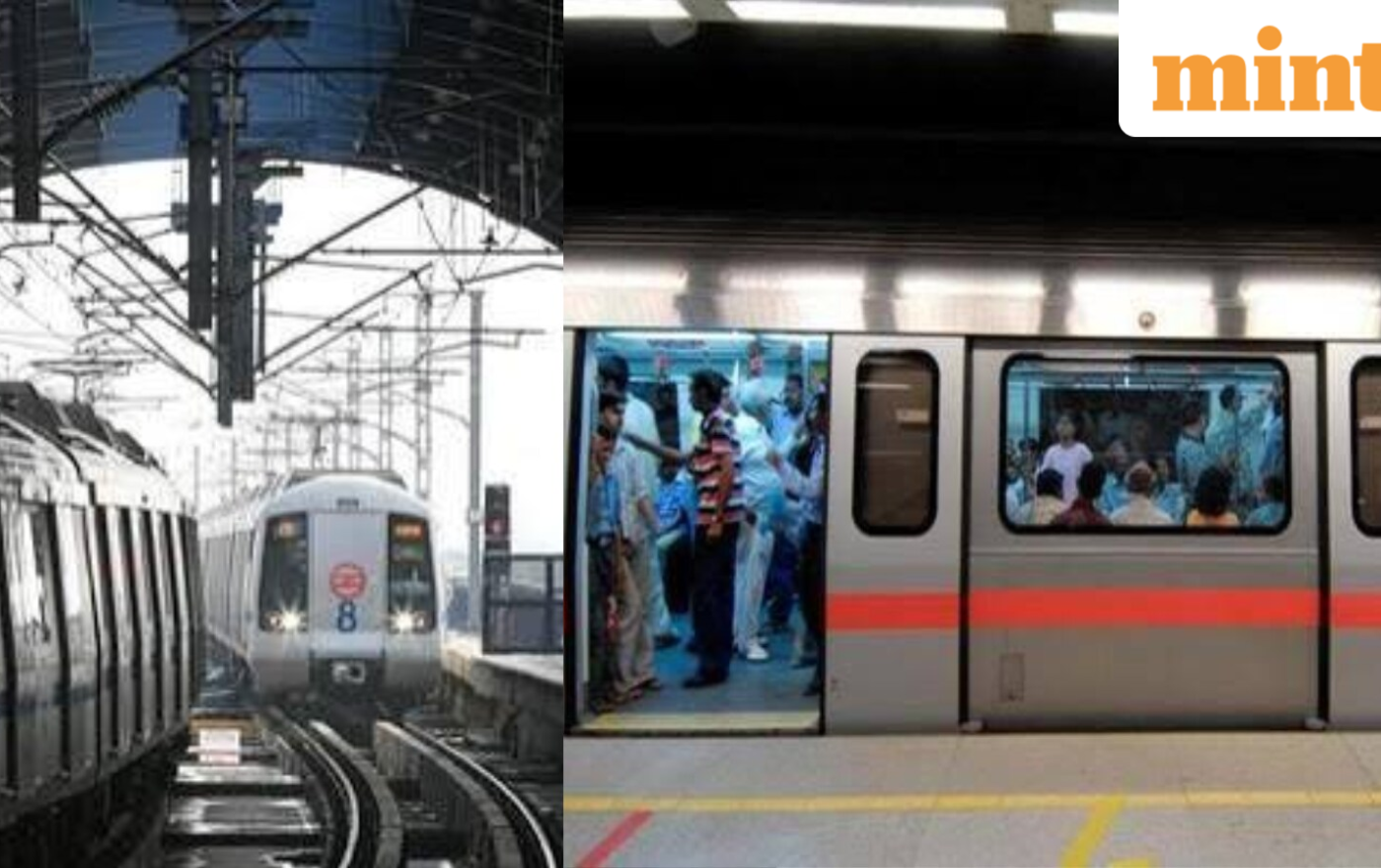
Delhi Metro Records Its Highest-Ever Daily Ridership During DTC Bus Strike
Theindiapostdaily.com – Delhi Metro handled an unprecedented volume of commuters on 17 September, recording 82,44,903 passenger boardings in a single day as the continuing Delhi Transport Corporation bus strike pushed more people towards rail travel.
The figure marked a new high for the Delhi Metro Rail Corporation (DMRC), exceeding the previous day’s total of 80,71,630 boardings by 1,73,273. Additional train services were introduced across the network to help accommodate the sharp increase in demand.
“DMRC records highest-ever passenger boardings of 82,44,903 on September 17,” the DMRC said in a post on X.
Yellow Line Carries the Largest Share of Passengers
Among Delhi Metro’s corridors, the Yellow Line experienced the greatest passenger rush, registering 20,89,465 boardings. The line is a major connection through key parts of Delhi and links Samaypur Badli with Millennium City Centre Gurugram.
The Blue Line followed with 17,28,658 boardings. Other heavily used routes included the Pink Line, where 9,41,527 boardings were counted, and the Red Line, which logged 8,80,059 boardings.
The overall daily total also includes ridership on the Airport Express and Rapid Metro Gurgaon. Together, these services lifted the combined number of boardings across the wider DMRC-operated network beyond 82 lakh.
Additional Train Trips Introduced to Manage the Rush
The DTC drivers’ strike began on Tuesday over issues that include higher daily pay, medical benefits and compensation for overtime work. With bus services affected, many regular bus users turned to the Metro, particularly during the morning and evening peak periods.
Anticipating the heavier footfall, DMRC planned 20 additional train trips across its network. Eight extra trains were put into service on 16 September as operational conditions required, running between 8 am and 8 pm.
The added services were intended to reduce crowding at stations and help trains absorb larger passenger volumes during the busiest parts of the day. DMRC said the enhanced arrangement would continue on 17 September 2026, with eight more trains available for deployment between 08:00 hrs and 20:00 hrs when needed.
“The Delhi Metro Rail Corporation (DMRC) today put in place extensive arrangements to manage the anticipated surge in passenger footfall on its network due to the ongoing Delhi Transport Corporation (DTC) bus strike. To ease pressure on the system, DMRC has increased 20 train trips across its network. A total of eight additional trains were operated today as per requirement,” DMRC said on X.
“These measures are aimed at accommodating a higher number of passengers, particularly during peak hours, and ensuring smoother travel for commuters. The same enhanced arrangements will continue tomorrow, 17 September 2026. Eight extra trains will be inducted and operated between 08:00 hrs and 20:00 hrs, as per operational requirements.”
What the Record Shows for Daily Commuters
The new ridership milestone illustrates the Metro’s central role in Delhi’s public transport system when surface travel is disrupted. A large number of commuters depend on a mix of buses, Metro services, autos and other options for daily travel, meaning a disruption in one part of the network can quickly place pressure on another.
For passengers, the increased services may help spread the rush, but travel during peak hours is still likely to be busier than usual. DMRC has advised commuters to plan journeys ahead, allow additional travel time and remain prepared for higher footfall at stations and interchange points.
Passengers using the Yellow and Blue lines may face particularly high demand given their leading boarding numbers. Interchange stations can also become more crowded when travellers shift between routes to reach workplaces, educational institutions, markets and other destinations across Delhi and the National Capital Region.
A Network Serving Delhi and the NCR
DMRC was established on 3 May 1995 as a joint venture between the Union government and the Government of the National Capital Territory of Delhi. It operates the rapid transit system serving Delhi as well as surrounding parts of the National Capital Region.
The network extends across roughly 416 km and includes 303 stations. Its wider system incorporates the Noida-Greater Noida corridor and the Rapid Metro network in Gurugram, alongside the Airport Express and the main Metro lines.
With the DTC strike continuing to reshape commuting patterns, the record 82,44,903 boardings on 17 September highlights both the scale of the temporary shift to rail and the importance of flexible operations during periods of unusually high demand.
Related Reading
Frequently Asked Questions
What is Delhi Metro sets new record with 82?
Delhi Metro sets new record with 82 is the main topic of this guide. The article explains the context, practical details, and next steps readers should understand.
Why does Delhi Metro sets new record with 82 matter?
Delhi Metro sets new record with 82 matters because readers are looking for a useful answer, not just a short summary. Good content should match search intent and help them decide what to do next.