Delhi HC upholds temporary ban on Telegram over Centre’s NEET-UG precautions: 5 key takeaways
Delhi HC Upholds Temporary Telegram Ban Amid NEET-UG Exam Concerns Theindiapostdaily.com – The Delhi High Court has reaffirmed the temporary ban on Telegram, a decision that has sparked debate over…
Delhi HC Upholds Temporary Telegram Ban Amid NEET-UG Exam Concerns
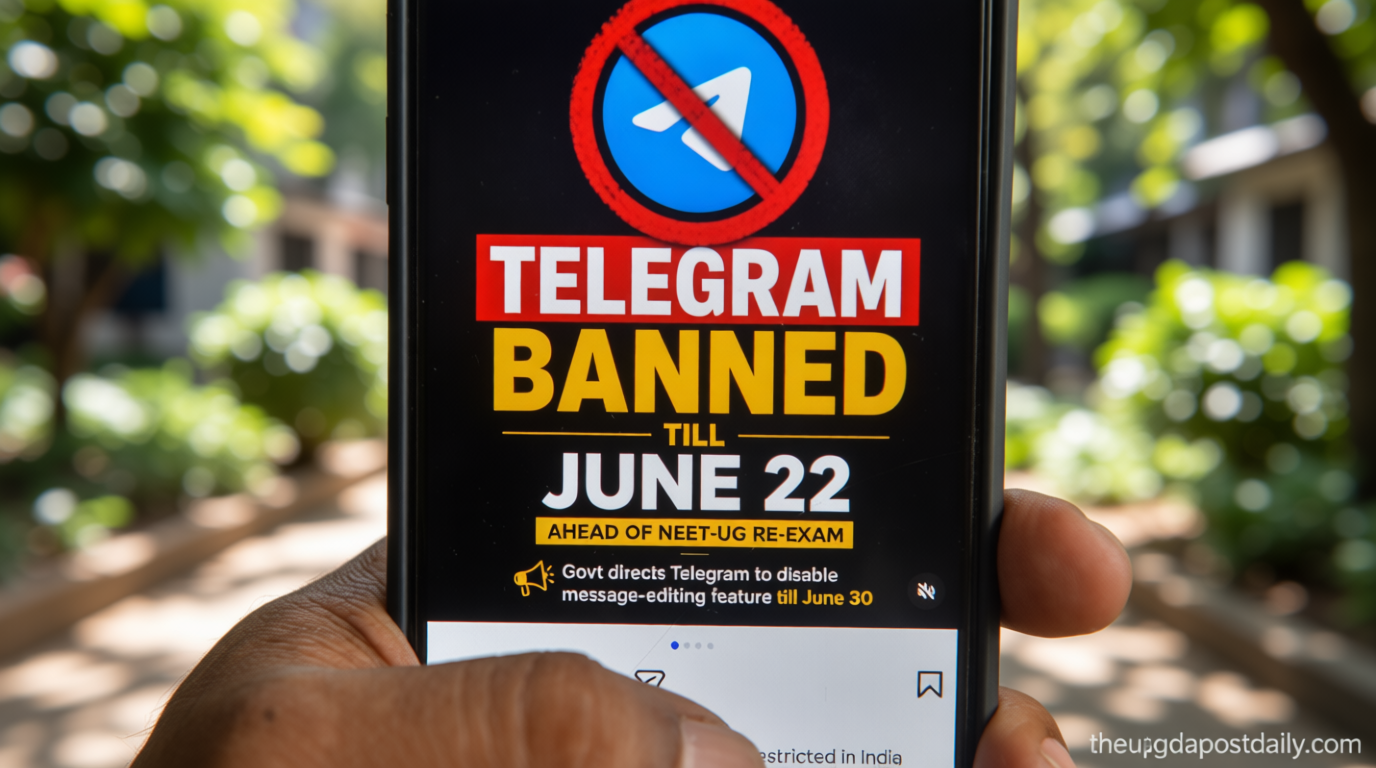
Theindiapostdaily.com – The Delhi High Court has reaffirmed the temporary ban on Telegram, a decision that has sparked debate over digital rights and government authority. In a recent ruling, the court upheld the Central Government’s suspension of the messaging app ahead of the NEET-UG re-examination, deeming the move justified under Section 69A of the Information Technology Act. This decision comes as the nation grapples with the balance between maintaining exam integrity and safeguarding the rights of digital users. The temporary restriction, implemented to prevent the spread of leaked materials during the critical re-test period, has now been validated by the judiciary, highlighting the legal framework governing online communication.
Legal Justification for the Ban
The court’s ruling emphasized that the government’s rationale for blocking Telegram was robust and legally sound. Justice Tejas Karia, presiding over the case, stated that the initial order and subsequent Review Committee decision were well-reasoned, with no procedural lapses. The judiciary acknowledged that the Central Government’s argument about the app’s role in facilitating exam-related fraud was compelling. “The government has followed the procedural requirements outlined in Section 69A,” the judge concluded, reinforcing the validity of the action taken to protect the NEET-UG process. This judgment underscores the flexibility of the law in addressing urgent digital challenges.
“The reasons supplied are sufficient and the government has followed the procedure in Section 69A.”
The court also addressed Telegram’s claim that the ban was disproportionate, emphasizing the necessity of the measure. It ruled that the temporary suspension was a targeted intervention to curb misuse, not a blanket restriction on the platform. “The test of proportionality is satisfied,” Justice Karia noted, explaining that the government’s actions were the least restrictive means to achieve their objective. This conclusion aligns with the broader interpretation of Section 69A, which grants authorities the power to block access to information deemed harmful to public interest.
Section 69A and the Scope of the Ban
The Delhi High Court’s interpretation of Section 69A was pivotal in upholding the Telegram ban. The provision, which allows for the blocking of information during emergencies, was clarified to include the entire platform rather than just specific content. The court ruled that Telegram, as a digital service, falls under the definition of “information” and thus can be blocked when necessary. “There is no reason to exclude the platform from the ambit of ‘information,’” the judge stated, ensuring that the ban adheres to the legal framework. This ruling has significant implications for how digital platforms are regulated in India, particularly during high-stakes events like the NEET-UG examination.
The decision also clarified that the ban’s scope is limited to the re-examination period, with no intent to permanently restrict the app’s operations. The court acknowledged the potential impact on users but deemed the temporary measure essential to maintaining fairness. “The orders are well-founded and supported by reasons,” the judge added, noting that the government’s measures were not arbitrary. This reinforces the idea that Section 69A provides a legal basis for temporary restrictions, as long as they are justified and proportionate.
Context and Implications of the Ban
The ban on Telegram was announced by the Centre just days before the NEET-UG re-examination, following reports of cheating groups using the app to disseminate exam questions and answers. The government argued that the temporary suspension was necessary to prevent widespread fraud and ensure a level playing field for all candidates. This move came after the Review Committee, formed under Section 69A, assessed the risks and recommended the block. The Delhi High Court’s affirmation of the ban validates the Centre’s approach, linking the suspension directly to the public interest in maintaining exam integrity.
While the ban was intended to be short-term, its duration and impact have raised concerns about digital rights. The court’s ruling, however, leaves room for the government to extend the block if needed, emphasizing that the decision was not final. This has sparked discussions about the need for transparency and accountability in digital regulation. “The orders do not suffer from non-application of mind,” Justice Karia stated, which suggests that the judiciary viewed the government’s actions as thorough and well-considered. Nevertheless, critics argue that the ban could set a precedent for broader surveillance of digital platforms.
FAQs About the Delhi HC’s Telegram Ban
How Long Will the Telegram Blockage Last?
The current temporary ban on Telegram is set to continue until June 22, as per the court’s ruling. This timeframe coincides with the NEET-UG re-examination period, ensuring that the restriction remains in place to prevent any potential misuse during the event. The government has not announced plans to lift the ban immediately after the re-test, leaving room for further extensions if required. This duration highlights the urgency of the situation, as the Centre aims to secure the integrity of the examination process.
Why Did Telegram Challenge the Ban?
Telegram contested the temporary suspension, asserting that the government’s action violated constitutional principles. The app argued that Section 69A does not authorize the complete blocking of a platform, emphasizing the rights of its 150 million users in India. Telegram’s legal team contended that the ban unfairly targeted the entire service, affecting millions of users without due process. The app also raised concerns about the transparency of the Review Committee’s decision, questioning whether the justification provided was comprehensive enough to justify the restriction.
Is Telegram Fully Banned in India?
Telegram remains temporarily banned nationwide under Section 69A, but the ban is not absolute. The court’s ruling confirms that the restriction is limited to the NEET-UG re-examination period and can be revoked if the government deems it no longer necessary. This means that while the app is currently inaccessible, its users can expect the ban to be lifted once the exam period concludes. The temporary nature of the suspension reflects the judiciary’s recognition of the government’s authority but also its role in ensuring that such powers are exercised responsibly.