Delhi HC reserves verdict on Telegram plea against temporary NEET-linked block
The Delhi High Court has reserved its verdict on a
Delhi HC Reserves Verdict on Telegram’s NEET Block Challenge
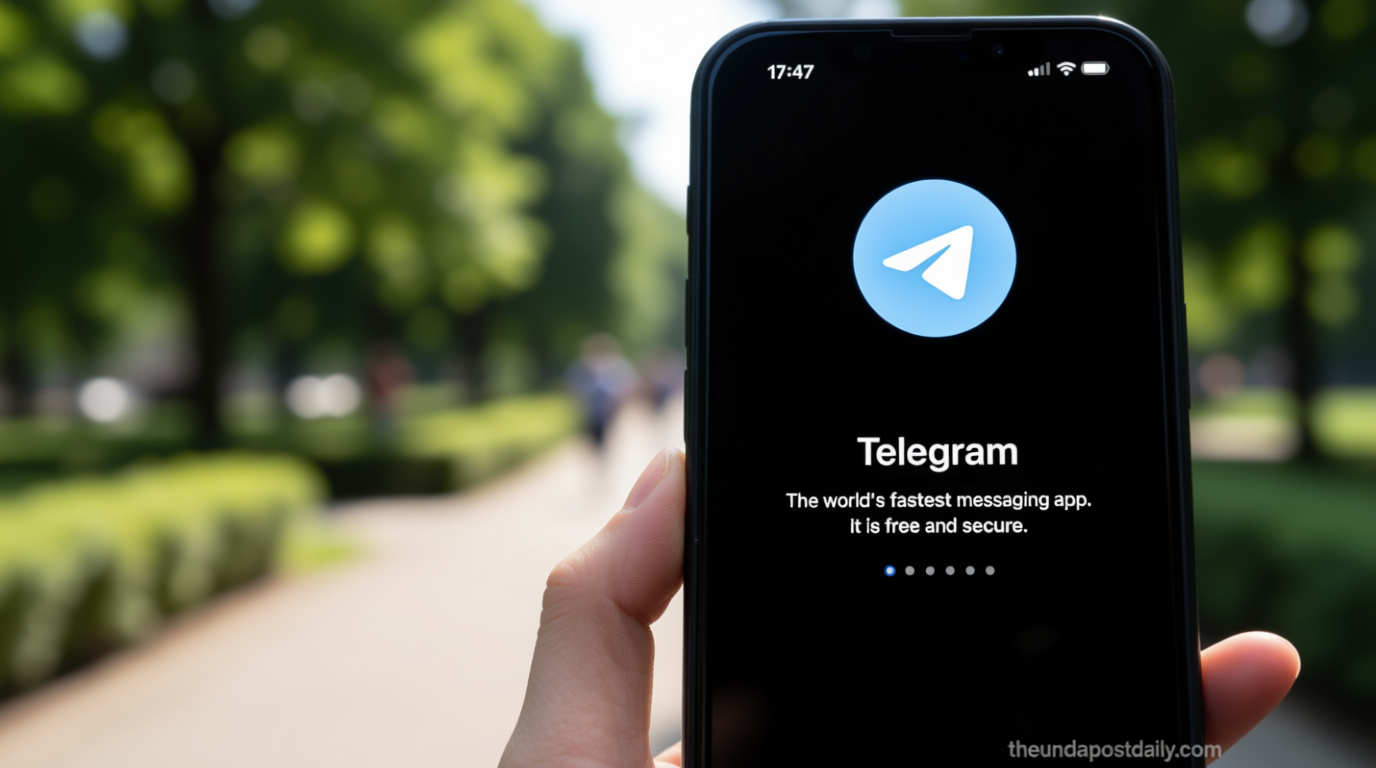
Theindiapostdaily.com – The Delhi High Court has reserved its verdict on a petition filed by Telegram challenging the temporary block imposed by the Indian government before the NEET-UG re-examination. This legal dispute centers on the proportionality of the measure, which restricted access to the messaging app in June 2026 to prevent the spread of exam-related leaked information. The court’s decision, expected shortly, could set a precedent for content restrictions in the digital space and influence the balance between free speech and regulatory oversight.
Context of the NEET-UG Re-Examination
The National Testing Agency (NTA) canceled the original NEET-UG exam on 3 May 2026 after allegations of question paper leaks, which affected the results of over 2.28 million candidates. To address the issue, the government ordered a re-examination on 21 June, during which Telegram was temporarily blocked under Section 69A of the Information Technology Act. This section allows authorities to restrict online content for national security and public order, a power invoked by the Centre to curb potential misuse of the platform.
Telegram’s petition argues that the temporary block was an overreach, impacting more than 150 million users across India. Senior counsel Dhruv Mehta emphasized that the restriction disrupted the app’s essential role in daily communication and business operations, particularly for educational institutions and startups reliant on its services. The company also highlighted its AI-driven systems, which analyze 35 billion content items monthly with over 99% accuracy, as evidence of its capability to monitor illegal activity without a full ban.
Government’s Justification and Legal Framework
Representing the government, Solicitor General Tushar Mehta defended the block as a necessary step to safeguard the integrity of the NEET-UG exam. He cited reports linking Telegram to the dissemination of leaked question papers, which he claimed created a risk of widespread misinformation. The legal basis for the action was laid out in Section 69A, which grants the power to block content when it is deemed a threat to public order or national security.
The court’s two-day hearing revealed a detailed examination of the government’s rationale. While the block was implemented swiftly to address immediate concerns, the justices questioned whether the measure was proportionate to its intended effect. One key point of debate was the scope of the ban, which not only targeted exam-related content but also affected users’ ability to access a variety of services, including educational resources and business communications. The court’s inquiry into the fairness of this impact underscores the broader implications of digital content regulation.
Public Reaction and Broader Implications
Public opinion has been divided on the government’s decision to block Telegram. While some support the move as a necessary measure to ensure exam fairness, others argue it infringes on users’ right to free expression. The temporary restriction has sparked discussions about the role of social media platforms in information dissemination and the potential for over-regulation. Critics also raised concerns about the lack of transparency in the decision-making process, questioning whether sufficient evidence was presented to justify the widespread impact of the block.
For Telegram, the case represents a critical test of its legal resilience. The platform’s ability to sustain its operations under such restrictions will depend on the court’s ruling. If the verdict upholds the block, it may encourage similar actions against other messaging apps or digital services. Conversely, a reversal could signal a more lenient approach to content regulation, benefiting platforms that rely on user engagement and accessibility. The outcome will also influence the National Testing Agency’s ability to enforce its policies in future examinations.
Conclusion and Future Outlook
As the Delhi High Court prepares to deliver its final judgment, the case has drawn attention to the intersection of digital rights and exam integrity. The temporary block on Telegram, initially imposed to curb leaks, now faces scrutiny over its proportionality and impact on millions of users. With the re-examination approaching on 21 June, the court’s decision could either validate the government’s swift action or prompt a reevaluation of how online platforms are regulated during critical periods. The legal battle highlights the growing tension between content moderation and the preservation of user freedoms in an increasingly digital world.