Delhi HC refuses to stay bail of Kashmiri human-rights activist Khurram Parvez, journalist Irfan Mehraj
Delhi High Court refuses to stay bail - In a significant ruling on July
Delhi HC Refuses to Stay Bail for Kashmiri Activists
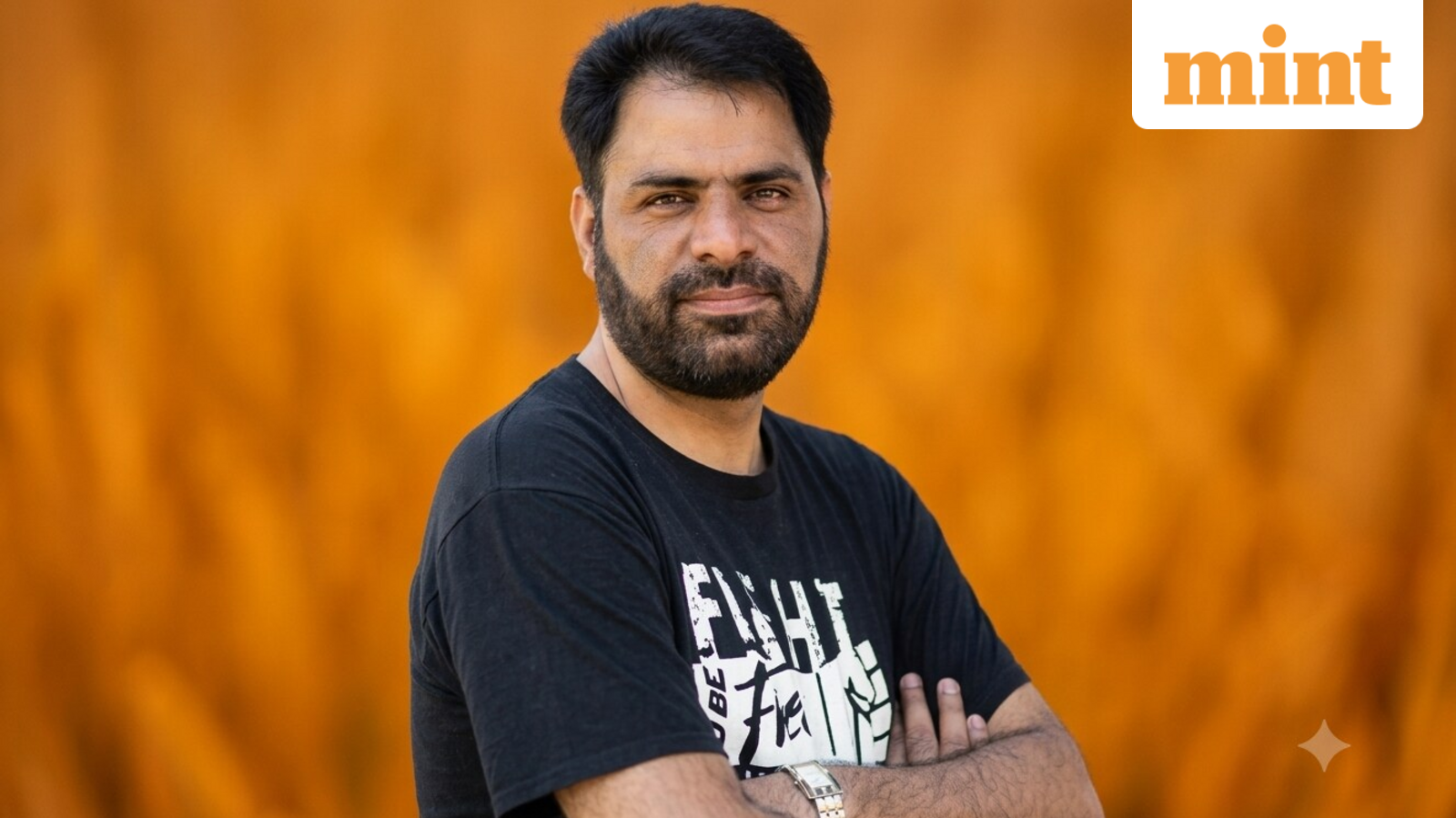
Theindiapostdaily.com – Delhi High Court refuses to stay bail – In a significant ruling on July 21, the Delhi High Court rejected the request to suspend the bail granted to Khurram Parvez, a Kashmiri human rights activist, and Irfan Mehraj, a journalist, in a 2020 terror funding case under the Unlawful Activities Prevention Act (UAPA). The Division Bench, comprising Justices Prathiba M Singh and Vikas Mahajan, reviewed the matter and upheld the trial court’s decision, according to legal news outlet Bar and Bench.
The court emphasized that the accusations against Parvez and Mehraj, linked to their alleged involvement in funding separatist activities, were serious but not sufficient to warrant additional restrictions on their bail. “The trial court’s conditions are adequate,” the judges stated, noting that the current measures would ensure the suspects’ compliance without overburdening them. The decision has sparked debate about the balance between national security and individual freedoms in Kashmiri cases.
Delhi HC Refuses to Stay Bail: Key Legal Considerations
The court’s ruling came after the National Investigation Agency (NIA) had pressed for stricter conditions, arguing that the accused posed a risk to the investigation. However, the judges found that the trial court’s measures, which included regular reporting to authorities and asset freezes, were sufficient to maintain the integrity of the case. “The trial court has already imposed necessary safeguards,” they remarked, reinforcing the importance of judicial discretion in bail decisions.
“The absence of definitive findings in the trial court order requires this Court’s scrutiny,” the Bench added, underscoring the need for thorough examination of the evidence before imposing further restrictions.
Legal experts have pointed out that the Delhi High Court’s decision aligns with previous rulings that prioritize the rights of the accused unless there is clear evidence of tampering or flight risk. The case highlights ongoing tensions between the government’s counter-terrorism efforts and the rights of activists, journalists, and civil society members in Jammu and Kashmir.
Background of the Case and Accused
Khurram Parvez, a prominent figure in the Jammu Kashmir Coalition of Civil Society (JKCCS), has been a vocal advocate for human rights in the region. He was arrested by the NIA in November 2021 and has been associated with organizations that supported protests against government policies. Irfan Mehraj, a journalist and researcher, was linked to the JKCCS until March 2022, contributing to coverage of Kashmir’s political and social landscape.
The case originated from a 2020 UAPA chargebook, which alleged that the accused had provided financial support to separatist groups. The trial court granted bail on July 18, setting conditions to monitor their activities and ensure they do not interfere with the investigation. The Delhi High Court’s refusal to stay this bail has provided relief to the activists, who had been detained for over a year in the case.
Implications of the Delhi HC Refuses to Stay Bail Decision
The court’s decision to let the bail stand has significant implications for the accused and their legal battles. While it ensures their immediate release, it also means they remain subject to the trial court’s conditions, which include regular appearances and restrictions on movement. Legal analysts suggest that this ruling may set a precedent for similar cases, emphasizing the need for procedural transparency in terror-related charges.
Delhi HC refuses to stay bail has also drawn attention to the broader context of human rights in Kashmir. Critics argue that the UAPA, with its broad provisions, has been used to target activists and journalists, raising concerns about due process and judicial independence. Supporters of the decision, however, believe it upholds the rule of law by allowing the trial to proceed without unnecessary delays.
Timeline and Legal Challenges
The NIA’s challenge to the trial court’s bail order was part of a larger effort to secure prolonged detention of the accused. The agency had filed the case in October 2020, citing evidence of financial transactions linked to separatist groups. The Delhi High Court’s ruling came after a week of legal arguments, with the NIA insisting that the trial court’s order lacked sufficient grounds to justify bail.
On Saturday, the Patiala House Court had already approved bail for Parvez and Mehraj in the 2020 UAPA case, underscoring the judicial system’s role in balancing security and liberty. This decision effectively clears the way for Parvez’s release, as he had previously secured bail in a separate 2021 UAPA case, though his current bail conditions remain in effect.
Public Reaction and Political Context
The Delhi High Court’s refusal to stay bail has elicited mixed reactions. Civil society groups and human rights organizations have welcomed the decision, viewing it as a victory for judicial review. However, some political figures have criticized the court for not taking a stronger stance against the NIA’s claims, arguing that the activists’ work in Kashmir has been targeted to suppress dissent.
Delhi HC refuses to stay bail also reflects the ongoing legal and political dynamics in the region. With the UAPA being a key tool in counter-terrorism, the case serves as a focal point for discussions about its application and impact on free speech. As the trial continues, the activists’ future remains closely tied to the court’s interpretation of the law and the evidence presented.