CJP’s Abhijeet Dipke writes letter to PM Modi, seeks ₹1 crore aid for kin of NEET aspirants who died by suicide
CJP's Abhijeet Dipke Appeals to PM Modi for ₹1 Crore Aid for NEET Aspirants' Families in Suicide Crisis CJP s Abhijeet Dipke writes letter - Abhijeet Dipke
CJP’s Abhijeet Dipke Appeals to PM Modi for ₹1 Crore Aid for NEET Aspirants’ Families in Suicide Crisis
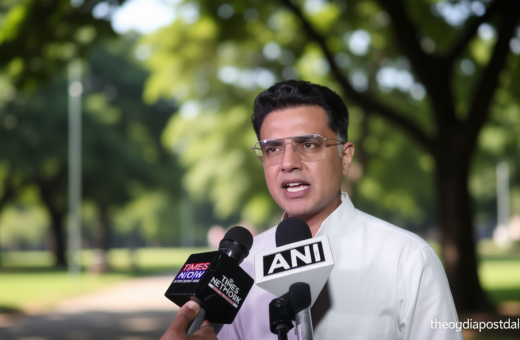
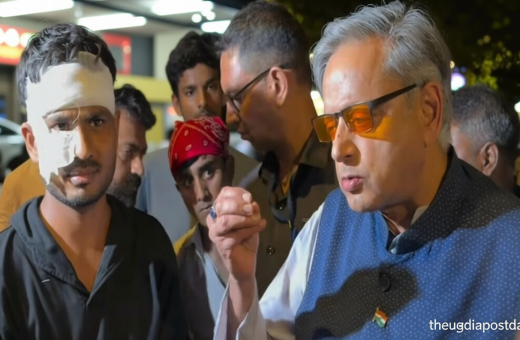
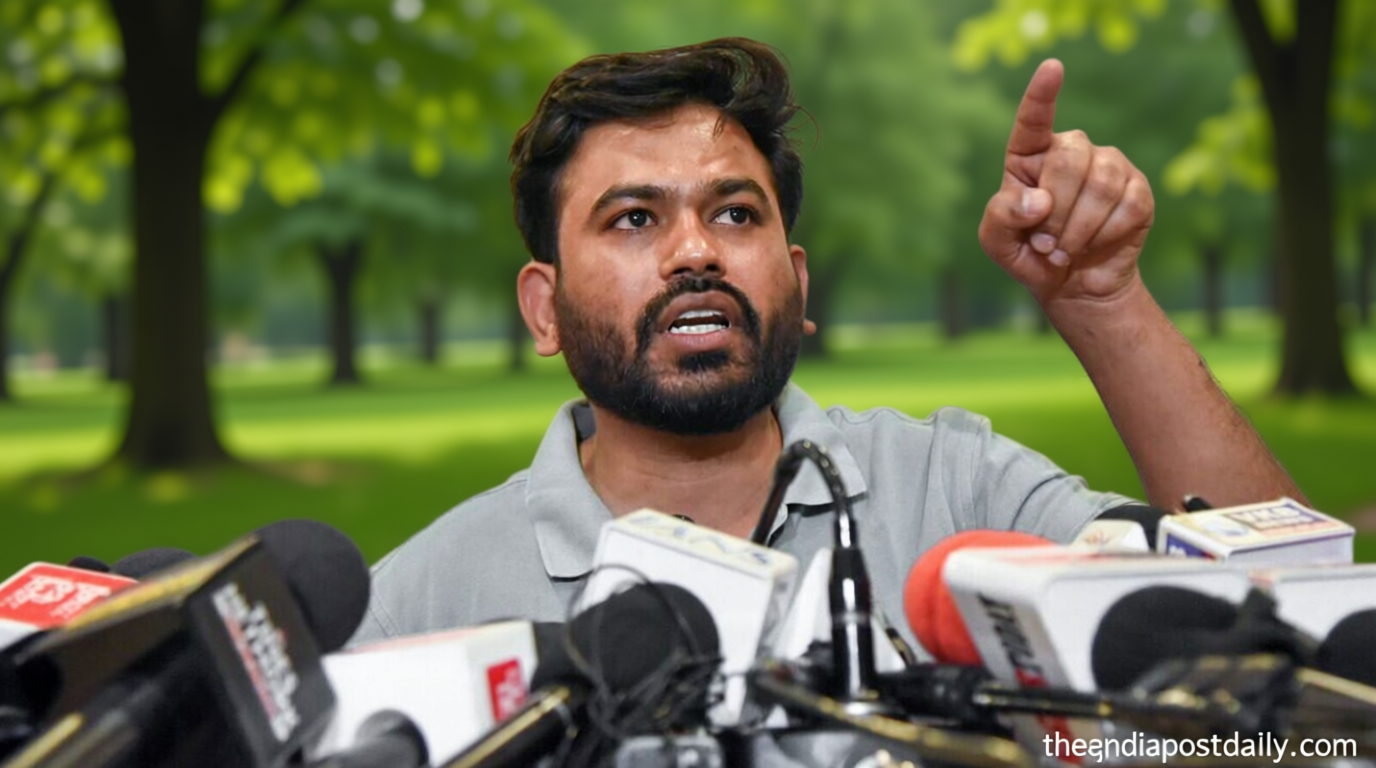
Theindiapostdaily.com – Abhijeet Dipke, founder of the Cockroach Janta Party (CJP), has taken a proactive step by penning a letter to Prime Minister Narendra Modi, urging the government to allocate ₹1 crore as compensation for families of NEET aspirants who have taken their own lives. This initiative underscores the growing concern over the mental health struggles faced by students under immense academic pressure, particularly in the context of the National Eligibility cum Entrance Test (NEET) system. Dipke’s appeal highlights the systemic flaws in the examination framework, which he argues have contributed to a tragic wave of suicides among young candidates. By centering his request around the focus keyword “CJP s Abhijeet Dipke writes,” he aims to draw attention to the urgent need for policy changes and financial relief.
Systemic Pressures and the NEET Dilemma
The letter from CJP s Abhijeet Dipke writes emphasizes the disproportionate stress placed on NEET aspirants, many of whom face years of grueling preparation to secure a coveted seat in medical colleges. He points to the rising number of suicides as a direct consequence of this pressure, exacerbated by factors such as exam irregularities, paper leaks, and the high stakes of the competition. Dipke argues that the current education system fails to support students emotionally, leaving them vulnerable to despair after repeated failures. “The tragedy of these suicides is not just individual—it reflects a deeper crisis in how our system values academic success over well-being,” he wrote in the letter.
Dipke also criticizes the financial burden on parents, who often take loans to fund their children’s NEET preparation. With limited resources, families face the crushing reality of either investing heavily in their child’s education or risking financial instability. This dilemma has led to a sense of hopelessness among candidates, particularly those who feel the system is rigged against them. The letter calls for a comprehensive review of the NEET structure, suggesting measures to reduce stress and ensure transparency in the process. By linking the issue to broader systemic failures, Dipke s Abhijeet Dipke writes aims to position the crisis as a national emergency requiring immediate action.
Call for Leadership Change and Accountability
Abhijeet Dipke s letter to PM Modi not only seeks financial aid but also demands accountability from key stakeholders. He specifically targets Union Education Minister Dharmendra Pradhan, linking his leadership to the ongoing issues in the NEET system. “The minister’s tenure has coincided with a surge in student suicides, and his inaction has worsened the situation,” Dipke wrote. This call for leadership change reflects the frustration of families and educators who believe the current administration is not addressing the root causes of the problem. The CJP leader’s emphasis on accountability underscores the need for structural reforms, including stricter oversight of examination conduct and mental health support for students.
Dipke’s letter highlights recent incidents, including the deaths of 11 students in the past weeks, with five occurring within the last 48 hours. These tragic losses have galvanized the CJP s Abhijeet Dipke writes campaign, bringing the issue to the forefront of public discourse. He argues that the education ministry’s failure to prevent such outcomes has created a culture of despair among aspiring medical professionals. “Students are not just victims of stress—they are casualties of a system that prioritizes grades over happiness,” Dipke stated. The CJP s Abhijeet Dipke writes initiative seeks to shift the narrative from individual struggles to collective responsibility, urging the government to take decisive steps to prevent further tragedies.
Protest Plans and Broader Impact
As part of the CJP s Abhijeet Dipke writes campaign, the organization has planned a major demonstration at Jantar Mantar on June 20, aiming to amplify pressure on the government to act swiftly. The protest, expected to draw thousands of participants, will feature students, parents, educators, and activists united in their demand for reforms. Dipke emphasized that the event will serve as a platform to highlight the human cost of the NEET system and call for immediate measures to alleviate the mental health burden on young aspirants. “This protest is not just about money—it’s about recognition and change,” he said, underscoring the symbolic significance of the gathering.
The CJP s Abhijeet Dipke writes letter also underscores the importance of transparency in the NEET process, citing allegations of paper leaks and malpractices that have undermined student confidence. With the upcoming demonstration, the organization plans to mobilize support across multiple cities, ensuring that the issue gains national attention. Dipke believes that the combined efforts of youth-led groups and concerned citizens can force the government to prioritize the well-being of students. “We are not asking for easy fixes—we are demanding a complete overhaul of the system,” he stated, as the protest looms on the horizon.
Government Response and Public Reaction
Following CJP s Abhijeet Dipke writes letter, the government has been urged to respond promptly. The Delhi Police has granted clearance for the June 20 protest, signaling a readiness to engage with the demonstrators. However, critics argue that the response so far has been muted, with no concrete steps outlined to address the mental health crisis. Dipke’s appeal to Modi has intensified calls for action, with students and parents demanding a formal inquiry into the recent suicides and a dedicated fund for compensation. The CJP s Abhijeet Dipke writes campaign has also gained traction on social media, with hashtags like #NEETCrisis and #SaveOurStudents trending in recent days.
Dipke’s efforts to bring the issue to the prime minister’s doorstep have sparked discussions about the broader implications of the NEET system. Experts and educators have weighed in, acknowledging the pressure on students but also emphasizing the need for long-term solutions. “While financial aid is crucial, it’s only a temporary fix. The system must be restructured to support mental health and ensure fairness,” said one education analyst. The CJP s Abhijeet Dipke writes initiative, therefore, is not just a plea for compensation but a call for systemic transformation, reflecting the growing demand for accountability in India’s education sector.
As the CJP s Abhijeet Dipke writes campaign gains momentum, it has become a symbol of the nationwide movement against the NEET-induced mental health crisis. With the June 20 protest set to draw widespread participation, the hope is that the government will take notice and implement meaningful reforms. Dipke’s letter serves as a reminder of the human stories behind the statistics, urging policymakers to prioritize the emotional and psychological well-being of students. The CJP s Abhijeet Dipke writes appeal, coupled with the planned demonstration, marks a critical juncture in the fight for a more humane and equitable education system.