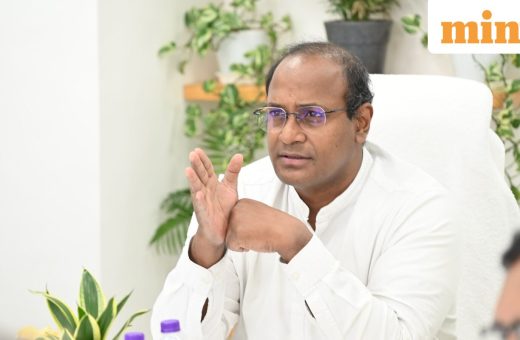
CJP’s Abhijeet Dipke faints during sit-in at Jantar Mantar after protest march: Video
During a tense sit-in at Jantar Mantar in Delhi, CJP's Abhijeet Dipke collapsed, sparking
CJP’s Abhijeet Dipke Faints During Jantar Mantar Sit-In: Video
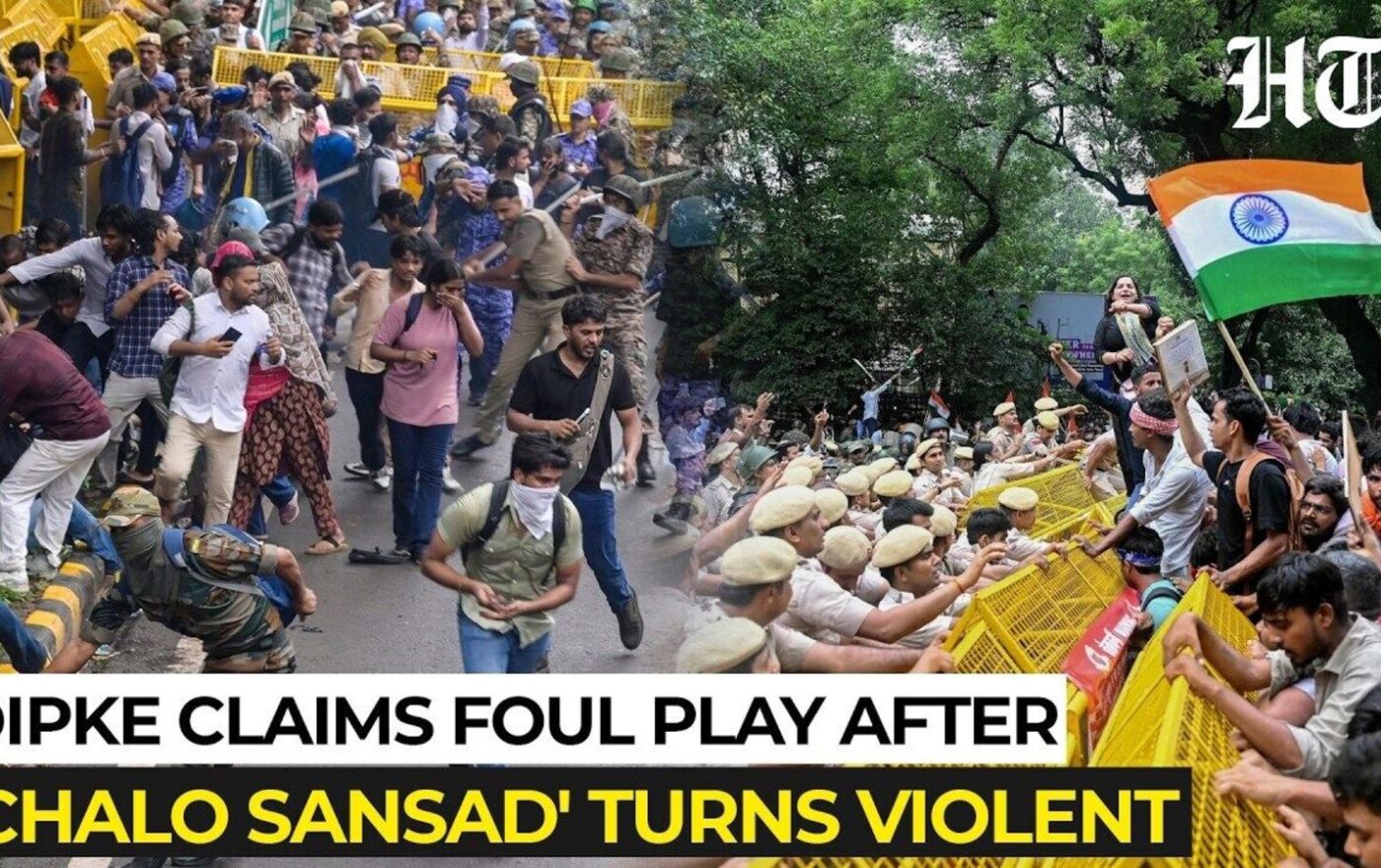
Theindiapostdaily.com – During a tense sit-in at Jantar Mantar in Delhi, CJP’s Abhijeet Dipke collapsed, sparking immediate concern among protesters and observers. The incident occurred after a prolonged protest march to Parliament, where thousands of demonstrators rallied against the Union Education Minister Dharmendra Pradhan. Dipke, the leader of the Cockroach Janta Party (CJP), had been participating in a hunger strike to demand systemic reforms in education. The event gained further momentum as the father of NEET student Riya Thapa, who took her own life, encouraged Dipke to lead the procession to the capital. The moment of fainting, captured on video, has since become a focal point in the ongoing discourse about education policies and governance.
Protesters Demand Immediate Accountability
Following the march, the protesters gathered at Jantar Mantar to continue their demonstrations, with Dipke at the center of attention. The group, representing a collective of students and educators, called for the resignation of Pradhan and a thorough investigation into irregularities in competitive exams. Dipke’s fainting was interpreted by some as a symbolic gesture of exhaustion from the prolonged campaign, while others viewed it as a sign of the government’s harsh treatment of dissent. The incident underscored the emotional toll of the movement, which has been ongoing for several weeks. Participants, many of whom are affiliated with the CJP, have expressed frustration over the lack of progress in addressing their grievances, with the protest now seen as a test of public patience.
“The government’s inaction is costing young lives. CJP’s Abhijeet Dipke fainting during this sit-in highlights the desperation of our cause,” said a protest leader, emphasizing the symbolic weight of the moment.
Police Tactics Spark Debate Over Brutality
As the sit-in continued, accusations of police brutality intensified. Dipke alleged that Delhi Police used excessive force during the “Sansad Chalo” rally, with several students sustaining injuries. He specifically cited incidents involving Gitanjali J. Angmo, the spouse of activist Sonam Wangchuk, who was reportedly dragged by officers and subjected to lathi charges. The protesters’ presence at Kerala House, a historic site in Delhi, symbolized their determination to keep the movement alive despite the crackdown. The police’s decision to dismantle the stage at Jantar Mantar added to the sense of urgency, with demonstrators arguing that the government was attempting to suppress their voices through physical intimidation.
“Even a 15-year-old girl was beaten by an officer, and Gitanjali Angmo’s hair was pulled as she was dragged out of the tempo. This brutality must be addressed before it escalates further,” Dipke stated, reinforcing the gravity of the situation.
Mass Support and Key Demands for Reform
The movement has reportedly garnered the backing of approximately 25 lakh youth, according to organizers. This widespread support highlights the deepening public discontent with the education system, which protesters claim is failing students due to flawed policies and governance. Dipke outlined three main conditions for resolving the crisis: Pradhan’s resignation, a commitment from Cabinet ministers and MPs to address education issues during the Monsoon Session, and action on the memorandum submitted by the protesters. These demands, he argued, are essential for the movement to achieve tangible results. The CJP’s role as a vocal advocate for student welfare has positioned it as a key player in this nationwide struggle.
Meanwhile, the protests have drawn mixed reactions from political figures. While some have condemned the police’s actions, others have criticized the protesters for escalating tensions. The incident involving Dipke’s fainting has been widely shared on social media, amplifying the movement’s visibility. As the situation develops, the focus remains on whether the government will heed calls for reform or continue to face resistance from a growing coalition of activists and educators.
“CJP’s Abhijeet Dipke fainting during this sit-in is a stark reminder of the sacrifices being made for a better future. The government must act now or risk losing the trust of the youth,” a supporter remarked, encapsulating the sentiment of the crowd.
Aftermath and Ongoing Impact on Public Discourse
Following Dipke’s collapse, medical teams rushed to the scene to provide immediate aid. The event has since been used by activists to highlight the broader issues within the education system, including the stress and anxiety faced by students due to high-stakes exams. Social media trends indicate that the incident has reignited discussions about the mental health of students and the need for policy changes. The CJP’s efforts, which began as a localized protest, have now gained national attention, with leaders urging the government to address concerns before they spiral into more serious consequences. As the movement continues, the focus keyword “CJP’s Abhijeet Dipke faints” remains central to the narrative, reflecting its significance in the current political climate.