CJP submits 3 demands to JP Nadda: ‘ ₹1 crore compensation…’ — What the outfit wants from govt amid Delhi protest?
The Chief Justice of India (CJP) has formally presented three key demands to Union Health
CJP submits 3 demands to JP Nadda over Delhi protest
Theindiapostdaily.com – The Chief Justice of India (CJP) has formally presented three key demands to Union Health Minister JP Nadda, marking a pivotal moment in the ongoing protests in Delhi. These demands, centered around the alleged controversies in national competitive exams, particularly the NEET-UG, aim to address grievances that have fueled public unrest. The CJP, representing a collective voice of concerned citizens, emphasized the urgency of these requests during a recent meeting with Nadda. The focus keyword “CJP submits 3 demands to JP” is central to understanding the political and social dynamics at play in the capital.
Key Demands Highlighting Systemic Concerns
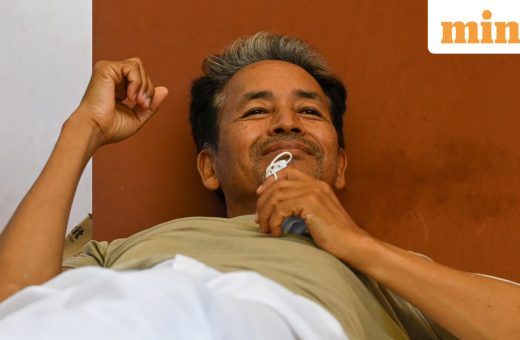
Among the three demands, the CJP seeks the immediate release of activist Sonam Wangchuk, who has been in custody due to his involvement in highlighting discrepancies in the NEET-UG exam process. The second demand calls for the resignation of Union Education Minister Dharmendra Pradhan, citing his role in overseeing the exam controversies. The third and most prominent request is a ₹1 crore compensation package for the families of NEET-UG 2026 candidates believed to have taken their own lives due to perceived unfairness in the exam system. These demands reflect a broader call for accountability and reform, as the protests continue to grow in scale and intensity.
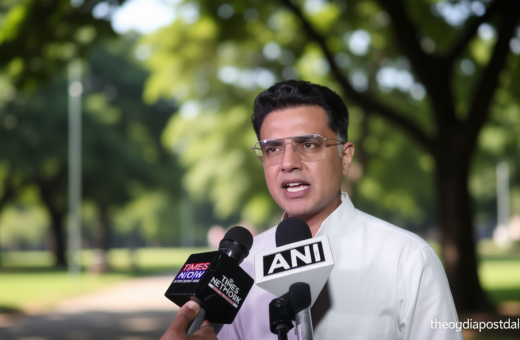
The CJP’s spokesperson, Ashutosh Ranka, stated that the meeting with Nadda was conducted in person and included a detailed discussion of each demand. While Nadda acknowledged the issues raised, he expressed the need for consultation with the BJP leadership before committing to any formal response. This delay has been met with frustration from protest organizers, who stress that timely action is critical to restoring public trust in the examination framework.
Protest Evolution and Public Participation
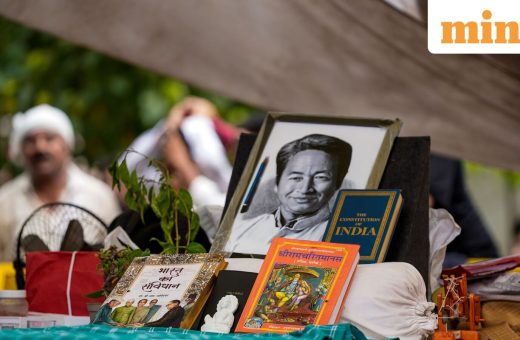
The Delhi protests, initially sparked by allegations of exam malpractice and paper leaks, have escalated into a nationwide movement. Activists and students have taken to the streets, demanding transparency and a fair resolution to the NEET-UG 2026 crisis. The hunger strike initiated by Sonam Wangchuk has been a rallying point, drawing widespread support and amplifying the call for the CJP’s demands to be addressed promptly. Protesters have gathered at key locations, including Jantar Mantar, to emphasize their commitment to the cause.
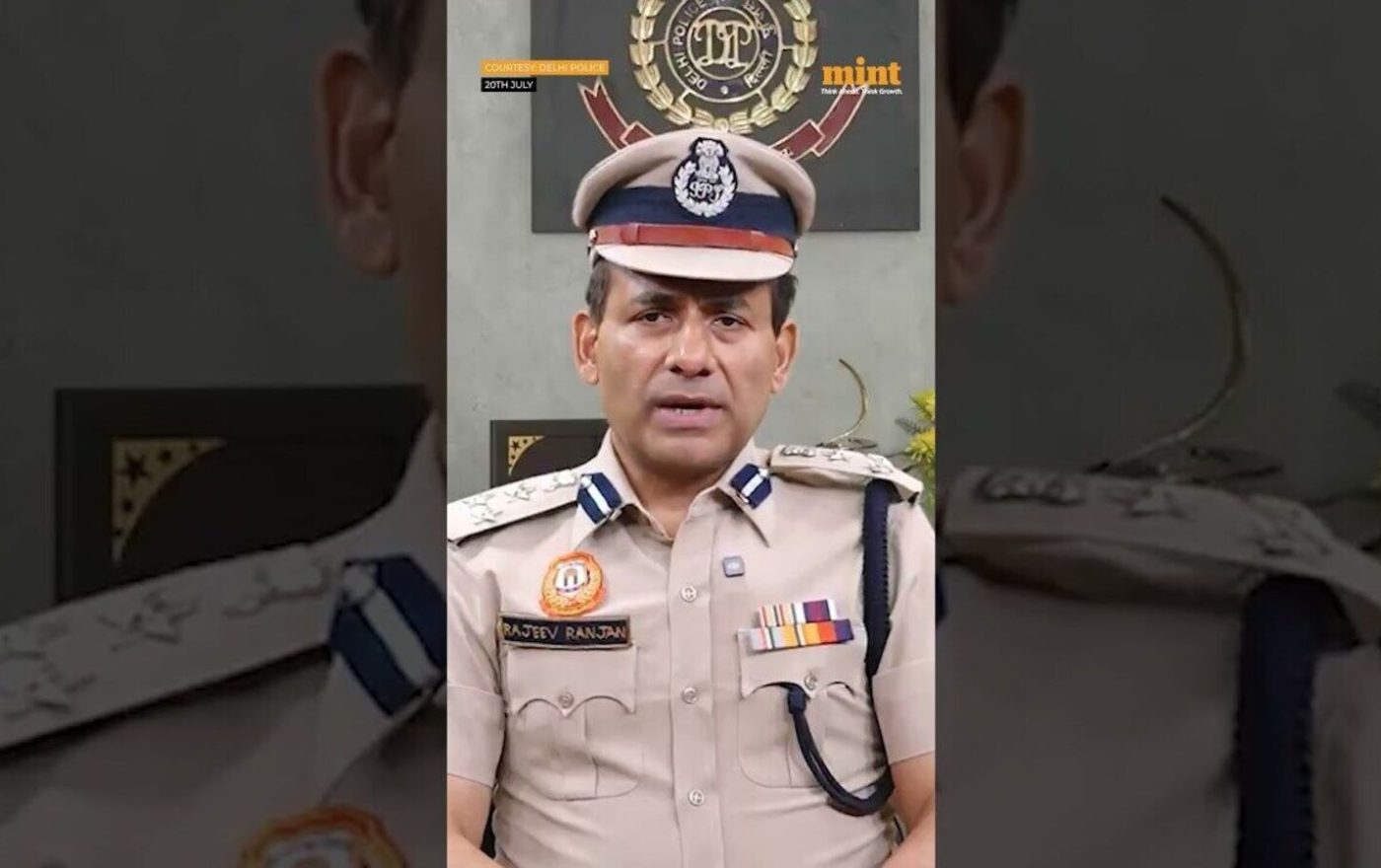
Delhi Police has clarified that the recent incidents of alleged assaults during the ‘Chalo Sansad’ protest were not as severe as initially claimed. According to an official statement, the force has denied reports of 50 demonstrators being injured, including a 12-year-old girl, stating that the claims were part of a coordinated effort to discredit their actions. Despite this, the protests have continued unabated, with thousands of participants demanding the government to act on the CJP’s proposals. The peaceful demonstrations, however, have faced intermittent clashes as tensions rise.
As the protests persist, the CJP’s demands have become a focal point for public discourse. The ₹1 crore compensation, in particular, has garnered significant attention, symbolizing the emotional and financial toll on affected families. Protest leaders argue that this gesture would not only provide relief but also signal the government’s recognition of the problem. Meanwhile, the resignation of Pradhan and the release of Wangchuk are seen as essential steps toward rectifying the system and addressing the grievances of the protestors.
JP Nadda’s response to the CJP’s demands has been cautious, with the Union Health Minister indicating a willingness to engage but highlighting the need for alignment with the BJP’s strategy. This approach has been criticized by some as a delay tactic, while others view it as a necessary step to ensure a unified government response. The CJP, however, remains resolute, asserting that the protests will continue until these demands are met. With the situation evolving rapidly, the outcome of these discussions could shape the trajectory of the Delhi protests in the coming days.
Public sentiment is divided, with some supporting the CJP’s calls for accountability and others urging patience for a thorough investigation. The protests have also drawn the attention of media outlets and social platforms, amplifying their reach and influence. As the government deliberates on the CJP’s demands, the movement underscores the growing demand for systemic reforms in education and governance. The continued presence of demonstrators at key locations, coupled with the symbolic actions of hunger strikes, highlights the deepening resolve of the protesters to see their issues resolved.