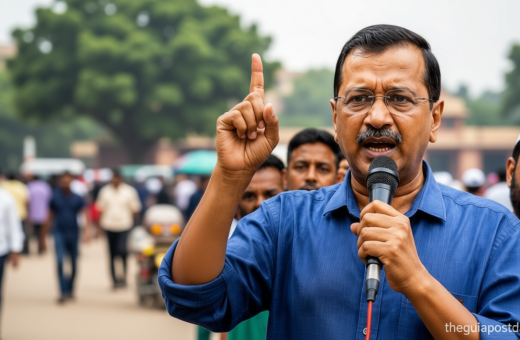
CEO Pavel Durov reacts to Telegram’s India ban till NEET re-exam — ‘Leaks just moved to other apps’
The Indian government has imposed a seven-day ban on Telegram, effective until 22 June, following
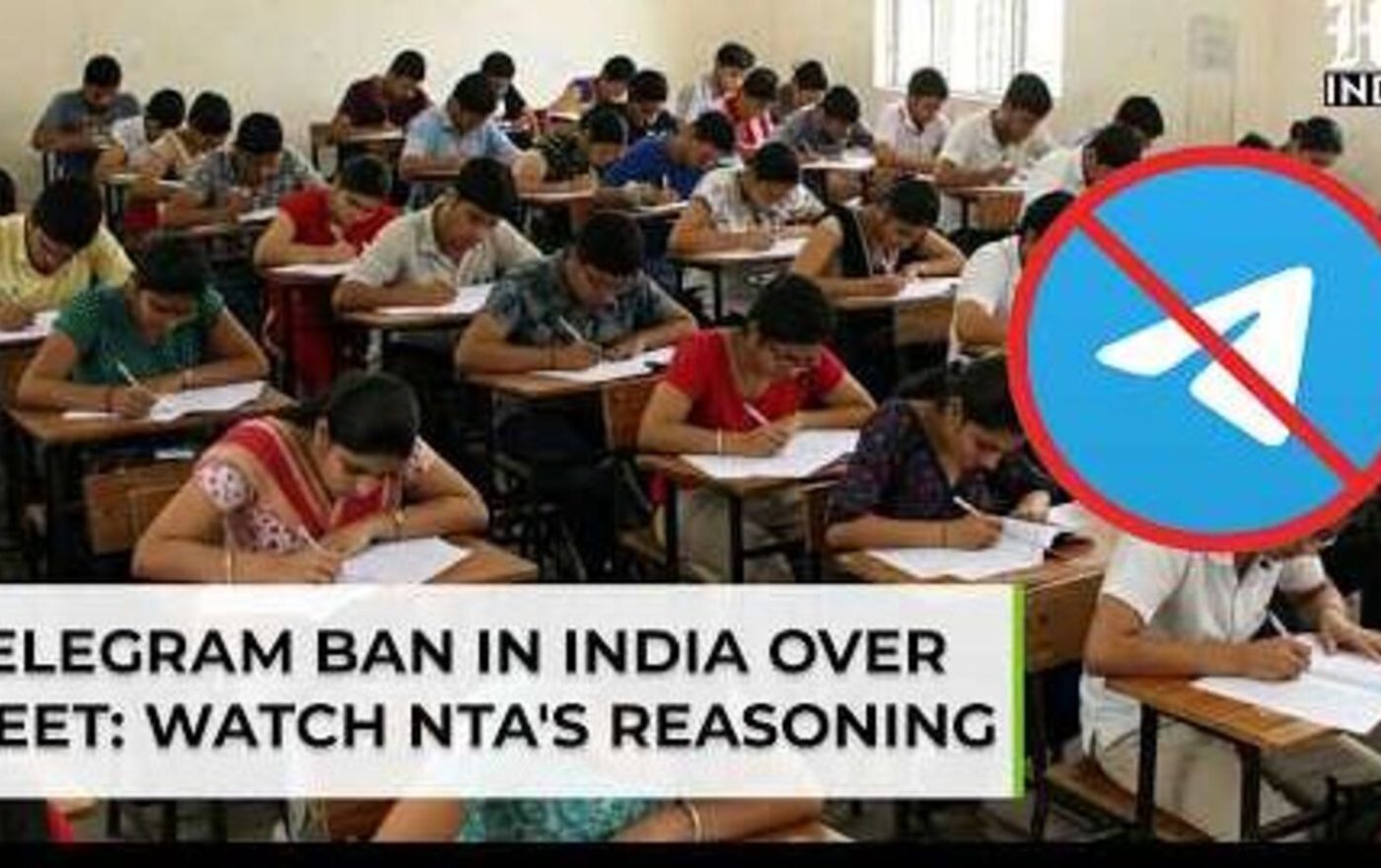
Telegram CEO Pavel Durov Comments on India’s Temporary Ban Ahead of NEET Re-Exam
Theindiapostdaily.com – The Indian government has imposed a seven-day ban on Telegram, effective until 22 June, following the re-scheduled NEET UG 2026 examination. Pavel Durov, the platform’s founder, responded to the decision, emphasizing that the restriction would not prevent the spread of leaked content, as users are reportedly shifting to alternative messaging services.
India’s Regulatory Move and Its Impact
The ban aims to curb the dissemination of exam-related misinformation and prevent cheating during the crucial medical entrance test. Durov criticized the measure, stating that it unfairly targets the broader user base rather than the specific individuals responsible for leaking questions. In a statement shared on X, he said:
“India’s IT ministry banned Telegram for one week due to leaked exam questions. This punishes 150M+ ordinary users in India — not the insiders who shared the exam material.”
Durov further argued that the ban has not curbed the spread of leaks, adding:
“The leaks just moved to other apps.”
His remarks highlight concerns about the effectiveness of the restriction in addressing the root issue.
Background of the NEET UG 2026 Controversy
The decision follows the cancellation of the original NEET UG 2026 exam on 3 May due to allegations of irregularities and a paper leak. The re-exam has been rescheduled for 21 June, with enhanced security protocols in place. Officials claim the ban targets channels used for distributing leaked information and spreading misleading content about the exam.
Government’s Legal Justification
The block was enforced under Section 69A of India’s Information Technology Act, 2000, which empowers authorities to restrict online platforms for the sake of national sovereignty and integrity. Additionally, the government directed Telegram to disable its message-editing feature for all Indian users until 30 June 2026. Tech companies like Alphabet’s Google and Apple were also instructed to temporarily remove the app from their app stores, with sources confirming compliance.
While acknowledging the inconvenience caused, the government described the measure as necessary after earlier efforts to remove specific content failed to achieve the desired results. The National Testing Agency (NTA) supported the action, stating it was essential to safeguard the exam’s credibility.
Legal Challenges and Criticisms
The Internet Freedom Foundation (IFF) has contested the legal grounds of the ban, asserting that Section 69A does not authorize the complete shutdown of an intermediary platform. In a Tuesday statement, the organization noted:
“Section 69A and the Blocking Rules of 2009 allow the government to block specific ‘information’ on a computer resource. They do not permit disabling an entire platform or redesigning its features for an entire country.”
This critique underscores debates over the balance between regulatory control and digital freedom in India’s education system.