Centre launches ‘Seafarer-First’ response amid Hormuz attacks; orders real-time tracking of Indian crew
India's Centre Launches 'Seafarer-First' Response Amid Hormuz Attacks Theindiapostdaily.com – India's central government has initiated the 'Seafarer-First' response framework to bolster maritime safety following recent attacks in the Strait of…
India’s Centre Launches ‘Seafarer-First’ Response Amid Hormuz Attacks
Theindiapostdaily.com – India’s central government has initiated the ‘Seafarer-First’ response framework to bolster maritime safety following recent attacks in the Strait of Hormuz. This initiative, announced after two Indian-flagged merchant vessels—MT Al Bahiyah and MT Mombasa—were targeted by unidentified assailants, underscores the government’s commitment to prioritizing the welfare of seafarers. The move includes the implementation of real-time tracking systems for all Indian crew members deployed on vessels operating in conflict-prone regions like the Gulf of Oman and the Persian Gulf, regardless of the ship’s nationality.
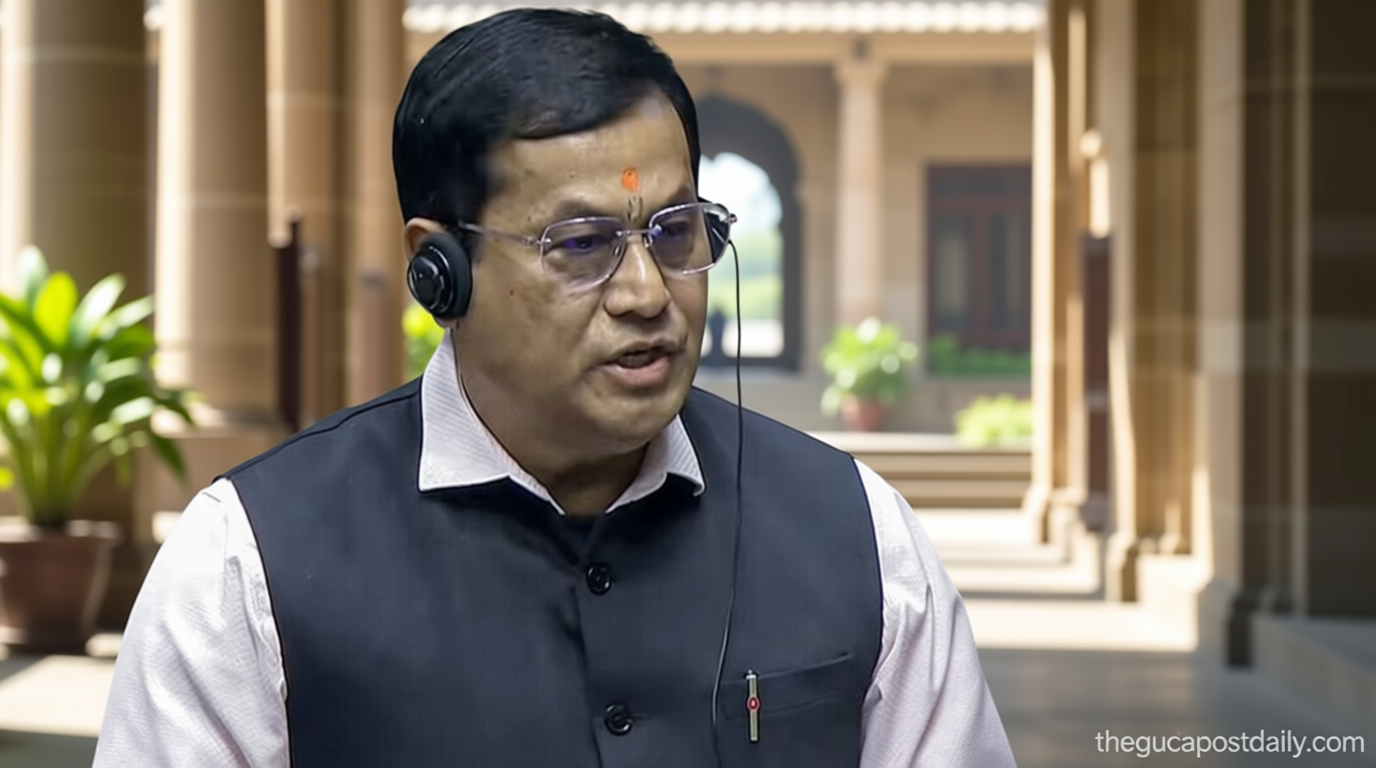
The attacks, which claimed one seafarer’s life and injured others, have intensified concerns over maritime security. Union Minister for Ports, Shipping, and Waterways Sarbananda Sonowal convened a high-level meeting to address the crisis, stressing the importance of a coordinated, seafarer-centric strategy. The ‘Seafarer-First’ response aims to ensure rapid communication, timely assistance, and enhanced vigilance for Indian mariners navigating high-risk areas. This initiative reflects India’s growing emphasis on protecting its global trade interests and the human capital behind them.
Enhanced Monitoring and Immediate Action
As part of the new strategy, the Directorate General of Shipping will deploy a vessel-specific operational dashboard to track critical parameters such as location, cargo, and crew welfare. This real-time system will provide actionable intelligence, enabling swift decision-making to mitigate risks. The dashboard will also assess threat levels and monitor the next ports of call, offering a comprehensive overview of each ship’s status. Such a tool is designed to streamline responses during emergencies and ensure accountability at every level.
“The safety of Indian seafarers is non-negotiable,” said Sonowal, who emphasized the need for proactive measures in response to escalating tensions. “Every seafarer is a vital link in our global supply chains, and their protection is our top priority.”
The government has also established a 24/7 coordination system with liaison officers assigned to each affected seafarer. These officers will serve as a direct point of contact for families, handling medical updates, travel documents, and financial support from the Seafarers Welfare Fund. This personalized approach aims to reduce the burden on families during crises and ensure they receive timely assistance. The initiative aligns with broader efforts to strengthen India’s maritime resilience and support its crew in hostile environments.
Collaboration Across Government Agencies
The ‘Seafarer-First’ response has prompted cross-agency collaboration, involving the Ministry of External Affairs, the Indian Navy, and diplomatic missions in Iran and Oman. Officials from these bodies evaluated the security situation and India’s readiness to counter future threats. The review highlighted the need for integrated protocols to protect Indian crew members, both on the water and ashore. This teamwork ensures that security assessments, rescue operations, and communication strategies are aligned across sectors.
Additionally, the government has mandated fresh security evaluations for all vessels entering conflict zones before departure. Ship captains and relevant authorities must approve the route, ensuring crew members are briefed on potential risks and emergency procedures. This measure not only enhances preparedness but also reinforces the government’s proactive stance in safeguarding its maritime workforce. The focus on real-time tracking and coordinated action reflects a multi-pronged approach to address security challenges effectively.
India has strongly condemned the attacks, calling them a deliberate assault on maritime security and global trade. Sonowal reiterated the nation’s resolve to support seafarers and their families, noting that these individuals are essential to maintaining the flow of goods and services worldwide. The government has also activated round-the-clock helplines, WhatsApp channels, and email services to address concerns from seafarers and their loved ones, both within India and abroad. These communication tools aim to bridge gaps in information and provide immediate relief during crises.
Looking ahead, the ‘Seafarer-First’ response is expected to serve as a model for future maritime security protocols. By integrating technology, human resources, and inter-agency coordination, the initiative seeks to create a robust framework for protecting Indian seafarers. The government’s emphasis on real-time tracking and personalized support highlights its commitment to addressing vulnerabilities and ensuring the safety of its maritime personnel in an increasingly volatile environment.