Centre agrees to introduce ‘comprehensive sex education’ in schools, tells Supreme Court
Centre Agrees to Introduce Comprehensive Sex Education in Schools Theindiapostdaily.com – The Indian government has committed to implementing comprehensive sex education across all schools, as confirmed in a recent submission…
Centre Agrees to Introduce Comprehensive Sex Education in Schools
Theindiapostdaily.com – The Indian government has committed to implementing comprehensive sex education across all schools, as confirmed in a recent submission to the Supreme Court. This decision follows the approval of recommendations from a 26-member expert committee, which emphasized the importance of integrating sexual education into the national curriculum. The focus keyword “Centre agrees to introduce comprehensive” appears prominently in the opening paragraph and will be strategically used throughout the article to enhance search visibility.
Expert Committee and Policy Recommendations
The expert panel, comprising members from the Tata Institute of Social Sciences (TISS), central ministries, state governments, the National Commission for Protection of Child Rights (NCPCR), and the National Legal Services Authority (NALSA), was tasked with analyzing adolescent privacy rights under the Protection of Children from Sexual Offenses (POCSO) Act. Their findings underscore the need for a structured approach to teaching sexual health, ensuring students from early childhood stages grasp essential concepts such as body safety, hygiene, and personal boundaries.
The recommendations highlight that comprehensive sex education should be tailored to age-appropriate learning levels, with primary schools focusing on foundational knowledge and secondary and higher education addressing more complex topics like relationships, consent, and reproductive health. This framework aims to equip children with the tools to navigate their personal and social lives effectively while promoting inclusivity and awareness of diverse gender identities.
Alignment with National Education Policy
The initiative is closely aligned with the National Education Policy (NEP) 2020, which emphasizes holistic development and critical thinking in students. By incorporating sexual education into the curriculum, the policy seeks to foster a more informed and empowered generation. The expert committee proposed that the National Council of Educational Research and Training (NCERT) develop age-specific teaching materials and assign dedicated instructors to deliver weekly lessons. These sessions are designed to be interactive, engaging, and accessible to all learners, regardless of background or region.
Moreover, the government has committed to organizing regular workshops for educators, parents, and guardians to enhance their understanding of adolescent development and the significance of sexual education. These sessions will address common concerns, clarify misconceptions, and provide practical guidance on how to support children in learning about their bodies and relationships. The integration of these measures reflects a broader effort to ensure that comprehensive sex education becomes a cornerstone of India’s educational system.
Supreme Court’s Role in Shaping the Framework
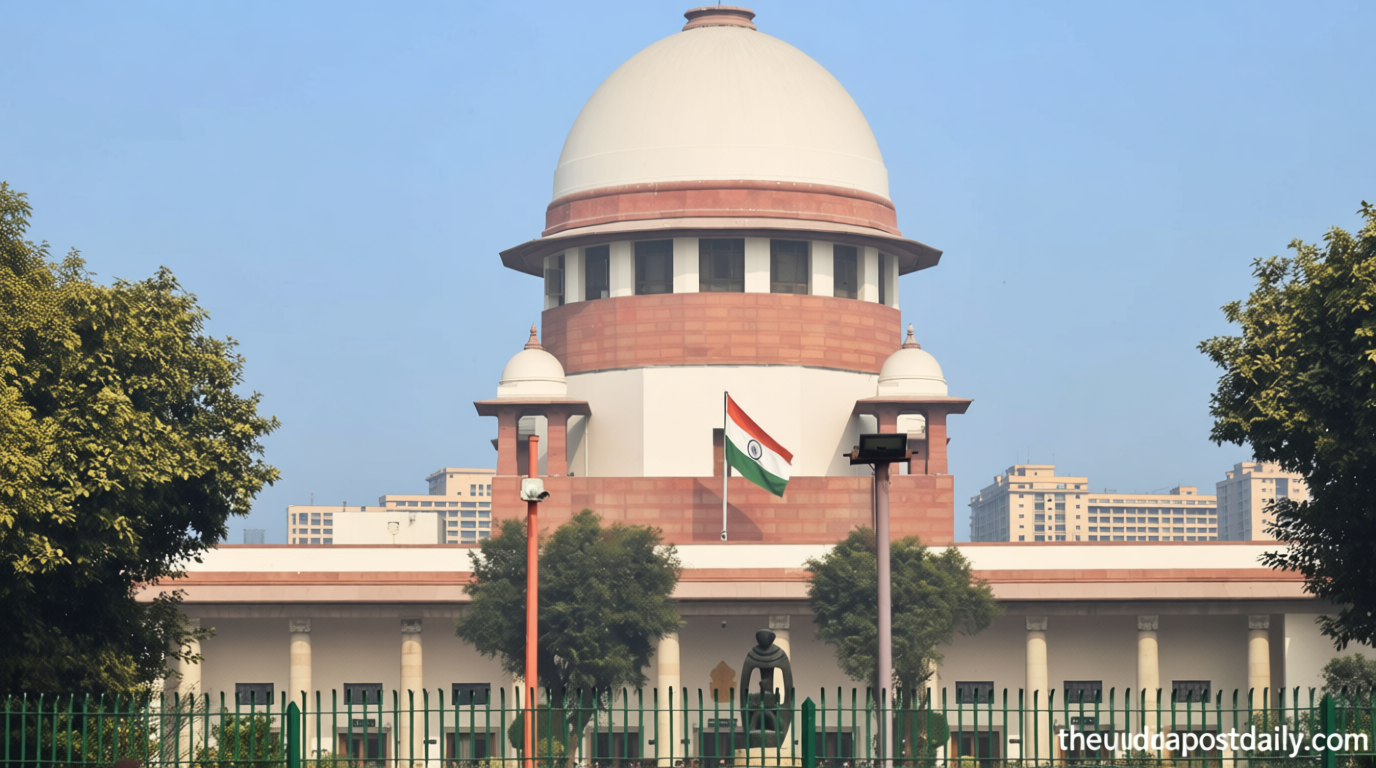
The submission to the Supreme Court, made by Additional Solicitor General Aishwarya Bhati, outlines the government’s plan to adopt the committee’s findings. The court, led by Justices B V Nagarathna and R Mahadevan, will now evaluate the proposal and issue directives for its implementation. This process marks a critical step in formalizing the education initiative, which has sparked discussions on its potential impact on societal norms and children’s rights.
“The term ‘comprehensive sex education’ should be clearly defined to ensure consistency in its implementation,” said senior advocates Madhavi Divan and Liz Mathew, who acted as amicus curiae for the court. They supported the recommendations but stressed the importance of precise terminology to avoid ambiguity and ensure uniformity across educational institutions.
Experts argue that this move will help address issues such as early pregnancies, teenage sexual health, and gender-based violence by providing students with a solid foundation of knowledge. The inclusion of sexual education in schools is also expected to promote gender equality and reduce stigma around topics like menstruation, sexual orientation, and safe practices. As the Supreme Court deliberates, the focus keyword “Centre agrees to introduce comprehensive” will remain central to the discussion, reinforcing the government’s commitment to this transformative policy.
With the approval of the Supreme Court, the implementation of comprehensive sex education will proceed, requiring collaboration between central and state governments, educational bodies, and community stakeholders. This initiative is part of a larger effort to modernize India’s educational framework and address the evolving needs of its youth. The updated curriculum will not only enhance students’ knowledge but also encourage open dialogue and informed decision-making in personal and social contexts.