CAG flags ₹3,541 crore excess spend, ₹15,586 crore fund parking in Maharashtra’s Ladki Bahin Yojana
CAG Flags ₹3,541 Crore Excess Spend in Maharashtra’s Ladki Bahin Scheme Theindiapostdaily.com – The Comptroller and Auditor General (CAG) has raised serious concerns over ₹3,541 crore in excess spending and…
CAG Flags ₹3,541 Crore Excess Spend in Maharashtra’s Ladki Bahin Scheme
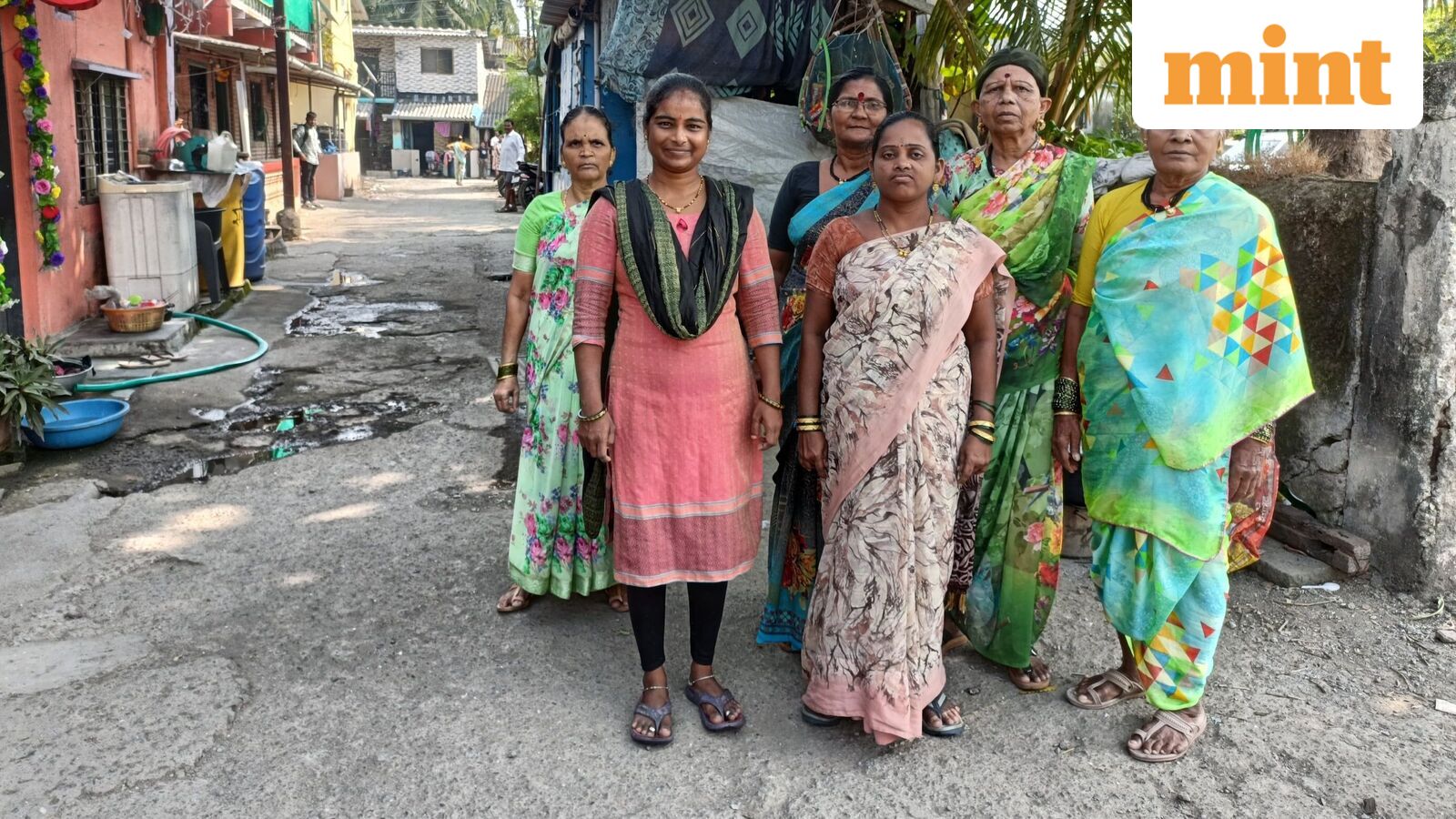
Theindiapostdaily.com – The Comptroller and Auditor General (CAG) has raised serious concerns over ₹3,541 crore in excess spending and ₹15,586 crore in unutilized funds parked in Virtual Personal Deposit Accounts (VPDAs) under Maharashtra’s Ladki Bahin Yojana. The recent audit report, released by the CAG, highlights a critical gap in financial oversight, revealing that the state government allocated ₹33,237.24 crore for the scheme, exceeding the approved budget of ₹29,693.09 crore. This discrepancy has sparked debates about the efficiency of welfare spending and the need for stronger fiscal management in public programs. The scheme, which aims to empower women aged 21 to 65 through direct monthly benefits of ₹1,500, was launched on 28 June 2024 as part of the state’s broader strategy to address socio-economic challenges.
Key Findings of the CAG Audit
The CAG’s report underscores two primary issues: over-expenditure and delayed utilization of funds. The first problem emerged as the state department allocated ₹3,541 crore more than the sanctioned budget, likely due to insufficient planning or unanticipated costs. The second issue involves ₹15,586 crore in funds that were withdrawn from the treasury in the first quarter of 2025 but not immediately spent, as they were redirected to VPDAs. These accounts, designed to facilitate direct benefit transfers (DBT), were not being used for their intended purpose, according to the audit. The CAG emphasized that such practices undermine transparency and risk the misallocation of public resources.
“The allocation of ₹3,541 crore in excess spending indicates a lack of financial discipline, while the parking of ₹15,586 crore in VPDAs highlights poor execution of welfare schemes,” the CAG noted in its findings.
This raises questions about how the state ensures that funds are distributed effectively to the target beneficiaries. The audit also criticized the absence of clear justification for the additional spending, leaving room for potential misuse or inefficiency in the scheme’s implementation.
Impact of Excess Spending and Fund Parking
The Ladki Bahin Yojana, a flagship initiative of the Women and Child Development Department, has been central to Maharashtra’s efforts to uplift women economically. However, the CAG’s report suggests that the scheme’s budgetary flexibility may have led to overspending. The excess funds were reportedly allocated for administrative costs, infrastructure development, or unforeseen contingencies. Yet, the lack of accountability for these expenses has drawn criticism from financial experts. Additionally, the parking of ₹15,586 crore in VPDAs for an extended period indicates a disconnect between budget formulation and actual implementation, with funds sitting idle instead of reaching the intended recipients.
“Maharashtra’s decision to park ₹15,586 crore in VPDAs without immediate utilization reflects a failure to align with the principles of timely fiscal action,” the CAG stated.
This delay could have implications for the scheme’s reach and impact, especially in a state where over 50 million women are eligible for benefits. The audit also points to a broader trend in welfare spending, where direct benefit transfers have replaced traditional asset creation, potentially altering the way public funds are managed and monitored.
Recommendations for Strengthening Financial Discipline
In response to these findings, the CAG has called for stricter fiscal controls and improved transparency in the Ladki Bahin Yojana. One key recommendation is to ensure that all treasury withdrawals are directly tied to current expenditure needs, preventing funds from being retained unnecessarily. The report also urges the state government to establish clearer mechanisms for tracking the utilization of funds, including regular audits and real-time monitoring systems. These steps are critical to maintaining public trust in welfare programs and ensuring that resources are used efficiently. Additionally, the CAG emphasized the need for more rigorous budget assessments, particularly for large-scale DBT initiatives like the Ladki Bahin scheme, to avoid similar discrepancies in the future.
“The CAG flags 3 541 crore excess spend as a red flag for fiscal mismanagement, and the ₹15,586 crore fund parking reveals a need for enhanced oversight mechanisms,” the report concluded.
The findings serve as a cautionary tale for other states adopting similar welfare strategies, highlighting the importance of aligning budget planning with practical implementation. By addressing these issues, Maharashtra can strengthen its financial framework and ensure that its welfare initiatives remain effective and accountable.
Future Steps for Fiscal Accountability
Following the CAG’s recommendations, the Maharashtra government is expected to review its financial management practices and implement corrective measures. These could include revising the budgetary allocation process to incorporate more precise forecasts and revisiting the use of VPDAs for fund parking. Additionally, the state may need to conduct internal audits to identify the root causes of the excess spending and ensure that future allocations are justified and monitored closely. The CAG’s emphasis on fiscal discipline underscores the importance of accountability in public spending, especially for schemes targeting vulnerable groups such as women.
As the audit report highlights, the Ladki Bahin Yojana’s success hinges on its ability to deliver benefits efficiently. The excess spending and fund parking issues not only affect the program’s immediate effectiveness but also signal a need for systemic improvements in how the state manages its financial resources. By addressing these concerns, Maharashtra can set a precedent for better fiscal governance in welfare schemes across the country, ensuring that every rupee allocated serves its intended purpose without unnecessary delays or overspending.