‘Body unrefrigerated, used cold water bottles:’ Seamen as Indian sailor dies on ship docked in Oman
An Indian sailor, Nishanth Uirthanathan, died while serving aboard the MT Celestial
Indian Sailor Dies on Ship in Oman as Body Remains Unrefrigerated
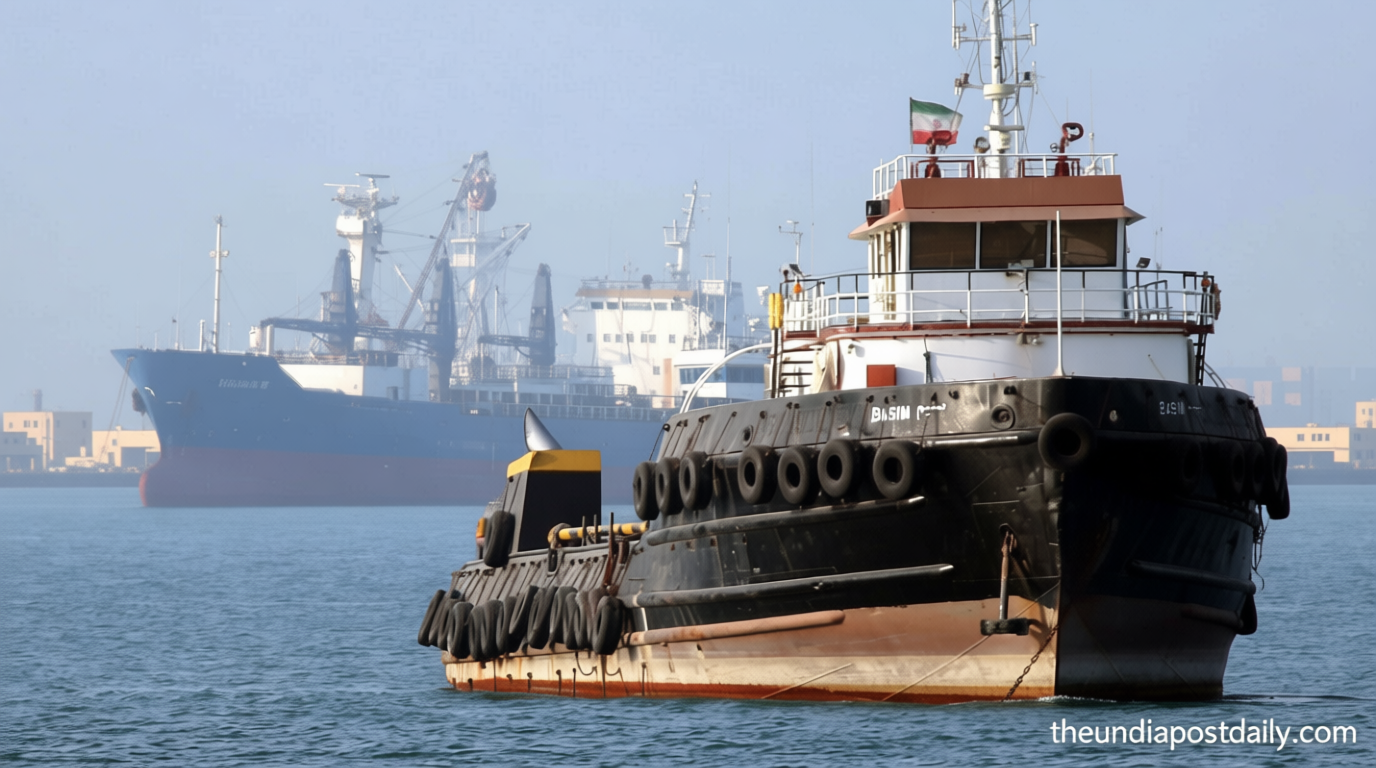
Theindiapostdaily.com – An Indian sailor, Nishanth Uirthanathan, died while serving aboard the MT Celestial vessel, which was docked at Duqm Port in Oman. The tragic incident has raised serious concerns about the handling of the deceased’s remains, with reports indicating that the body was left unrefrigerated for over two days. Crew members reportedly resorted to using cold water bottles to slow decomposition, a practice that has sparked public outrage and questions about the treatment of Indian seafarers abroad.
Discrepancy in Body Care Sparks Debate
“Body unrefrigerated used cold water bottles,” the Forward Seamen’s Union of India highlighted on social media, emphasizing the grim conditions faced by the sailor’s family and colleagues. The union’s statement underscores the urgency of proper protocols for preserving remains, especially in the context of a global workforce of over 300,000 Indian seafarers, many of whom are deployed in regions like West Asia.
The delay in refrigerating the body has drawn comparisons to past incidents, with critics pointing to the lack of standardization in maritime emergency procedures. While the Indian embassy in Muscat has pledged to expedite the remains’ return to India, the incident has intensified scrutiny over the welfare of seafarers and the adequacy of onboard medical facilities.
Context of the Tragic Event
The death of Nishanth Uirthanathan occurs amid heightened tensions between India and the U.S., following a recent strike that killed three Indian crew members on a tanker near Oman. This incident has amplified demands for accountability, with opposition groups urging Prime Minister Narendra Modi to address the issue during the upcoming Group of Seven summit. The tragedy also coincides with India’s decision to file a second diplomatic protest against the U.S. for its role in the strike.
Officials from India’s shipping ministry have acknowledged the importance of the maritime workforce, which contributes significantly to the nation’s economy. However, the current situation highlights the vulnerabilities of seafarers in remote locations. With over 18,000 Indian workers operating in West Asia alone, the incident serves as a stark reminder of the need for improved emergency response systems and better living conditions at sea.
The use of cold water bottles to preserve the body reflects not only a lack of resources but also a possible failure in communication between the crew and shore-based authorities. This has led to calls for a comprehensive review of protocols governing the care of deceased seafarers, ensuring that their remains are treated with dignity and promptness. The Indian government has since emphasized its commitment to addressing these concerns, though the details of the incident remain under investigation.
Broader Implications for Seafarers’ Welfare
As the focus shifts to the treatment of the deceased, the incident has also reignited discussions about the working conditions of seafarers in the Middle East. With long hours, limited access to medical care, and sometimes harsh environmental conditions, the case of Nishanth Uirthanathan has become a symbol of the challenges faced by these workers. Advocacy groups are now pushing for stricter regulations to ensure that such tragedies are minimized.
The tragedy has further strained India’s diplomatic relations with Oman, as the delay in handling the remains has been perceived as a lapse in respect for the deceased. Meanwhile, the global shipping community is watching closely, with some experts suggesting that the incident could set a precedent for improved practices in maritime operations. The focus keyword “body unrefrigerated used cold water” has become central to the narrative, highlighting the critical need for better preservation methods in emergencies.