Army sets trap to nab 21-year-old disguised as Brigadier — What we know about sting operation to catch the NEET aspirant
Army Uses Sting Operation to Nab 21-Year-Old NEET Aspirant Disguised as Brigadier Unexpected Scandal Unveiled Army sets trap to nab 21 year - Army sets trap
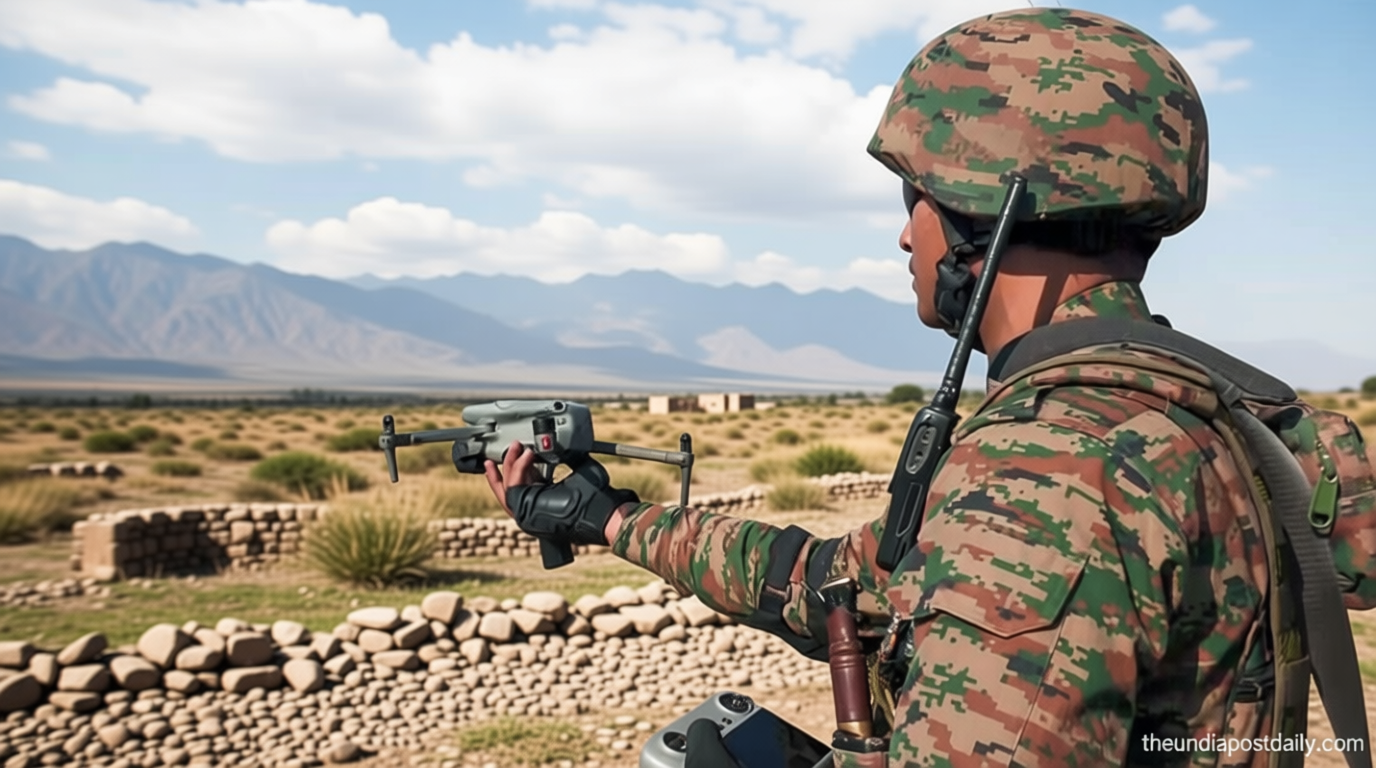
Army Uses Sting Operation to Nab 21-Year-Old NEET Aspirant Disguised as Brigadier
Unexpected Scandal Unveiled
Theindiapostdaily.com – Army sets trap to nab 21-year-old NEET aspirant as a shocking sting operation revealed the identity of a young man who had been impersonating a Brigadier. The incident, which took place in Shahjahanpur and nearby areas, exposed a clever deception that involved the use of military uniforms, forged documents, and a carefully planned setup to catch the individual in the act. The accused, identified as Aryan Verma, had been circulating as a high-ranking officer for months, leveraging his false credentials to gain trust and attention. This operation not only highlights the ingenuity of the Army in uncovering fraud but also underscores the growing concerns about identity theft in competitive exams.
Who Was Aryan Verma?
Aryan Verma, a 21-year-old from Shahjahanpur, was reportedly the son of a horticulture department officer. His background, combined with his aspirations for the National Eligibility-cum-Entrance Test (NEET), made him a prime candidate for such a scheme. While preparing for the national medical entrance exam, Verma had allegedly taken on the persona of a Brigadier, donning ceremonial regalia and using a forged government ID to mimic the authority of a senior military official. His mother, a schoolteacher, was said to have played a supportive role in his ambitions. This case raises questions about the lengths to which individuals might go to secure an advantage in high-stakes exams.
The Operation’s Strategic Execution
Army officials executed a meticulous plan to expose Verma’s ruse, presenting themselves as civilians to lure him into a controlled environment. The operation centered around an invitation for Verma to deliver a motivational speech at the Shaheed Museum in Shahjahanpur Cantonment. On the day of the event, he arrived in an SUV, asserting he had received exclusive security clearance for the occasion. Flanked by two bouncers introduced as National Security Guard (NSG) commandos, Verma maintained his disguise with military insignia and flags adorning his vehicle. This setup not only highlighted the Army’s operational precision but also demonstrated how easily a fake identity can infiltrate public spaces and gain credibility.
“Once the Army completes its inquiry and transfers custody to the police, an FIR will be registered and a comprehensive investigation will be carried out,” HT quoted Superintendent of Police Saurabh Dixit as saying. The police are now working alongside Army Intelligence to trace the origins of the forged materials and determine if the impersonation was a solo effort or part of a larger conspiracy.
Forged Items and Evidence Seized
During the operation, authorities confiscated several key items that proved the extent of Verma’s deception. These included a counterfeit government ID, an Army regimental cane, and a fake pistol. One of the most striking pieces of evidence was a photograph of a prominent military officer, which was believed to be part of an identity card bearing the seal of the Armed Forces Medical College’s dean. The documents, along with the uniform, are currently under scrutiny to confirm their authenticity. This seizure not only provided concrete proof of the impersonation but also set the stage for a deeper investigation into the motives behind the fraud.
Implications for the NEET System
The case has sparked a nationwide debate about the integrity of the NEET exam, which is a critical gateway for aspiring medical professionals in India. With thousands of candidates competing for limited seats, the discovery of a 21-year-old impersonating a Brigadier raises concerns about the potential for fraudulent activities to influence exam outcomes. Authorities are now emphasizing the need for stricter verification processes to prevent similar incidents. Additionally, the incident underscores the growing trend of individuals adopting false identities to exploit systems and gain an unfair edge. As the investigation unfolds, it may lead to reforms in how candidates are authenticated and monitored during the selection process.
Public Reaction and Broader Impact
News of the sting operation has garnered significant public attention, with many expressing disbelief at the level of deception involved. Social media platforms have been abuzz with discussions about how such a ruse could have gone unnoticed for so long. The case also highlights the blurred lines between civilian and military roles, as Verma’s impersonation led to a situation where his actions could have affected both the Army’s reputation and the credibility of the NEET process. Experts suggest that this incident serves as a reminder of the importance of cross-departmental collaboration to detect and address such fraud. The outcome of this case may influence future policies and strategies to ensure transparency and accountability in high-stakes examinations and military operations alike.