Amid CJP protest, BJP chief Nitin Nabin says India’s Gen Z are nation builders, not ‘tukde tukde’ mindset
Amid CJP Protest, BJP Chief Nitin Nabin Emphasizes Gen Z's Role in Nation-Building Theindiapostdaily.com – As the Cockroach Janata Party (CJP) continues to draw public attention through its recent protests,…
Amid CJP Protest, BJP Chief Nitin Nabin Emphasizes Gen Z’s Role in Nation-Building
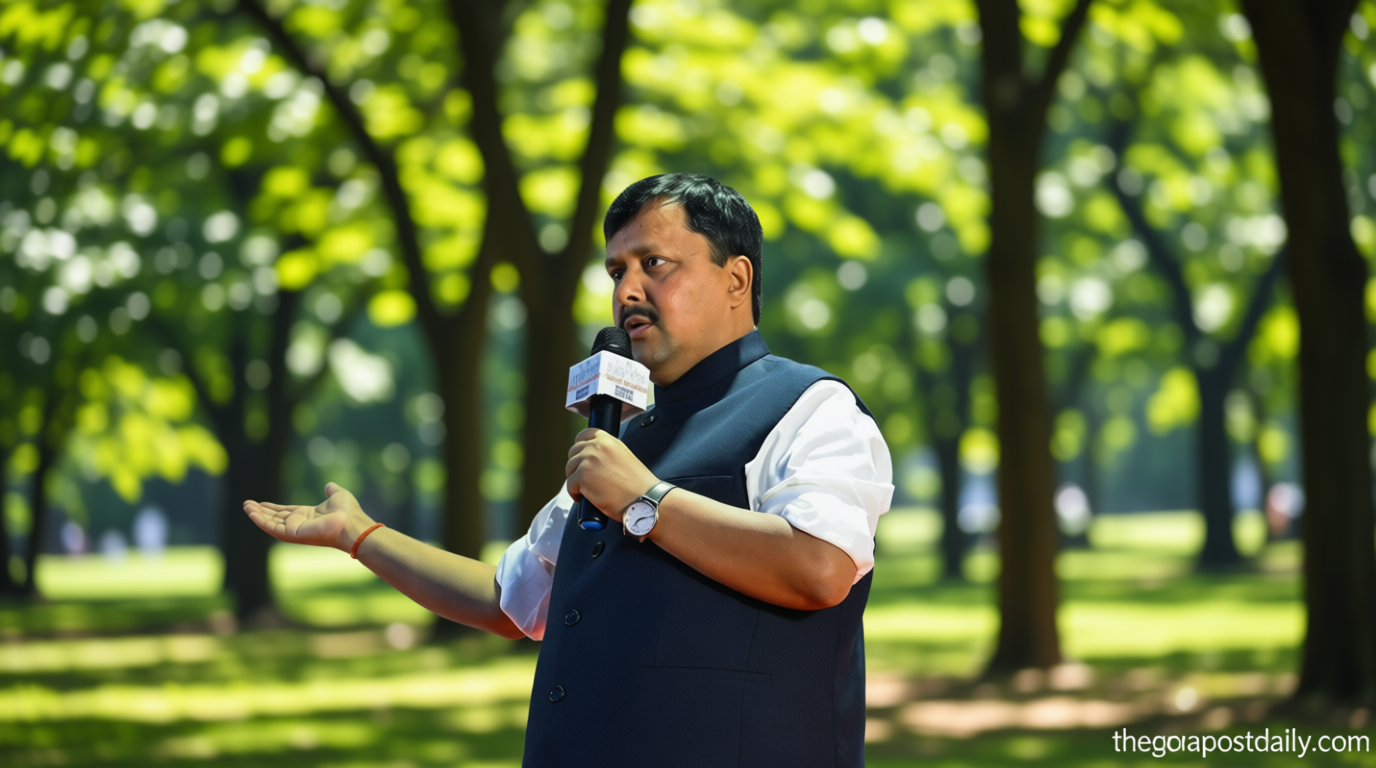
Theindiapostdaily.com – As the Cockroach Janata Party (CJP) continues to draw public attention through its recent protests, BJP national president Nitin Nabin has stepped forward to defend the younger generation’s commitment to national progress. Speaking during his three-day visit to Telangana, Nabin asserted that India’s Gen Z are not the divisive forces some opposition groups claim—they are the driving force behind a unified and forward-thinking nation. His remarks come amid growing debates about the role of youth in shaping India’s political and economic future, particularly in light of the CJP’s criticism of policies like the NEET paper leak.
BJP’s Strategic Messaging and Gen Z’s Aspirations
Nitin Nabin’s address to students at the Viksit Bharat Students Conclave in Hyderabad underscored the party’s efforts to reframe the narrative around youth activism. He highlighted how Gen Z, unlike those associated with the so-called “tukde tukde” (break, break) mindset, are focused on constructive contributions rather than mere dissent. “They are not critics who question the Constitution or culture,” Nabin stated, “but individuals building their careers and driving national progress.” His message aimed to counter perceptions that young Indians are apathetic or politically unstable.
“No one is questioning the aspirations of Gen Z. Some opposition groups are trying to mimic foreign youth movements, but Indian youth are not anti-establishment. They reject chaos and are committed to building a strong nation,” Nabin added, emphasizing the importance of self-belief and purpose among young citizens.
The CJP’s protests, which began on June 20, have centered around allegations of exam paper leaks and broader dissatisfaction with the education system. Founded by Abhijeet Dipke, the movement has gained traction through social media and grassroots mobilization, drawing comparisons to student-led uprisings in other countries. Nabin’s intervention sought to position the BJP as the party best equipped to address these concerns, while also reinforcing the idea that the current youth generation is more aligned with stability and growth.
“The real Gen Z is not defined by dissent but by dedication. They are the ones who create value, not spread division,” Nabin remarked, highlighting the importance of self-belief and focus among young Indians.
Contrasting Past and Present Youth Movements
Nabin’s speech also drew a sharp contrast between the youth of the past and today’s generation. He noted that younger Indians are now excelling in fields like technology, sports, and education, with examples such as Kashmir’s youth competing in the Ranji Trophy and participating in national service programs. “They are not the stone-pelters of old, but builders of the future,” he said, pointing to their active involvement in initiatives that promote India’s development. This narrative aligns with the BJP’s broader vision of a cohesive, aspirational society.
Earlier this month, Nabin had already stressed the significance of India’s demographic dividend, calling it the country’s greatest asset. “Modi’s Start-Up India mission has given youth opportunities to innovate and contribute to a developed Bharat,” he explained. By linking the CJP protests to the broader themes of national progress, Nabin aims to rally support for the party’s policies while discrediting opposition claims about Gen Z’s intentions.
“Amid CJP protest, BJP chief Nitin Nabin reminds us that the youth are not the enemy—they are the backbone of India’s future,” he concluded, reinforcing his call for unity and shared goals.
The CJP’s demand for the resignation of Education Minister Dharmendra Pradhan has sparked discussions about accountability in governance. While the protests initially focused on paper leaks, they have since evolved into a platform for expressing frustration with systemic issues in education and governance. Nabin’s response seeks to position the BJP as the party that understands and supports the aspirations of Gen Z, contrasting with the CJP’s portrayal of youth as fragmented and disengaged.
With his visit to Telangana concluding on June 30, Nabin’s statements mark a strategic attempt to influence public perception and strengthen the BJP’s appeal to younger voters. By framing Gen Z as the nation’s builders, he aims to counter narratives that equate youth activism with chaos, while also reinforcing the party’s commitment to creating opportunities for the next generation. As the protests continue, the debate over the role of youth in India’s development is likely to intensify, shaping the political landscape for years to come.