Airfares may climb up to 25% with doubling of fuel costs in 2026: Report
Airfares may climb up to 25% with doubling of fuel costs in 2026: Report The Rising Cost of Aviation Fuel Airfares may climb up to 25 - According to a…
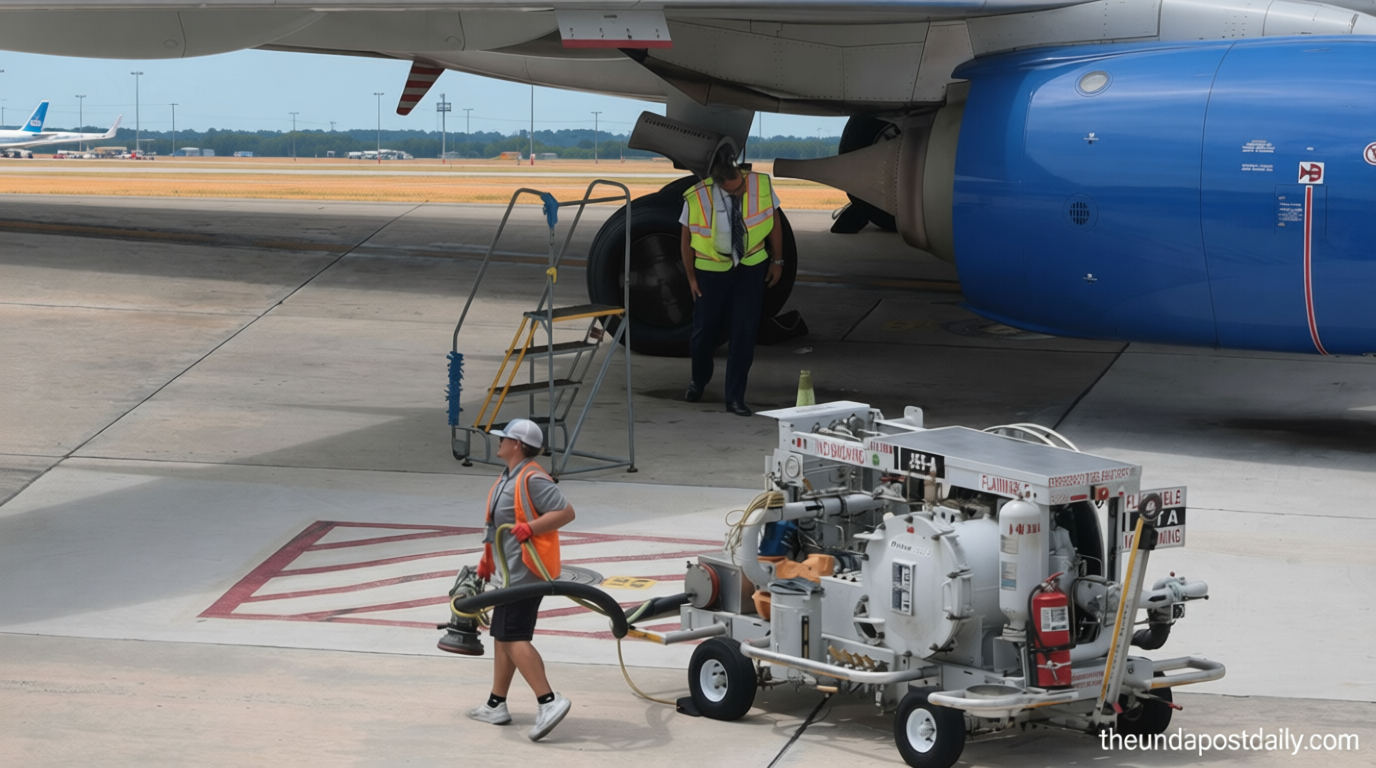
Airfares may climb up to 25% with doubling of fuel costs in 2026: Report
The Rising Cost of Aviation Fuel
Theindiapostdaily.com – According to a recent McKinsey report, the potential for airfares to rise by up to 25% in 2026 is closely tied to the anticipated doubling of jet fuel costs. This projection comes amid growing concerns over global energy markets, where geopolitical tensions and refinery capacity constraints are creating a perfect storm of supply disruptions. The analysis highlights that airlines, which typically allocate around 30% of their operating expenses to fuel, are bracing for significant price increases as the cost of aviation fuel surges. Such a shift could ripple through the industry, affecting everything from ticket pricing to route planning and service offerings.
The report underscores that the jet fuel crack spread—a critical measure of refining profitability—has historically averaged less than $20 per barrel. However, this metric is projected to exceed $50 per barrel by 2026, driven by a combination of reduced production from major exporters and rising demand. Asian countries, including China, India, and South Korea, have cut back on fuel exports due to regional conflicts, exacerbating the supply crunch. Meanwhile, demand is expected to spike as the summer travel season approaches, with airlines anticipating higher passenger volumes and cargo loads. These factors are pushing the crack spread to record levels, signaling a sharp increase in the cost of producing jet fuel.
“In recent history, the jet fuel crack spread has tended to linger around $20 per barrel or less, but in 2026, it could end up averaging more than $50 per barrel,”
The report’s warning is rooted in the current state of the crude oil market. With supply-side bottlenecks intensifying, the cost of refining crude oil into jet fuel has risen dramatically. This is particularly concerning for airlines, as fuel expenses directly influence ticket prices. Even though increased tanker traffic through the Strait of Hormuz might provide temporary relief, the McKinsey analysis suggests that these measures are unlikely to fully offset the long-term price pressures. As a result, airlines may have to pass on these higher costs to passengers, leading to a noticeable upward trend in airfares.
Global Supply Chain and Regional Impacts
Geopolitical instability is a key contributor to the current fuel price volatility. The Middle East, a major hub for oil production and refining, has seen disruptions due to conflicts and logistical challenges, reducing its ability to meet global demand. In Asia, where 40% of the world’s jet fuel supply originates, export cuts have further tightened the market. These reductions are not just temporary; they reflect long-term shifts in production strategies and export policies, which are compounding the issue. As a result, even with improved supply conditions, the price of jet fuel is expected to remain elevated for several months, maintaining the pressure on airline budgets.
Refineries, which are already operating at near-maximum capacity, face additional constraints in scaling up production. The report notes that while some facilities may increase output to meet rising demand, their ability to do so is limited by aging infrastructure and maintenance schedules. This capacity crunch is particularly acute in regions like the Gulf, where refining margins have already reached historic highs. The McKinsey team warns that without substantial investment in new refinery projects or expansion of existing ones, the upward trajectory of fuel costs is likely to persist, affecting global air travel affordability.
How Airlines Are Preparing for the 25% Increase
The projected 25% rise in airfares has prompted airlines to adopt various strategies to manage their financial risks. Some carriers are exploring cost-cutting measures, such as optimizing fuel procurement through long-term contracts or hedging against price fluctuations. Others are adjusting their pricing models to account for the increased operational costs, potentially leading to dynamic fare changes based on route demand and seasonal trends. However, these efforts may not be sufficient to fully absorb the higher fuel expenses, especially as the crack spread continues to widen. The McKinsey report suggests that airlines could face a scenario where fare hikes are inevitable, even if they implement cost-saving initiatives.
The 25% increase in airfares is also expected to influence consumer behavior. With rising travel costs, passengers may opt for alternative modes of transportation, such as trains or buses, for shorter distances. This shift could reduce demand for air travel, prompting airlines to reconsider their routes and schedules. The report also highlights that the impact of higher fuel prices may vary across regions, with long-haul flights being more affected than short-haul routes. As a result, the airline industry may need to adapt its business models to remain competitive in a market where fuel costs are a dominant factor.
Despite the challenges, the report acknowledges that the aviation sector is resilient. Airlines have already demonstrated their ability to navigate previous fuel price surges, and the current situation is no different. However, the combination of higher costs and increased demand is expected to create a more pronounced effect in 2026. The McKinsey analysis also notes that the full impact of the fuel price doubling may not be felt immediately, as carriers work to adjust their pricing strategies and operational efficiencies. Still, the potential for a 25% rise in airfares is a clear indicator of the sector’s exposure to energy market volatility.
In conclusion, the McKinsey report paints a picture of a future where airfares could climb up to 25% by 2026, driven by the doubling of jet fuel costs. This projection is based on a confluence of factors, including geopolitical tensions, refinery capacity limitations, and rising global demand. As the summer travel season approaches, the industry will need to prepare for these changes, which may alter passenger behavior and airline profitability. While the 25% increase in airfares represents a significant challenge, it also underscores the importance of strategic planning and adaptability in an increasingly uncertain market. The report serves as a timely reminder of the interconnectedness between energy prices and the aviation sector, highlighting the need for proactive measures to mitigate future cost shocks.