AAP’s Satyendar Jain granted bail in Delhi Jal Board corruption case; court asks him to furnish ₹2 lakh bond
A Special Court in Delhi has released Aam Aadmi Party veteran and former water minister Satyendar Jain on bail, ending his brief spell in judicial custody
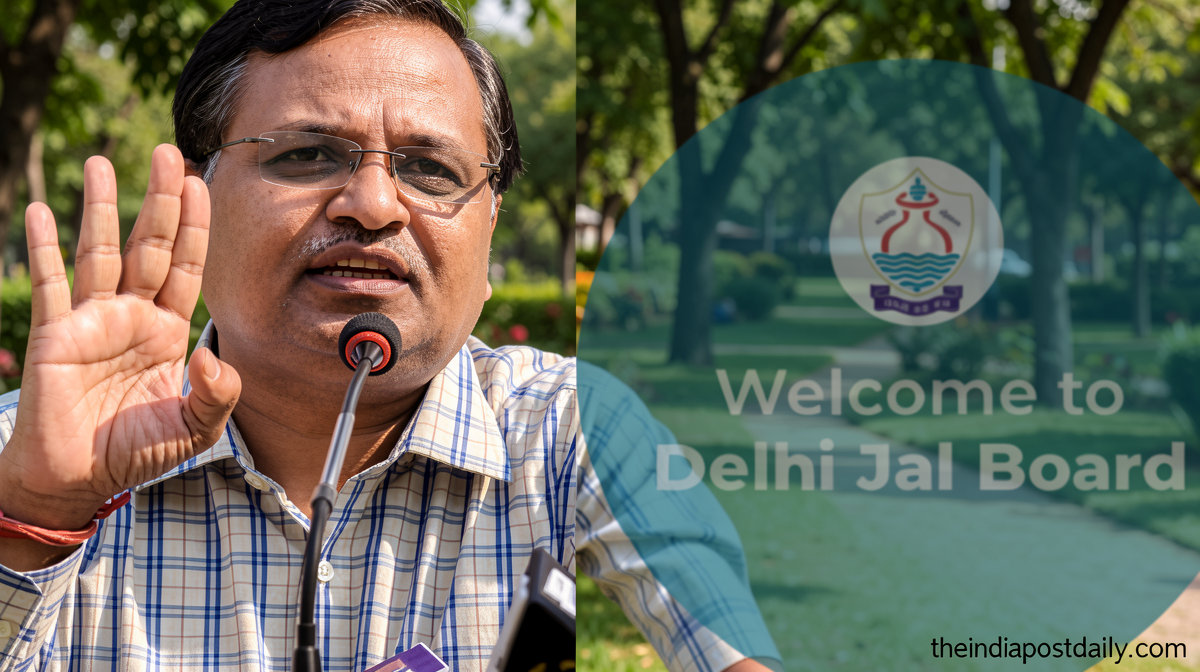
Satyendar Jain Walks Free: Delhi Court Clears AAP Leader in Jal Board Tender Scandal
Theindiapostdaily.com – A Special Court in Delhi has released Aam Aadmi Party veteran and former water minister Satyendar Jain on bail, ending his brief spell in judicial custody tied to a sprawling corruption probe into the city’s sewage infrastructure contracts. The order, delivered on Thursday by Special Judge Dig Vinay Singh, came after Jain was physically brought before the bench while his co-accused appeared remotely through a video link. The judge directed Jain to post a personal bond of ₹2 lakh and name two sureties for the identical sum before he could leave the courtroom.
Jain had been locked up for a 14-day judicial custody period beginning August 19. The remaining accused will have their bail applications heard on September 5, meaning the case’s procedural clock continues to tick even as its most prominent figure regains his liberty.
What the Prosecution Alleges
At the heart of the matter sits a tender awarded to Euroteck Environmental Private Limited while Jain held the Delhi water portfolio. The Anti-Corruption Bureau contends that the bidding parameters were engineered from the outset to channel the contract toward Euroteck, with technical specifications drafted so narrowly that only one bidder could realistically qualify. In effect, the agency argues, the competitive framework was a façade.
Separately, the ACB charges that Jain ordered the Rohini sewage treatment plant’s throughput doubled—from 15 million gallons per day to 30 million gallons per day—without commissioning the technical feasibility study that standard procurement protocol demands. The Bureau estimates this unilateral expansion inflated project costs by roughly ₹123 crore. It further alleges that commissions flowed through a chain of intermediaries before landing in the bank accounts of several named individuals, completing what prosecutors describe as a criminal conspiracy.
The case was registered in May 2024 after the Directorate of Vigilance filed a complaint flagging what it called widespread irregularities across the Delhi Jal Board’s tendering pipeline for upgrading and expanding multiple sewage treatment facilities. The Directorate’s submission, as characterised in court filings, pointed to systematic manipulation of bidding conditions rather than isolated lapses.
Why the Rohini STP Expansion Matters
Delhi’s sewage treatment network handles the city’s domestic wastewater before it is discharged into the Yamuna and its tributaries. The Rohini plant, located in the eastern suburbs, serves millions of residents across North and East Delhi. Doubling its daily processing capacity from 15 to 30 million gallons would have represented one of the largest single-plant upgrades in the city’s water-and-wastewater history. Critics of the original decision have long questioned whether the engineering, land, and environmental prerequisites were adequately vetted before the capacity figure was locked into a contract. The ACB’s allegation that no feasibility assessment preceded the change, if sustained in trial, would raise fundamental questions about governance standards in municipal infrastructure procurement.
Political Reactions Cross State Lines
The bail order landed amid a charged political backdrop. Punjab Chief Minister Bhagwant Mann, speaking on August 19—the same day Jain was committed to custody—framed the arrest as an electoral tactic. He told reporters that the ruling party’s preferred method was to detain prominent opposition figures during election cycles, and that the BJP appeared rattled ahead of the 2027 Punjab Assembly polls, having failed to establish a durable organisational presence in the state.
“The BJP’s way of working is to arrest prominent leaders during the elections,” Mann said. He added that the party was “rattled” ahead of the 2027 Punjab Assembly elections and had been “unable to gain a foothold” in the state.
Punjab Legislative Assembly Speaker Kultar Singh Sandhwan went further, attributing the move directly to Union Home Minister Amit Shah’s electoral playbook. Sandhwan pointed to Jain’s earlier two-year incarceration, during which, he stressed, not a single charge was proven in court, and characterised the present proceedings as political theatre rather than law enforcement.
“Satyendar Jain had previously been imprisoned for 2 years, yet not a single charge levelled against him in court was proven. This is not action taken against a crime; rather, it is Amit Shah’s way of fighting elections… however, the people of Punjab overcome fear; they confront and fight it, so they are not the sort to be intimidated. This is entirely political… ED is acting as an arm of BJP’s election campaign. The issue being raised pertains to a time when he was already in jail…”
What Happens Next
With Jain out on bail and the remaining accused scheduled for hearing on September 5, the case enters its next procedural phase. The ACB will continue to build its evidentiary record around the tender documents, the Rohini STP design revisions, and the financial trails linking intermediaries to the accused. For Delhi’s water infrastructure, the underlying question—whether the Rohini expansion was technically sound and competitively procured—remains unresolved pending trial. The city’s sewage treatment capacity, already stretched by rapid urbanisation, will continue operating under whatever contractual terms were ultimately enforced, regardless of the courtroom’s eventual verdict.
Related Reading
Frequently Asked Questions
What is AAP s Satyendar Jain granted bail?
AAP s Satyendar Jain granted bail is the main topic of this guide. The article explains the context, practical details, and next steps readers should understand.
Why does AAP s Satyendar Jain granted bail matter?
AAP s Satyendar Jain granted bail matters because readers are looking for a useful answer, not just a short summary. Good content should match search intent and help them decide what to do next.