3 Indian seafarers die in second US attack on vessel sailing near Oman coast
Three Indian seafarers have tragically lost their lives in the
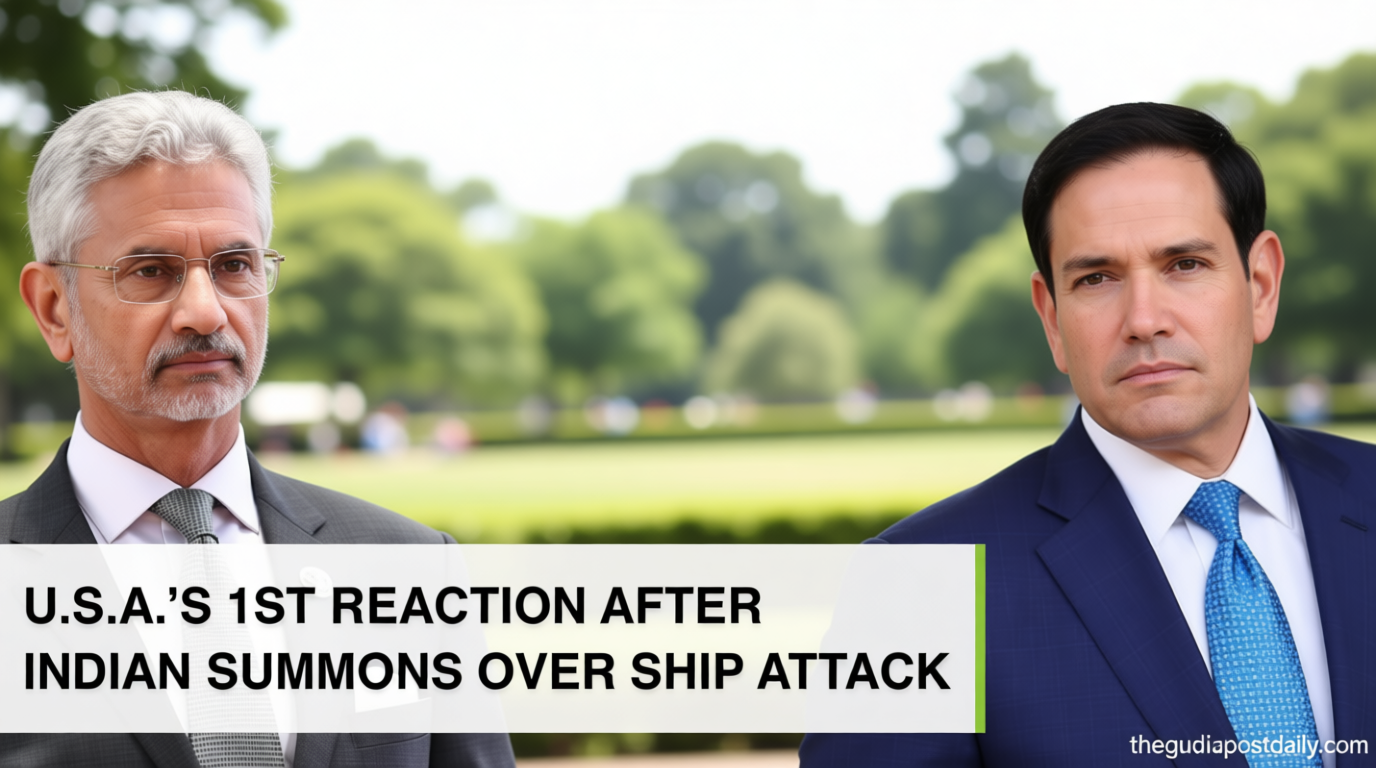
3 Indian Seafarers Die in Second US Attack Near Oman Coast
Theindiapostdaily.com – Three Indian seafarers have tragically lost their lives in the second U.S. attack on a vessel operating near Oman’s coastline, raising concerns about maritime safety in the region. The incident was confirmed by India’s Minister of Ports, Shipping, and Waterways, Sarbananda Sonowal, who shared updates via social media. All three casualties were among the 24 crew members aboard the Palau-flagged MT Settebello, which was struck by U.S. forces earlier this week. This event marks the second such attack in a short span, intensifying calls for clarity on the rationale behind the military actions.
Details of the US Strike and Immediate Response
According to officials, the attack occurred as the MT Settebello was navigating close to the Omani coast. U.S. forces cited the vessel’s non-compliance with instructions as the reason for the strike, which targeted the engine room. The Ministry of External Affairs (MEA) reported that 21 crew members were successfully rescued, while two bodies were recovered and identified as the deceased. One of the victims, Shivanand Chaurasia, hailed from Surauli village in Uttar Pradesh, highlighting the personal impact of the incident on Indian families.
Sonowal expressed deep sorrow over the loss of life, emphasizing the need for swift action to repatriate the deceased’s remains for their final rites. “We are coordinating with local authorities to ensure the safety and well-being of the remaining crew members,” he stated, underscoring India’s commitment to supporting its seafarers in such crises. The MEA also issued a statement condemning the attack, calling for further details to be shared with the global community.
US Central Command’s Explanation and Broader Context
The U.S. Central Command (CENTCOM) provided additional context, revealing that the second attack on the MT Settebello took place on June 9. The vessel had been attempting to breach the ongoing maritime blockade, which targets Iranian oil shipments. “U.S. forces disabled the ship as it transited the Gulf of Oman. A U.S. aircraft fired precision munitions into the engine room after the crew repeatedly failed to comply with directions,” CENTCOM explained in a statement. This action aligns with the broader strategy of enforcing sanctions against Iran by disrupting its supply lines.
Earlier on June 8, another oil tanker, M/T Marivex, was similarly targeted for violating the blockade. The MEA noted that American fighter jets, including an F/A-18 Super Hornet from the USS Abraham Lincoln, were involved in both operations. Since the blockade began on April 13, CENTCOM has reported that 134 ships have been redirected, while 42 vessels were allowed to pass for humanitarian purposes. These figures illustrate the scale of the U.S. naval campaign and its effect on international shipping routes.
The second US attack on the MT Settebello has sparked discussions about the risks faced by Indian seafarers in the region. With 3 Indian seafarers die in second US attack on vessel sailing near Oman coast, the incident underscores the vulnerability of maritime crews to such incidents. The MEA has reiterated its support for the affected seafarers, while also seeking explanations for the U.S. military actions. This aligns with India’s diplomatic efforts to safeguard its nationals in conflict zones.
Global Reactions and Impact on Maritime Trade
International reactions to the second US attack on the MT Settebello have been mixed, with some nations expressing concern over the escalation of tensions. The incident has raised questions about the effectiveness of the blockade and its impact on global oil supply chains. Analysts noted that the Gulf of Oman, a critical shipping lane, has seen increased militarization, with U.S. forces conducting regular strikes to disrupt Iranian activities.
Despite the attacks, the MEA emphasized that India continues to prioritize cooperation with the U.S. in the Indo-Pacific region. The focus keyword “3 Indian seafarers die in second US attack on vessel sailing near Oman coast” is central to understanding the current geopolitical climate. As the situation unfolds, the safety of seafarers and the stability of maritime trade remain key concerns for India and other nations reliant on these routes. The ongoing operations highlight the strategic importance of the Gulf of Oman in global energy logistics.