Supreme Court says listening to youngsters is the ‘biggest powerful source’ to curb protest violence: ‘Forces should….’
The Supreme Court says listening to youngsters is the most powerful tool available to prevent escalation during public demonstrations. During oral
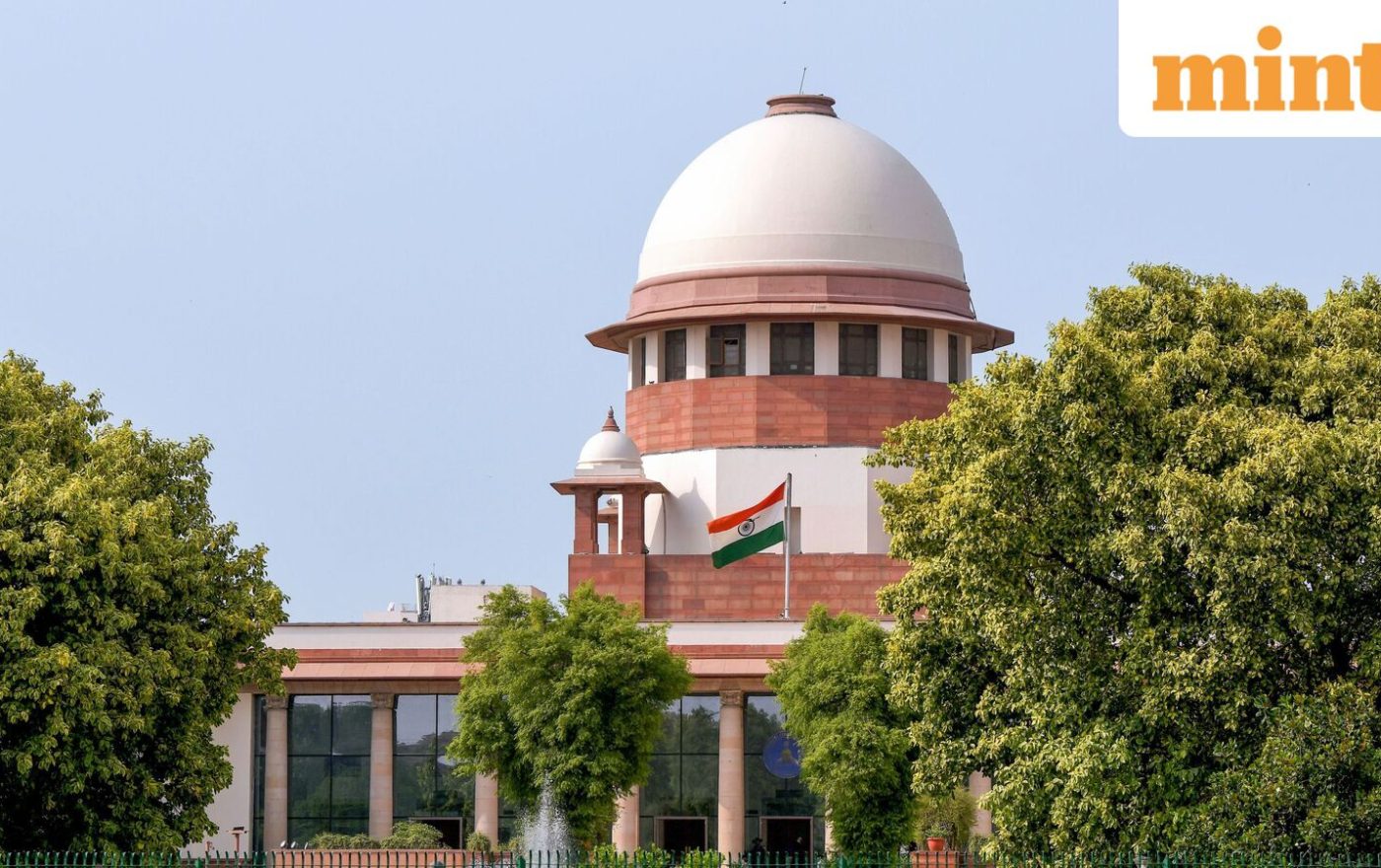
Supreme Court Says Listening to Youngsters Curbs Protest Violence
Theindiapostdaily.com – The Supreme Court says listening to youngsters is the most powerful tool available to prevent escalation during public demonstrations. During oral observations delivered on Wednesday, the apex court emphasized that engaging directly with the concerns of young demonstrators represents the most effective approach to managing unrest. The court also advised government authorities to exercise restraint when addressing isolated violent episodes within broader democratic protests and agitations, as reported by ANI news agency.
Bench Observations on Protest Management
A three-member bench consisting of Chief Justice of India Surya Kant, Justice Joymalya Bagchi, and Justice V Mohana delivered these significant observations while considering a petition filed against the Cockroach Janta Party. The petition sought action regarding the party’s alleged role in violence that broke out during recent demonstrations in Delhi and multiple other regions, including cases where stones were thrown at security forces.
“In a democracy, during such peaceful marches, forces also should exercise restraint. Authorities need to tread very carefully so that youngsters don’t indulge in violence. Responding violently would only aggravate the situation. The biggest powerful source is listening, listening to what they are saying and why they are agitating,” the CJI observed.
The court further emphasized that law enforcement agencies possess superior knowledge regarding how to handle such circumstances. The bench noted that authorities must balance maintaining order with careful, measured responses to avoid escalating tensions unnecessarily.
“Let us leave it to the wisdom of the law enforcement agency. They know better than us how to deal with the situation. We have heard you. We will take it up on that day. Let us see the view of the Central Government etc.,” the Court told the counsel representing the petitioner.
Counsel’s Arguments on Accountability
Maneesh Kumar Solanki, appearing for the petitioner, contended that protest organizers had significantly contributed to widespread disorder and deserved to be held accountable for the resulting violence. He alleged that demonstration leaders were “creating mayhem in the nation” and “fanning the fire” by making appearances and delivering speeches across numerous television channels.
The counsel maintained that even if the government seemed to be yielding ground, neither public society nor legal frameworks should retreat. He further argued that individuals participating in stone-throwing incidents must not be allowed to escape legal consequences. Highlighting continued mobilization efforts, Solanki warned that additional groups were expected to join demonstrations in the coming days, potentially worsening conditions if swift measures were not implemented.
Additionally, the petitioner’s representative pointed out that the CJP lacked formal registration and had not obtained authorization to march toward Parliament. Security concerns were raised regarding the possibility that protesters who entered the Parliament complex might have been carrying weapons, creating uncertainty about safety assurances.
Final Court Directions and Next Steps
The Supreme Court expressed readiness to examine all dimensions of the matter comprehensively before delivering its final verdict.
“We are open to all kinds of views and suggestions, including dissenting views,” the Court stated.
While reiterating that stone-pelting cannot be excused and those responsible must face legal proceedings, the court stressed that governmental responses should not intensify the situation. The bench subsequently ordered that the petition be consolidated with existing cases concerning violence during student demonstrations. All related matters will be heard together on the next date scheduled by the court.
Frequently Asked Questions
What did the Supreme Court say about handling youth protests? The Supreme Court says listening to youngsters is the biggest powerful source to curb protest violence. The court emphasized that authorities should exercise restraint and engage directly with young demonstrators’ concerns.
Which bench made these observations? A three-member bench comprising Chief Justice of India Surya Kant, Justice Joymalya Bagchi, and Justice V Mohana delivered these observations during oral remarks.
What was the petition about? The petition was filed against the Cockroach Janta Party regarding its alleged role in violence during recent demonstrations in Delhi and other regions.
When will the court hear the consolidated cases? All related matters will be heard together on the next date scheduled by the court, as per the bench’s order.
What did the court say about law enforcement agencies? The court stated that law enforcement agencies know better how to deal with such situations and should be given the freedom to handle them according to their expertise.