‘Miscarriage of justice’: Opposition stages symbolic walk-out from all-party meeting over invitation to 20 rebel TMC MPs
Opposition Calls for 'Miscarriage of Justice' as 20 Rebel TMC MPs Invited to All-Party Meeting Amid Procedural Controversy Miscarriage of justice - On July
Opposition Calls for ‘Miscarriage of Justice’ as 20 Rebel TMC MPs Invited to All-Party Meeting Amid Procedural Controversy
Theindiapostdaily.com – On July 19, ahead of the Monsoon Session of Parliament, the opposition staged a symbolic walkout from an all-party meeting after the government extended invitations to 20 TMC MPs who had rebelled against their party. The move was dubbed a miscarriage of justice by several leaders, who argued it undermined the procedural norms of parliamentary functioning. The Lok Sabha Speaker’s role in approving the merger of these MPs into the “so-called NCPI” became a focal point of the debate, with opposition figures highlighting the discrepancy between the group’s status and the ongoing disqualification petitions.
Procedural Flaws and Opposition Protests
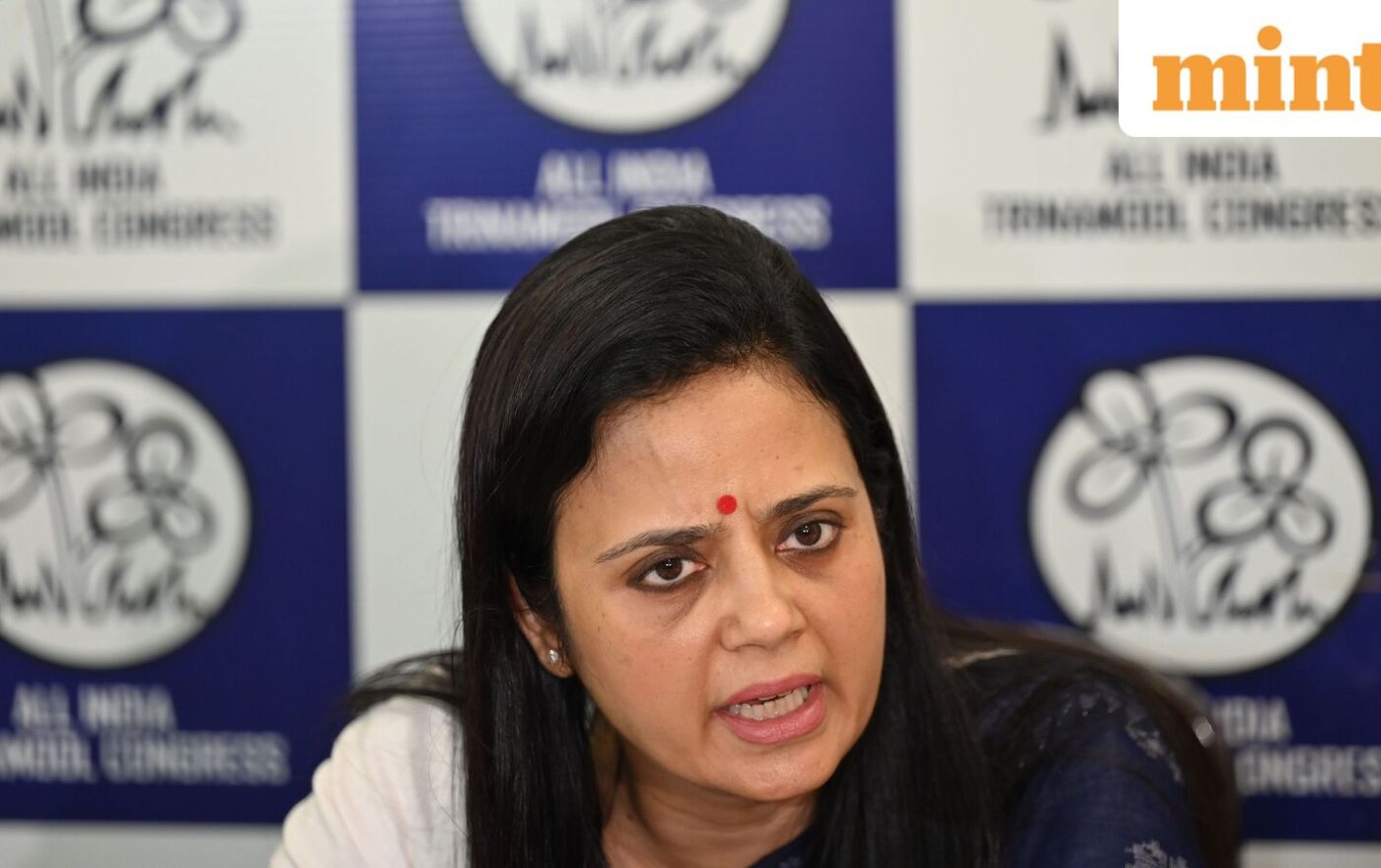
The miscarriage of justice allegation centered on the government’s decision to include the 20 rebel MPs in the all-party meeting without clear legal justification. TMC leader Mahua Moitra emphasized that the disqualification petitions were still pending, questioning the validity of the NCPI’s recognition. “How can these MPs be treated as part of the opposition when their status as a separate bloc is yet to be confirmed?” she asked, pointing to the confusion around the NCPI’s constitutional standing. The TMC’s presence in the list as 28 members, not the 20 rebels, further fueled the debate about procedural fairness.
Congress leader Jairam Ramesh criticized the invitation on social media, framing it as a miscarriage of justice against the opposition’s collective voice.
“This walkout was a mark of protest against the Modi Govt’s choice to invite the NCPI, which acts as a temporary shelter for 20 so-called rebel TMC MPs, before the Speaker’s final verdict,”
he tweeted, stressing that the decision risked fracturing the opposition’s unity. The protest underscored concerns that the government was prioritizing procedural shortcuts over democratic accountability.
TMC Rebels and Their Constitutional Defense
Rebel TMC MPs defended the move, asserting that the merger with the NCPI was constitutionally sound. Lok Sabha MP Kakoli Ghosh Dastidar argued that the Speaker had already validated their affiliation, calling it a miscarriage of justice to exclude them from the opposition’s fold.
“Our 20 MPs have merged with NCPI. The Speaker has accepted us and will make arrangements for separate seating,”
she stated, while Sudip Bandyopadhyay emphasized the need for the House to recognize the new bloc. “Our stance is that the House belongs to the opposition; this must be acknowledged,” he added, framing the situation as a critical moment for parliamentary transparency.
Bandyopadhyay also highlighted the NCPI’s policies, suggesting their inclusion in the meeting was significant.
“These are the firm policies enshrined in the NCPI’s constitution. We believe this is important, especially since three of the 20 rebel MPs are Muslim,”
he noted, linking the merger to broader representation issues. Despite the formal recognition pending, sources confirmed that the rebel group would be seated separately, reflecting the tension between procedural adherence and political maneuvering.
Shiv Sena’s Legal Challenge to the Merger
Shiv Sena (UBT) MP Arvind Sawant joined the opposition in protest, questioning the legality of the NCPI’s recognition.
“Speaker mentioned the term ‘affiliation’ is granted to the six MPs; where is this term in the books of law?”
he challenged, arguing that the merger without proper legal backing constituted a miscarriage of justice. “There is no provision in the Constitution or Schedule 10 to recognize the six members who have defected from the party,” he stated, accusing the government of creating a framework that allowed procedural deviations. This legal critique aligned with the opposition’s broader argument that the inclusion of the rebels was unjustified.
The controversy over the NCPI’s status was compounded by the Shiv Sena merger, which raised questions about the consistency of procedural rules. While the UBT members had merged with Shiv Sena (Shinde), the TMC rebels’ inclusion in the all-party meeting was seen as a symbolic victory, even as legal and political challenges persisted. The debate highlighted a growing concern among opposition parties about how the government was navigating parliamentary procedures to maintain its majority.
Government’s Argument for Smooth Parliamentary Functioning
As the Monsoon Session approaches, Union Minister Kiren Rijiju urged the opposition to prioritize parliamentary efficiency, framing the dispute as a temporary hurdle.
“Creating a ruckus serves no purpose, and the public does not appreciate it. The citizens of this country want the parliament to function smoothly,”
he said, emphasizing the need for consensus. Rijiju also argued that disruptions had historically yielded minimal political gains,
“It has been proven time and again that disrupting Parliament yields no political benefits,”
he added, suggesting the government’s actions were necessary to avoid further chaos. However, opposition leaders remained unconvinced, insisting the situation required a thorough review to prevent a miscarriage of justice in the long run.