Govt says ‘closely following’ developments on US bill seeking 100% tariff over Russian oil purchase
India Closely Following US Bill on Russian Oil Tariffs MEA’s Response to US Tariff Proposal Govt says closely following developments on US - The Indian
India Closely Following US Bill on Russian Oil Tariffs
MEA’s Response to US Tariff Proposal
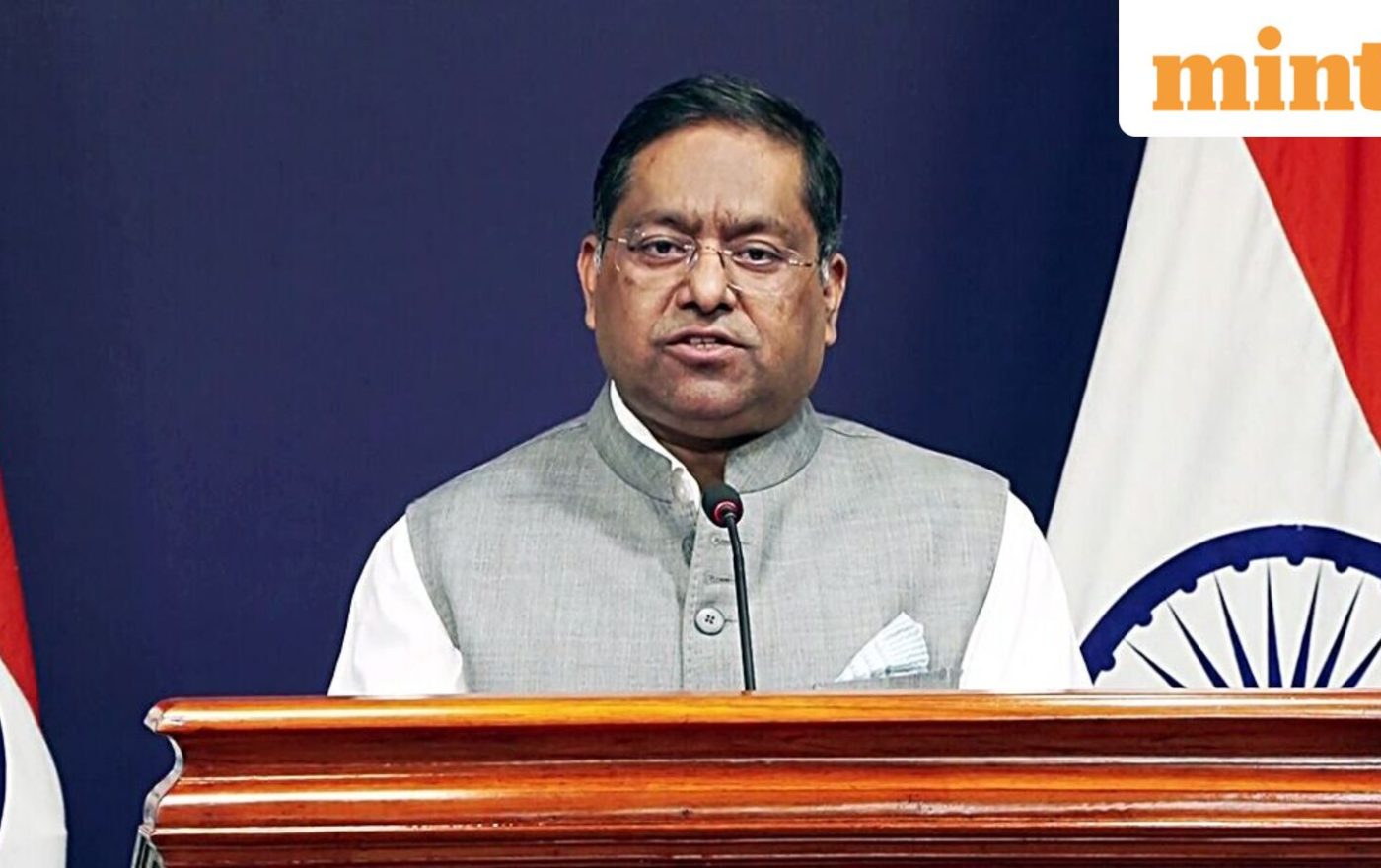
Theindiapostdaily.com – The Indian government has confirmed it is closely following developments on a proposed US bill aimed at imposing 100% tariffs on countries that purchase Russian crude oil. During a July 17 media briefing, Ministry of External Affairs (MEA) spokesperson Randhir Jaiswal highlighted the government’s vigilance over the legislative changes, stating, “We are closely following these developments, and we are aware of the proposed legislation.” This statement underscores India’s active engagement in assessing the potential impact of the bill on its energy sector.
The bill, currently under consideration in the US Senate, seeks to leverage tariffs as a tool to curb global demand for Russian oil and gas. By targeting the largest importers, it aims to financially strain Russia and support the ongoing Ukraine conflict. India’s position as a major importer of Russian crude oil has placed it in the spotlight, with the MEA emphasizing the need to monitor the bill’s evolution closely. While the government has not yet taken a definitive stance, it has expressed interest in understanding how the legislation might align with or conflict with its own energy policies.
Bill’s Strategic and Economic Implications
The proposed legislation, often referred to as the “Lindsey O. Graham Sanctioning Russia Act of 2026,” introduces a nuanced approach compared to earlier versions. Rather than blanket sanctions, it focuses on economic leverage by applying up to 100% tariffs on the top five countries importing Russian energy resources. This targeted strategy is designed to pressure nations into reducing their reliance on Russian oil and gas, with India being one of the key players under scrutiny. The bill also includes provisions to exempt countries importing less than 15% of Russia’s gas exports, provided they demonstrate substantial efforts to cut imports.
India’s energy imports are a cornerstone of its economic strategy, with the country relying heavily on crude oil and natural gas to meet its growing demand. The MEA reiterated that India’s procurement decisions are guided by economic and strategic priorities, ensuring energy security while maintaining cost efficiency. This dual focus has allowed India to diversify its sources, engaging with suppliers across the Middle East, Africa, and Asia. However, the US bill’s potential tariffs could disrupt this balance, prompting the government to evaluate its options carefully.
Targeted Countries and Global Impact
The bill specifically names China, India, Slovakia, Hungary, and Azerbaijan as the primary targets for the 100% tariffs. These nations are identified for their significant purchases of Russian energy resources, which have contributed to Russia’s revenue and the war effort. The inclusion of India in this list highlights the country’s role in the global energy market and the potential consequences of the tariffs on its trade relations with the US. While the bill is framed as a strategic move to isolate Russia, it also raises questions about the impact on countries that have been critical of Western sanctions.
India’s reliance on Russian oil has been a point of contention in recent months, as the US and European Union have intensified their efforts to reduce Russian energy exports. The MEA has maintained that India’s approach is pragmatic, prioritizing stable supply chains and affordable prices for its consumers. Despite the US bill’s focus on economic leverage, the Indian government has not ruled out the possibility of diplomatic engagement to mitigate its effects. This careful balancing act reflects India’s broader foreign policy of maintaining strategic autonomy while fostering international partnerships.
Historical Context and Legislative Evolution
The proposal builds on previous efforts to restrict Russian oil imports, with the initial version of the bill introduced in April 2025 by Democratic Senator Richard Blumenthal and late Republican Senator Lindsey Graham. The updated version, however, refines the scope by narrowing the tariff application to the top five importers, ensuring a more targeted impact. This shift from broad sanctions to specific economic measures is intended to align with the US’s broader goals of maintaining global energy markets while supporting Ukraine’s war efforts.
India’s oil imports from Russia have been a strategic choice, particularly during periods of geopolitical tension. The country has secured favorable pricing and reliable supply chains through its agreements with Russian producers. If the bill passes, India may need to renegotiate terms or explore alternative suppliers, which could affect its energy security. The MEA has signaled that it is prepared to address these challenges, ensuring that India’s energy needs remain met without compromising its economic interests.
Global Reactions and Diplomatic Considerations
As the bill moves closer to potential enactment, global stakeholders are closely monitoring its implications. Analysts suggest that the US’s focus on India and other key importers reflects a growing effort to isolate Russia economically. However, India’s ability to absorb the impact of the tariffs will depend on its capacity to diversify imports and maintain strong trade ties with other nations. The MEA has emphasized that the government is actively considering diplomatic and economic responses to ensure a smooth transition if the tariffs are implemented.
India’s position on the US bill also highlights its role as a bridge between Western and emerging markets. While the US seeks to reduce Russian influence, India’s neutral stance and economic pragmatism have made it a valuable partner for Russia in the energy sector. The government’s close following of developments underscores its commitment to maintaining this delicate balance, ensuring that it can navigate the geopolitical landscape without sacrificing its economic growth. This approach is likely to shape India’s future interactions with both the US and Russia in the global energy market.