When will petrol, diesel get cheaper? Petroleum Minister Hardeep Singh Puri answers amid cooling Brent price
As global oil prices stabilize and Brent crude declines, the pressing question remains:
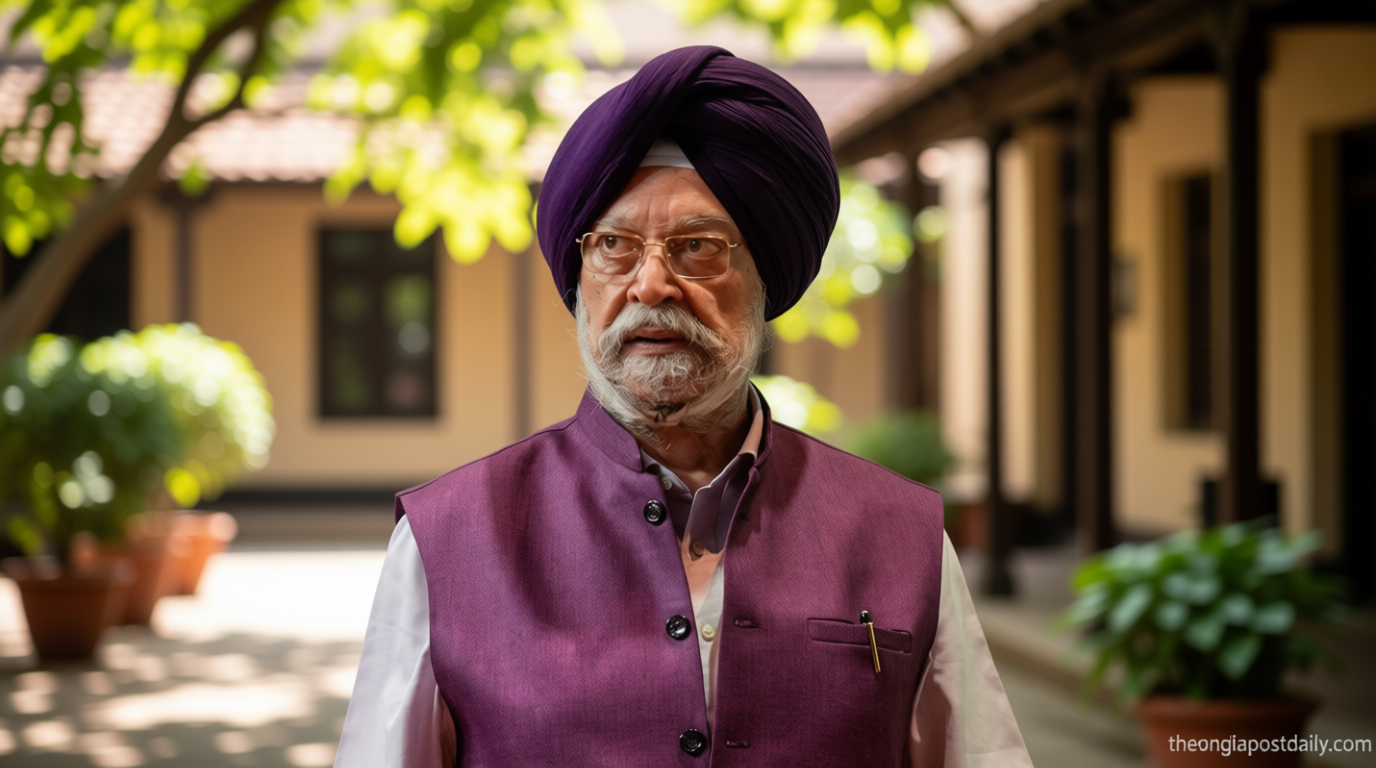
When Will Petrol and Diesel Get Cheaper? Hardeep Singh Puri Addresses Market Concerns
Theindiapostdaily.com – As global oil prices stabilize and Brent crude declines, the pressing question remains: **when will petrol and diesel get cheaper**? Industry experts and consumers are closely watching the potential for price reductions in India, where oil marketing companies (OMCs) have been navigating a volatile market. With recent geopolitical easing and the U.S.-Iran peace talks contributing to lower international benchmarks, the focus has shifted to domestic fuel pricing and whether the government will soon allow OMCs to lower costs for consumers.
OMCs Balancing High-Cost Stock and Market Dynamics
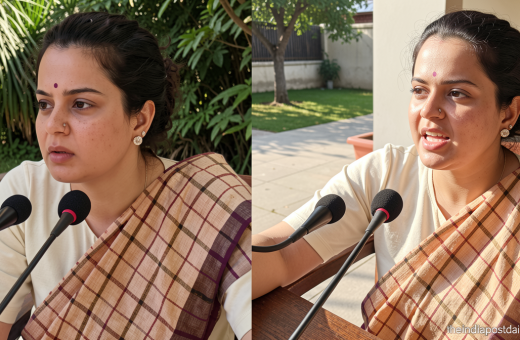
During a recent press conference, Petroleum Minister Hardeep Singh Puri outlined the challenges faced by state-owned OMCs in managing their inventory. He explained that these companies continue to process stocks acquired during periods of high oil prices, which are now being sold at lower margins. The minister emphasized that price adjustments are heavily dependent on international crude rates, and while a decline in Brent crude could signal a potential easing of costs, the timeline remains uncertain.
“If the question is **when will petrol and diesel get cheaper**, the answer depends on the sustained low crude prices. OMCs are still burdened by elevated purchase costs, higher insurance and freight expenses, and the need to maintain supply chains,” Puri stated.
Financial Strain and Strategic Delay in Price Cuts
The minister highlighted that OMCs have reported significant financial strain, with cumulative losses and under-recoveries reaching ₹74,781 crore in the June-end quarter. These losses were attributed to selling fuel at prices below their production costs, driven by fixed crude purchase contracts. Puri clarified that oil companies typically secure crude oil two months in advance, meaning current fuel prices are influenced by earlier, more expensive acquisitions. This strategic approach has delayed immediate price cuts, even as international prices have dipped.
While the government has been cautious in adjusting domestic prices, Puri noted that Indian petrol prices rose only 5.58% during the latest surge, far below the 20% increase seen in developed nations and the 35% rise in neighboring countries. This disparity has raised questions about whether India’s pricing mechanism is too rigid or if it offers some protection against global volatility.
Global Market Trends and Brent Crude’s Recent Performance
The cooling trend in Brent crude prices has been influenced by multiple factors, including improved geopolitical conditions in the Middle East and the resumption of oil exports through the Strait of Hormuz. After hitting a four-year low of $70.37 per barrel on Thursday, the benchmark rebounded slightly to $72 per barrel by July 3. However, this rebound followed a record quarterly slump, marking the worst performance since 2020. Analysts suggest that sustained low prices over the next two to three months could lead to meaningful adjustments in Indian fuel costs.
“The recent drop in Brent crude is a positive sign, but we need to see consistent lower prices to justify a change in domestic rates. The timing will depend on how long the global market remains in this downward trajectory,” Puri added.
Consumer Impact and Ethanol Blends
As the government considers further price cuts, consumer concerns about the affordability of fuel persist. Puri acknowledged that the introduction of E20 petrol, which contains 20% ethanol, has led to questions about its efficiency. While admitting that mileage might decrease slightly with the ethanol blend, he assured that the performance benefits outweigh this drawback. The minister cited examples such as racing cars using ethanol, where increased acceleration and reduced knocking are observed.
Consumers are also eager to see whether the government will introduce subsidies or incentives to ease the financial burden. Puri hinted at the possibility of additional measures, but stressed that the OMCs’ ability to adjust prices hinges on their financial position and the stability of global crude prices. This creates a delicate balance between protecting consumers and ensuring the sustainability of the oil sector.
Projected Timeline and Policy Considerations
Industry analysts predict that if Brent crude maintains its current trajectory, Indian fuel prices could start to decline by late August or early September. However, this timeline assumes no major disruptions in global supply chains or sudden spikes in demand. Puri emphasized that the government is closely monitoring the situation and will take action once the market demonstrates consistent downward trends.
“The decision to lower prices is not taken lightly. We are evaluating all factors, including the OMCs’ financial health and the long-term impact of price adjustments on the economy. **When will petrol and diesel get cheaper** is a question we are actively addressing,” Puri concluded. This commitment to transparency and responsiveness is crucial as the public and businesses await relief from rising fuel costs.