Supreme Court quashes Essel insolvency order over tribunal’s use of fake, AI-generated precedents
Supreme Court Quashes Essel Insolvency Order Over AI-Generated Citations Theindiapostdaily.com – Essel Infraprojects Ltd. has gained national attention as the Indian Supreme Court overturned its insolvency orders, citing the misuse…
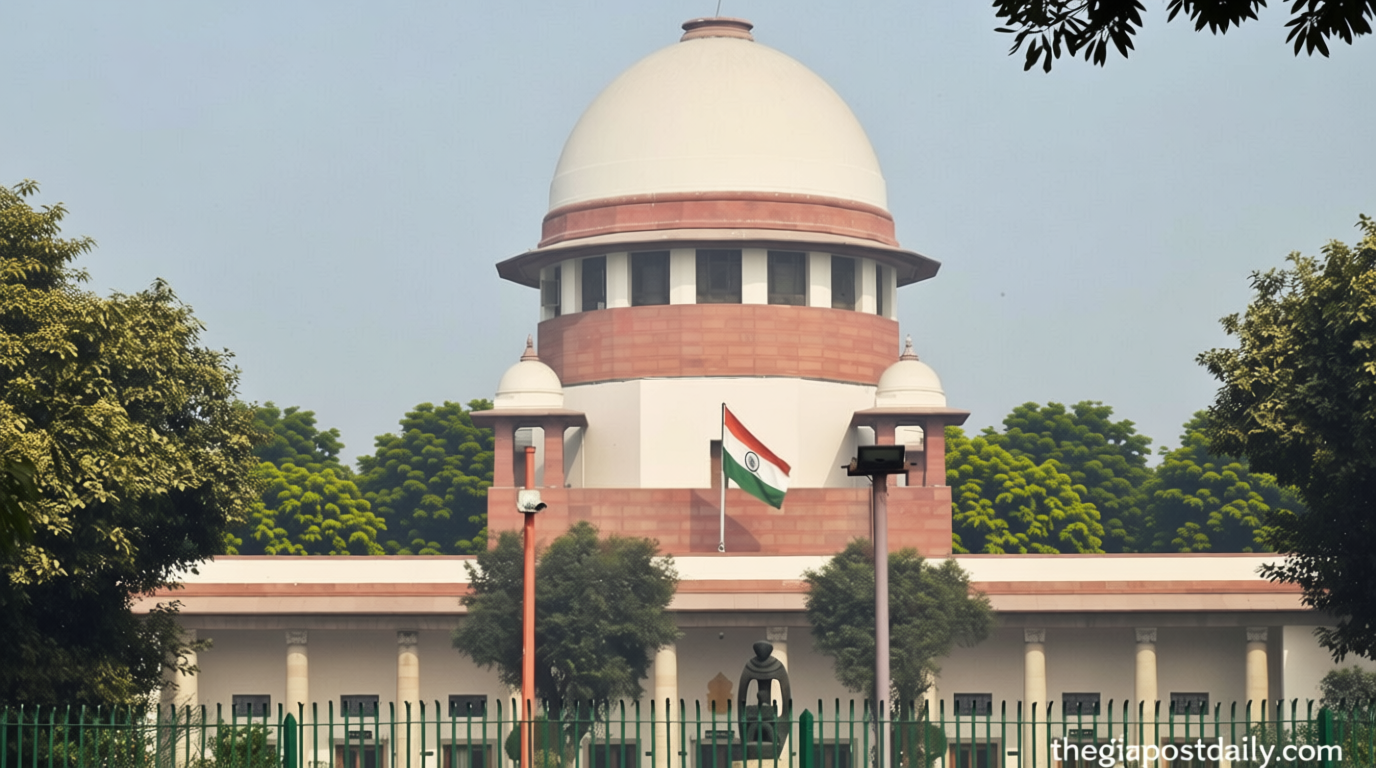
Supreme Court Quashes Essel Insolvency Order Over AI-Generated Citations
Theindiapostdaily.com – Essel Infraprojects Ltd. has gained national attention as the Indian Supreme Court overturned its insolvency orders, citing the misuse of AI-generated citations. The court found that the National Company Law Tribunal (NCLT) and National Company Law Appellate Tribunal (NCLAT) had relied on fabricated judicial precedents, raising critical concerns about the role of artificial intelligence in legal proceedings. This decision underscores the Supreme Court’s commitment to maintaining judicial integrity in an era where technology is increasingly integrated into the legal system.
AI-Generated Citations Under Scrutiny
The controversy erupted when senior advocate Madhavi Divan highlighted the reliance on non-existent judgments by the NCLT and NCLAT. These tribunals had used AI tools to create citations that either misrepresented past rulings or were entirely fictional. The Supreme Court’s ruling confirmed these discrepancies, emphasizing that such citations could mislead parties and compromise the fairness of legal decisions. The judgment also noted that some referenced cases contained misattributed paragraphs, further eroding trust in the evidentiary process.
“The use of AI-generated citations without verification has become a significant threat to the credibility of legal arguments,” said Chirag Gupta, associate partner at Alpha Partners. “When judges depend on fabricated precedents, it undermines the foundational principles of justice and due process.”
Justice Pamidighantam Sri Narasimha and Justice Alok Aradhe, leading the bench, stressed the importance of human oversight in AI-assisted legal work. They called for a “zero tolerance” policy toward using AI without verifying the accuracy of the generated content, stating that such practices risk replacing human judgment with algorithmic bias. The court also directed the Bar Council of India to establish a committee to evaluate the proper use of AI in legal documentation and analysis.
Broader Implications for Legal Adjudication
The Supreme Court’s intervention highlights the growing need for transparency in AI-driven legal processes. While AI can streamline tasks like legal research and drafting, its use in determining key precedents requires careful scrutiny. The judges acknowledged that AI serves as a valuable tool but warned against allowing it to override human reasoning, particularly in complex cases involving high-stakes decisions. This ruling aligns with global trends where courts are increasingly examining the ethical use of AI in jurisprudence.
Legal experts argue that the Essel insolvency case sets a precedent for addressing AI-related misconduct. Amitraj Kaushal, an advocate at the Supreme Court, noted that fabricated citations are more prevalent than previously recognized. He explained that even senior legal professionals often use AI for initial drafts, highlighting the necessity of verification to prevent errors. The case also raises questions about the accountability of AI developers and the standards for their tools in legal settings.
Essel Infraprojects and the Legal Landscape
Essel Infraprojects Ltd., a prominent infrastructure developer, has been at the center of this legal upheaval. The company’s insolvency proceedings, which involved multiple tribunals, were invalidated due to the questionable use of AI-generated citations. This development has sparked discussions about how AI tools are shaping modern legal practice and whether they should be regulated more strictly. The court’s emphasis on the “Supreme Court quashes Essel insolvency” decision signals a shift toward prioritizing accuracy over efficiency in critical cases.
Following the ruling, the Bar Council of India has been tasked with reviewing guidelines for AI usage. The Supreme Court’s draft regulations, released in June 2026, aim to balance the benefits of AI with the need for judicial accountability. These rules prohibit AI from determining final legal outcomes, while allowing its use in administrative tasks like case management. The reforms also require legal professionals to validate AI-generated documents before presenting them in court, ensuring that the “Supreme Court quashes Essel insolvency” process remains robust.
Global Context and Future Outlook
India is not alone in addressing AI’s impact on legal proceedings. In January 2026, the Andhra Pradesh High Court raised similar alarms after a lower court cited four non-existent case laws. The Supreme Court’s decision to quash the Essel insolvency order further cements this trend, with other courts like the Bombay High Court and the Supreme Court itself previously identifying AI-related errors. These cases collectively demonstrate the increasing importance of auditing AI-generated content to maintain the reliability of judicial decisions.
As the “Supreme Court quashes Essel insolvency” case highlights, the integration of AI into legal systems demands a reevaluation of traditional practices. Legal professionals are now urged to adopt a dual approach: leveraging AI for efficiency while ensuring human oversight to verify accuracy. This balance is essential to prevent the overreliance on AI from overshadowing the nuanced reasoning required in legal adjudication. The Essel insolvency case serves as a cautionary tale for future applications of AI in similar contexts.