Oil prices down but firms still processing crude bought amid war, says Minister Puri — Here’s how much loss OMCs faced
Here's How Much Loss OMCs Faced Oil prices down but firms still
Oil Prices Down But Firms Continue Processing Crude Bought Amid War, Says Minister Puri — Here’s How Much Loss OMCs Faced
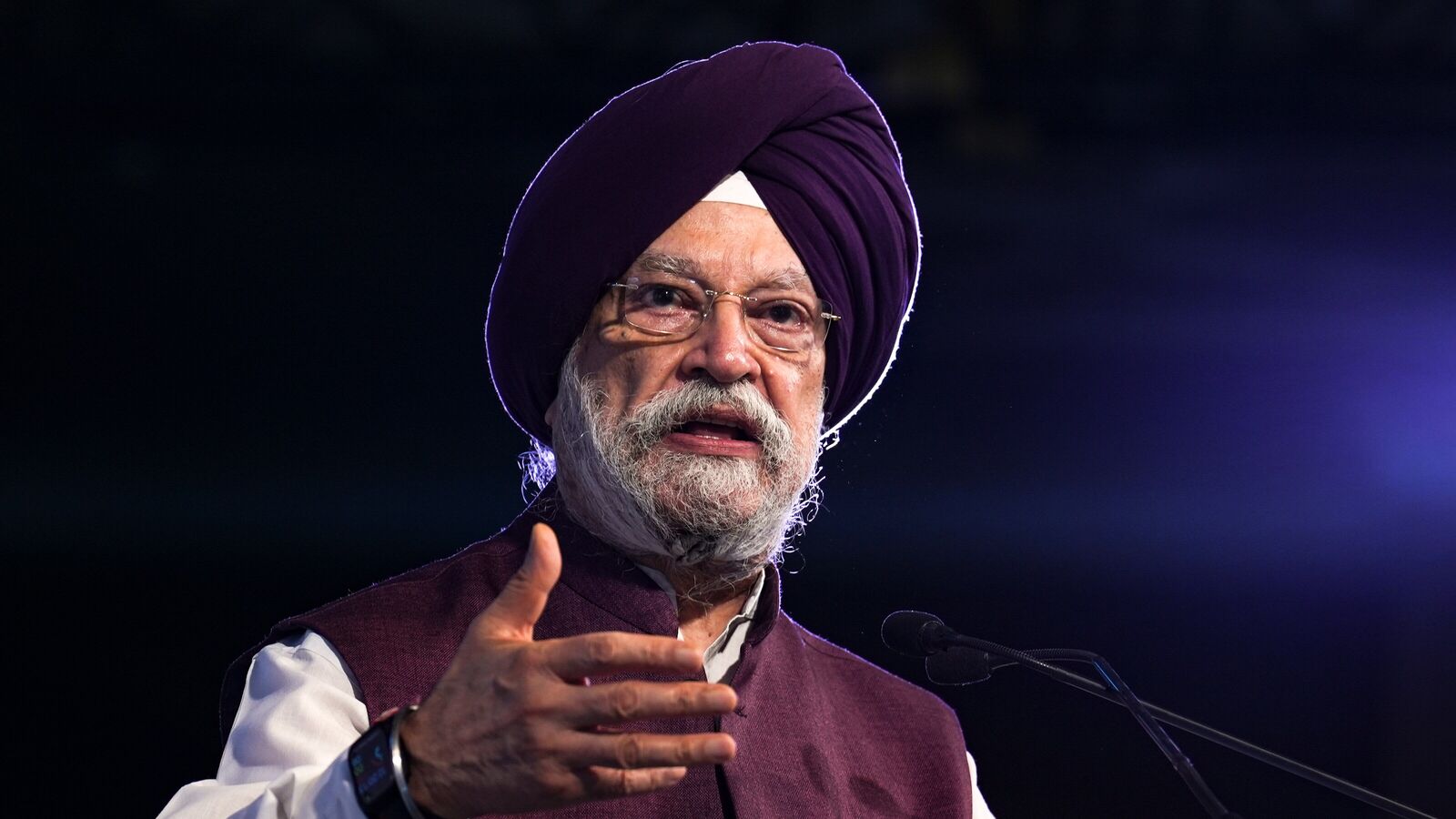
Theindiapostdaily.com – Despite a decline in global oil prices, state-owned oil marketing firms (OMCs) in India remain engaged in refining crude oil acquired during the height of the Middle East conflict, as stated by Hardeep Puri, the Union Minister for Petroleum and Natural Gas. The minister emphasized that the ongoing geopolitical tensions in the region have prompted these firms to maintain operations, even as international benchmarks have dropped. This situation highlights the dilemma faced by OMCs in balancing short-term losses with long-term strategic considerations. With oil prices down but firms still processing costly crude, the financial burden on these companies has intensified, raising concerns about their operational sustainability and the broader economic implications.
Financial Strain from Fuel Sales Below Cost
According to recent reports, the OMCs have incurred a staggering loss of ₹74,781 crore from selling petrol, diesel, and liquefied petroleum gas (LPG) at prices lower than their acquisition costs, as of June 30. This figure reflects the cumulative impact of fluctuating oil prices and the prolonged procurement of expensive crude stockpiled during the war. The minister noted that while international crude prices have declined, the firms continue to process and sell fuel at a discount, leading to significant financial strain. The mismatch between rising acquisition costs and falling retail prices has created a precarious situation for these state-run entities, with losses mounting due to the extended period of high-cost procurement.
“Oil prices down but firms still processing crude bought amid war,” Puri remarked, underscoring the challenges faced by OMCs. The minister highlighted that the decision to refine and sell fuel at lower prices is driven by the need to stabilize domestic markets and ensure uninterrupted supply to consumers. However, this strategy has come at a heavy cost, with the OMCs absorbing losses to maintain operations during uncertain global conditions. Puri’s comments reflect a broader awareness of the financial pressures on these firms and the urgency to find solutions that mitigate the impact of the price decline while addressing the ongoing supply chain disruptions.
Geopolitical Tensions and Crude Procurement Strategies
The persistent procurement of crude oil amid the Middle East conflict underscores the interconnectedness of global energy markets and regional geopolitics. OMCs, which have traditionally relied on stable pricing mechanisms, now face the challenge of managing inventory acquired at higher prices during periods of market volatility. The minister explained that geopolitical tensions, such as those in the Gulf region, have created uncertainty in the supply chain, forcing firms to secure supplies even when prices are unfavorable. This proactive approach aims to prevent potential shortages and ensure a steady flow of fuel, though it has resulted in substantial financial losses for the OMCs.
Analysts suggest that the decision to continue refining and selling expensive crude is a strategic move to hedge against future price spikes. By locking in supplies at current prices, OMCs hope to stabilize their operations and reduce dependency on volatile international markets. However, the current decline in oil prices has created a situation where these firms are essentially selling at a loss, as their acquisition costs remain higher than the retail prices they can charge. This scenario has raised questions about the long-term viability of such strategies and the need for policy interventions to support OMCs during this period of market instability.
Government Response and Policy Considerations
As the OMCs grapple with financial losses, the government has been closely monitoring the situation and exploring measures to alleviate the burden. Minister Puri hinted at the possibility of revising fuel prices if the decline in oil prices persists for several weeks, which could help reduce the financial strain on these firms. However, any decision to lower prices would require careful consideration of factors such as inflation, consumer demand, and the overall economic impact. The government is also looking into subsidies and other support mechanisms to cushion the losses incurred by OMCs, especially in light of the ongoing geopolitical tensions and the high-cost crude stockpiled earlier.
The loss of ₹74,781 crore is a clear indicator of the financial toll that the war in the Middle East has taken on the OMCs. This figure represents the total loss from selling fuel below cost, with each sale contributing to the overall deficit. The minister’s statements come at a critical time, as the industry faces the dual challenge of managing existing inventory and securing future supplies. By highlighting the situation, Puri aims to draw attention to the need for a balanced approach that supports both the firms and the consumers, ensuring that the decline in oil prices does not translate into a crisis for the OMCs.
Broader Economic Implications and Consumer Impact
The financial losses incurred by OMCs have broader economic implications, particularly for the domestic market. As these firms continue to process crude oil bought amid war, the cost of fuel for consumers remains a key concern. Despite the drop in international prices, the OMCs’ reliance on high-cost crude has kept domestic prices elevated, leading to a mismatch between market realities and consumer expectations. This situation has sparked discussions about the role of OMCs in India’s energy sector and the need for a more flexible pricing mechanism that can adapt to changing conditions.
Additionally, the ongoing losses may affect the government’s fiscal planning, as subsidies to OMCs are often part of broader economic strategies. With oil prices down but firms still processing costly crude, the fiscal burden on the government has increased, prompting the need for adjustments in subsidy policies. The minister’s remarks suggest that a comprehensive review of these policies is underway, with the goal of ensuring that OMCs remain financially resilient while continuing to provide essential fuel services to the public. This balancing act is crucial for maintaining energy security and economic stability in the face of global uncertainties.
As the OMCs navigate this challenging landscape, the focus keyword “oil prices down but firms” continues to resonate throughout the discussion. The situation highlights the interplay between global market trends and domestic operational strategies, with OMCs playing a pivotal role in stabilizing the energy supply. The financial losses, amounting to ₹74,781 crore, serve as a stark reminder of the industry’s vulnerability to price fluctuations and geopolitical events. With the government’s support and strategic adjustments, the OMCs aim to minimize these losses and adapt to the evolving energy market, ensuring that the impact of oil prices down but firms still processing crude is managed effectively.