India extends duty-free import of critical petrochemical products till July 15
India Extends Duty-Free Import of Petrochemicals Until July 15 Theindiapostdaily.com – India has extended its duty-free import policy for critical petrochemical products until 15 July, a move aimed at maintaining…
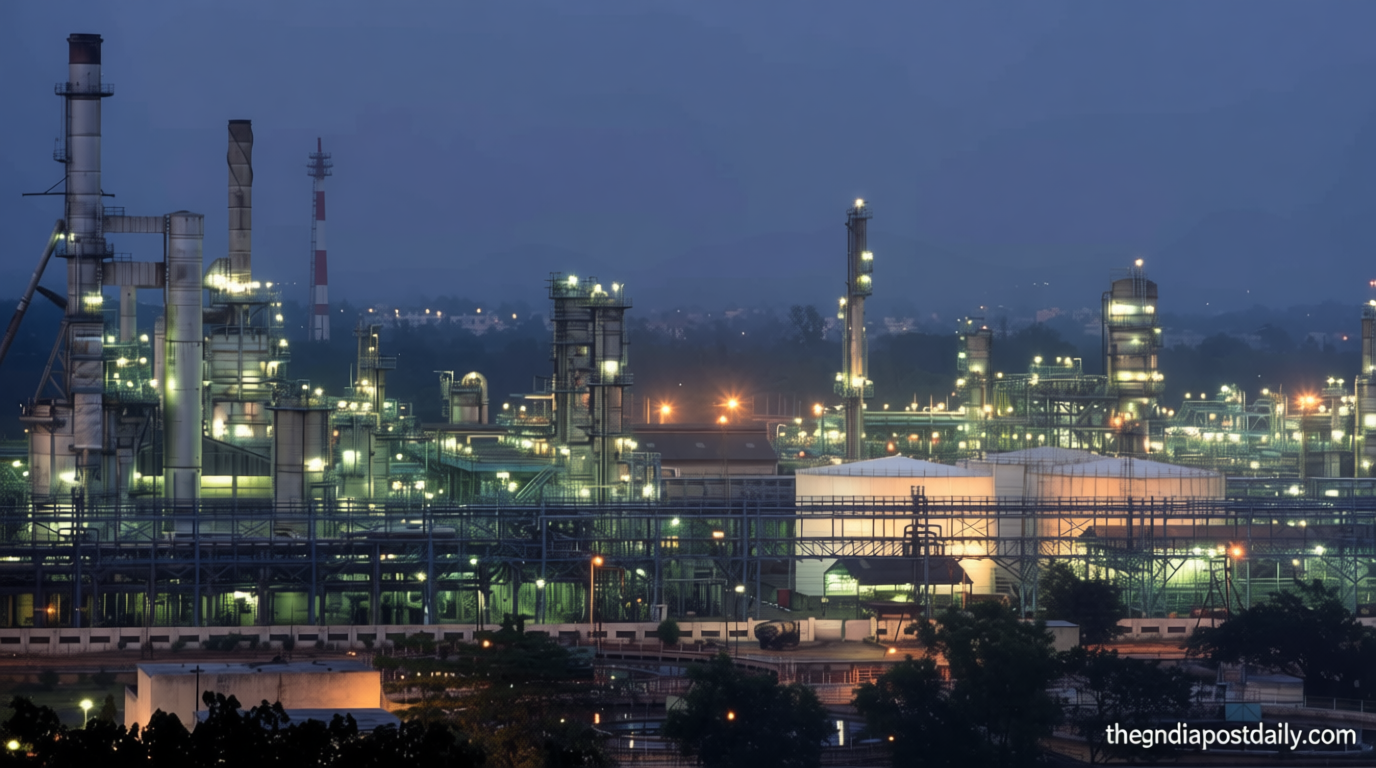
India Extends Duty-Free Import of Petrochemicals Until July 15
Theindiapostdaily.com – India has extended its duty-free import policy for critical petrochemical products until 15 July, a move aimed at maintaining supply chain resilience amid ongoing disruptions in the region. This decision by the Finance Ministry ensures that essential industries can continue operating without significant cost increases, as the zero customs duty regime for specific raw materials is now set to persist beyond the original timeline. The policy comes as a strategic response to the continued volatility in West Asia, where geopolitical tensions have impacted global trade flows and energy prices.
Strategic Move to Support Industrial Continuity
The extension of the duty-free import measures is a targeted effort to safeguard industries that rely heavily on imported petrochemicals. By retaining the exemption, the government hopes to mitigate financial pressures on manufacturers, particularly those involved in sectors such as plastics, textiles, and pharmaceuticals. The policy is designed to provide temporary relief, allowing businesses to stabilize operations and avoid potential production bottlenecks caused by supply chain disruptions. Officials have emphasized that this adjustment aligns with India’s broader economic strategy to bolster domestic manufacturing and reduce dependency on volatile international markets.
“This extension is crucial to ensure that industries can maintain their competitiveness and meet growing domestic demand without facing abrupt price hikes,” said a spokesperson from the Ministry of Finance in a recent statement. The exemption covers key products like methanol, polybutadiene, and toluene, which are integral to various industrial applications. The decision underscores India’s commitment to securing uninterrupted access to critical inputs during a period of geopolitical uncertainty.
Impact on Key Sectors and Market Stability
The duty-free import policy directly benefits sectors that are heavily dependent on petrochemical feedstocks. For example, the plastics industry uses methanol and polybutadiene to produce packaging materials and synthetic components, while the pharmaceutical sector relies on petrochemical derivatives for drug formulations. Textile manufacturers also benefit, as toluene and other intermediates are vital for producing synthetic fibers and dyes. By keeping import costs low, the policy supports price stability for finished goods, which in turn helps consumers and businesses navigate inflationary pressures.
Additionally, the automotive industry, which requires large quantities of petrochemical-based materials for components like tires and batteries, will see reduced input costs. This could help India maintain its position as a competitive manufacturing hub. The extension also allows downstream industries to plan long-term without the fear of sudden tariffs or price spikes, fostering a more predictable economic environment.
Regional Instability and Trade Dynamics
India’s decision to prolong the duty-free import period is influenced by the persistent instability in West Asia, a key region for petrochemical exports. Recent conflicts have disrupted shipping routes and led to increased freight costs, making imported raw materials more expensive. The extension of the exemption ensures that these rising costs do not translate into higher production expenses for Indian industries, which are already facing challenges from global inflation.
Moreover, the policy addresses the broader challenge of energy security. India imports a significant portion of its crude oil and refined petroleum products, and the petrochemical sector plays a vital role in this supply chain. By maintaining the duty-free status for critical products, the government aims to ensure that industries can continue functioning smoothly, even as regional tensions persist. This approach also allows India to leverage its trade relationships with other suppliers to diversify its sources of raw materials.
Government Objectives and Economic Context
Officials have highlighted that the extended duty-free import regime is part of a larger initiative to enhance India’s industrial capabilities and promote self-reliance. The policy is seen as a way to reduce the burden on manufacturers during a time of economic uncertainty, ensuring that production remains viable for small and medium-sized enterprises. This support is particularly important for sectors that are sensitive to price fluctuations, as it helps maintain employment and production levels.
The government has also cited the need to stabilize finished product prices in the domestic market. By keeping the cost of raw materials low, it can prevent a ripple effect that would otherwise drive up the prices of goods like fertilizers, chemicals, and industrial materials. This, in turn, protects both consumers and businesses from unexpected financial shocks. The extension reflects a balance between supporting industry and managing the long-term fiscal implications of the policy.
Future Outlook and Policy Review
While the current extension provides immediate relief, the government has indicated that it will review the policy in the coming months. Officials have not ruled out the possibility of extending the duty-free regime beyond July 15, depending on the evolving economic and geopolitical landscape. The decision to prolong the exemption is also seen as a demonstration of India’s flexibility in responding to global challenges, ensuring that its industrial base remains resilient.
Industry experts have welcomed the move, noting that it helps maintain the momentum of growth in key sectors. However, they also caution that the long-term sustainability of the policy will depend on the availability of alternative supply routes and the resolution of regional conflicts. The duty-free import measures, combined with India’s focus on domestic production, are expected to create a more balanced and stable petrochemical market in the country, even as global conditions remain unpredictable.