LPG prices today, 24 June: Domestic and commercial cylinder rates in Delhi, Mumbai, Bengaluru, Kolkata and other cities
As of 24 June, LPG prices today remain steady across major Indian cities
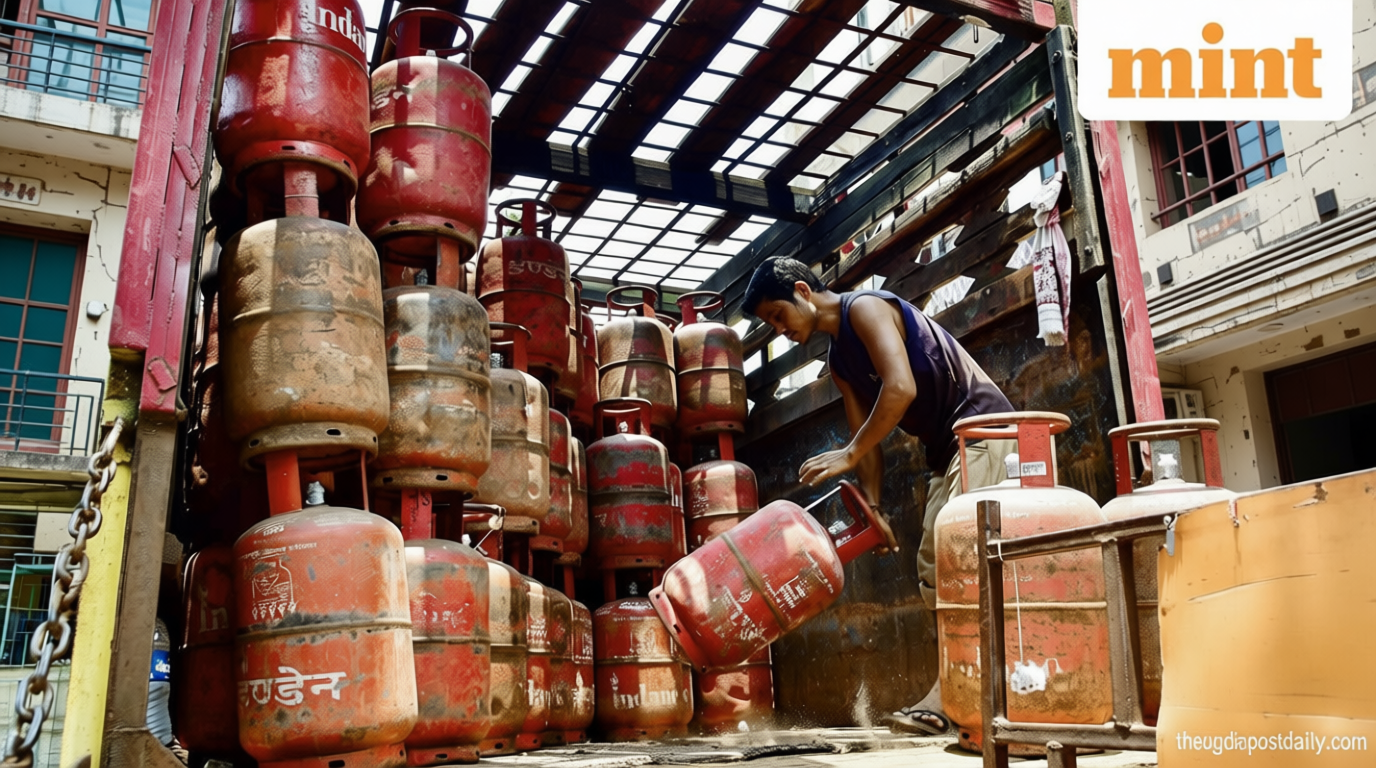
LPG Prices Today, 24 June: Cylinder Rates in Delhi, Mumbai, and Other Major Cities
Theindiapostdaily.com – As of 24 June, LPG prices today remain steady across major Indian cities including Delhi, Mumbai, Bengaluru, and Kolkata. The domestic and commercial liquefied petroleum gas (LPG) cylinder rates have not seen significant changes, despite recent fluctuations in global oil prices due to the easing of tensions between the US and Iran. This stability reflects the current market dynamics and government policies aimed at maintaining affordability for consumers and businesses alike.
Domestic LPG Cylinder Rates: No Recent Hikes
Since the last price adjustment on 7 June, domestic LPG cylinder prices have stayed consistent, offering relief to households and small businesses. The previous ₹29 increase for 14.2 kg cylinders was a result of under-recoveries faced by oil marketing companies (OMCs), which forced them to raise prices to cover rising costs. However, this month’s prices indicate a temporary pause in the upward trend, which followed a ₹60 hike in March.
Analysts suggest that the government’s decision to maintain current rates is influenced by seasonal demand patterns and the ongoing geopolitical developments. While the global market has seen some volatility, India’s domestic LPG prices have remained relatively insulated from these fluctuations. This stability is crucial for budgeting, particularly for low-income families relying on LPG for cooking and heating.
Commercial Cylinder Prices Rise Amid Global Supply Factors
On the commercial front, 19-kg LPG cylinder prices saw a ₹42 increase this week, continuing a trend of steady price growth over the past four months. This surge is closely tied to the Saudi Contract Price (CP), which is determined by Saudi Aramco at the start of each month. The CP has risen significantly, pushing up the costs for commercial users, such as restaurants, hotels, and industrial sectors.
Despite the rise, the overall impact on commercial demand appears manageable. Businesses are adapting by optimizing their usage and exploring alternative energy sources where feasible. However, the increased costs could affect profit margins, especially for small-scale operators. Industry experts note that the LPG prices today are still lower than pre-pandemic levels, which is a positive sign for economic recovery.
Strait of Hormuz Transit: A Key Route for LPG Imports
The recent US-Iran peace talks have positively impacted LPG imports through the Strait of Hormuz, a critical maritime route for India’s energy supply. Eleven Indian vessels successfully transited the strait in the past week, with three of them carrying over 285,000 metric tonnes of crude oil each. This development is a welcome relief for India’s energy sector, which had faced disruptions due to heightened tensions in the region.
Experts highlight that nearly 90% of India’s LPG imports pass through this strategic passage, underscoring its importance in the country’s energy strategy. With the resumption of normal shipping operations, the potential for increased supply and lower prices remains a possibility. However, the long-term impact will depend on sustained geopolitical stability and the effectiveness of India’s import diversification efforts.
India’s LPG Import Strategy: Balancing Supplies and Costs
India’s LPG import strategy has seen a shift in sources this month, with shipments from the US hitting a new high of 1 million metric tons in June. This marks a significant rebound from the 696,000 tons imported from West Asia in April, when the US-Iran conflict disrupted supply chains. Meanwhile, supplies from the UAE are expected to recover to 300,000–400,000 tons, while Kuwait contributes approximately 45,000 tons.
Although the US has become a major supplier, experts emphasize that West Asia remains the primary source for India’s LPG needs. The country’s efforts to diversify its imports have not yet fully offset the reliance on regional suppliers, which are still vital for maintaining a steady flow of energy resources. This June’s record imports from the US highlight the potential for stronger trade relations and increased market competition, which could help stabilize prices in the coming months.
Market Outlook and Consumer Impact
The current LPG prices today are a reflection of both global and domestic factors. While the global market has stabilized, the Indian government’s policies continue to play a key role in shaping cylinder rates. Consumers in Delhi, Mumbai, Bengaluru, and Kolkata can expect prices to remain stable for the foreseeable future, though seasonal demand could lead to minor adjustments in the coming weeks.
For businesses, the commercial LPG price hike is a challenge, but it is manageable with proper planning. The combination of stable domestic prices and increased imports from the US and UAE suggests that the market is in a phase of consolidation. This is a positive sign for both consumers and industries, as it indicates a balance between supply and demand. Continued monitoring of global oil prices and geopolitical developments will be essential for maintaining this stability.