LPG price today — 21 June: Domestic and commercial cylinder rates in Delhi, Mumbai, Bengaluru, Kolkata, Hyderabad
On June 21, the LPG price today has seen no change in
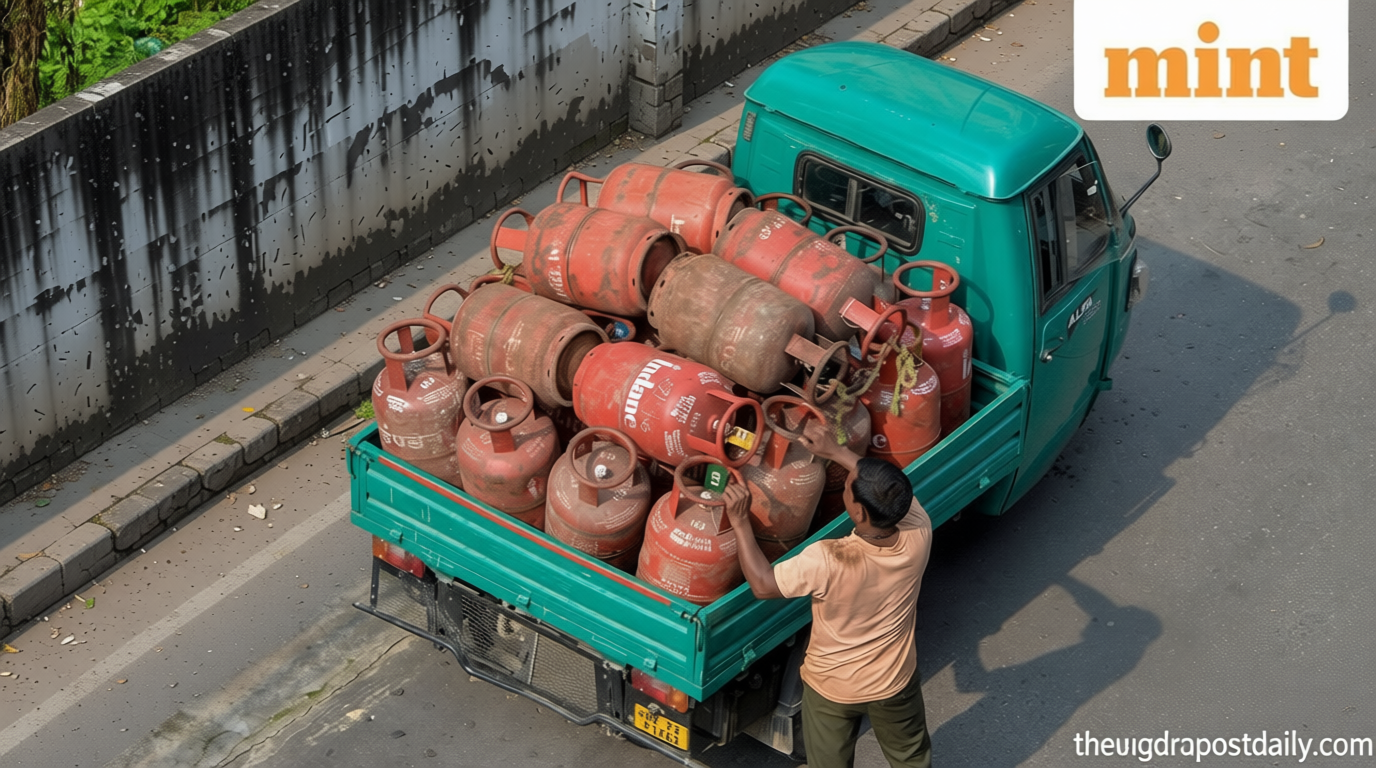
LPG Price Today: June 21 Rates in Delhi, Mumbai, Bengaluru, Kolkata, Hyderabad
Theindiapostdaily.com – On June 21, the LPG price today has seen no change in domestic and commercial cylinder rates across major Indian cities, including Delhi, Mumbai, Bengaluru, Kolkata, and Hyderabad. This stability comes after a recent price hike on June 7, marking the second increase in domestic LPG costs since the West Asia conflict began on February 28. However, commercial LPG prices surged significantly, rising over 79% following five adjustments in the same period. As of now, the 19-kg commercial cylinder costs ₹53.50, an increase of ₹42 from its previous rate, while the 14.2-kg domestic cylinder has climbed by ₹29 after the latest adjustment. The latest LPG price today remains a key topic for consumers and businesses alike, as fluctuations in international markets continue to influence domestic costs.
Geopolitical Influences on LPG Costs
The ongoing tensions in West Asia have had a profound impact on global energy markets, particularly affecting India’s reliance on Gulf region crude oil imports. With approximately 85-90% of India’s crude oil coming from Saudi Arabia, Iraq, Kuwait, the UAE, and Qatar, the Strait of Hormuz—often referred to as the lifeblood of international oil trade—has become a focal point for disruptions. The blockade of this critical waterway during the conflict created uncertainty in energy supply chains, leading to volatility in LPG prices. While the current LPG price today shows stabilization, the geopolitical landscape continues to shape the trajectory of fuel costs, with India actively seeking to diversify its sources to mitigate risks.
“The recent price stabilization in crude oil is a positive sign, but we must remain vigilant,” remarked Sujata Sharma, Joint Secretary in the Ministry of Petroleum and Natural Gas. “Global events can quickly shift the balance, and the LPG price today reflects both the resilience of our markets and the challenges ahead.” She further explained that the government is closely monitoring international developments to ensure that pricing decisions align with the evolving situation.
Government Strategies and Market Dynamics
In response to the fluctuating LPG price today, state-run oil marketing companies (OMCs) have taken proactive steps to cushion the impact on domestic consumers. By absorbing price adjustments, these entities have helped stabilize retail prices, even as global crude oil prices fluctuated. The Petroleum Ministry highlighted that the recent decline in crude oil prices, partly due to the US-Iran deal, could lead to a gradual easing of domestic LPG costs in the coming weeks. However, the Saudi Aramco Contract Price, a crucial benchmark for Indian imports, rose 46% between February and June, causing fuel retailers to face cumulative losses of ₹22,000 crore from March to May.
The LPG price today is also influenced by the shift in supply chains, as India diversifies its imports to include sources from the US and other Gulf nations. This strategic move aims to reduce dependency on the Strait of Hormuz, which has been a bottleneck during periods of geopolitical instability. Additionally, the increased production capacity of private players like Reliance Industries has helped meet domestic demand, further stabilizing the market. As the LPG price today continues to reflect global trends, the government and industry leaders are working in tandem to balance supply and demand effectively.
Consumer behavior has also adapted to the current LPG price today, with many households and businesses closely tracking adjustments to manage expenses. In cities like Delhi and Mumbai, where demand remains high, the domestic cylinder price has seen steady increases, prompting calls for more transparent pricing mechanisms. Meanwhile, commercial users, such as transport companies and industrial firms, have faced greater financial pressure due to the sharper rise in LPG prices. The recent stabilization offers a brief respite, but the long-term effects of the West Asia conflict and global market dynamics will continue to shape the LPG price today.
Strait of Hormuz Closure and Its Aftermath
The closure of the Strait of Hormuz, which occurred following Israeli strikes in Lebanon, initially raised concerns about global oil supply chains. This strategic waterway, through which about 20% of the world’s oil passes, was temporarily blocked, leading to price surges in energy markets. The situation prompted a reevaluation of India’s import strategies, with the government accelerating efforts to secure LPG supplies from alternative sources. Iran’s decision to reopen the strait after negotiations with the US and other stakeholders has alleviated some immediate pressures, but the long-term impact on the LPG price today remains under scrutiny.
As the LPG price today stabilizes, experts are analyzing how the geopolitical resolution may affect future costs. While the immediate threat to supply chains has subsided, ongoing regional tensions could lead to renewed disruptions. The government’s proactive measures, including diversifying import routes and strengthening domestic production, are seen as critical to maintaining price stability. Industry analysts suggest that the LPG price today may remain volatile until global markets fully recover from the recent upheavals, emphasizing the need for continued monitoring and adaptive strategies.
India’s top refiner, Indian Oil Corporation (IOC), has been at the forefront of securing LPG supplies, chartering vessels to transport gas from key Gulf ports like Qatar’s Ras Laffan and UAE’s Ruwais. These efforts are set to begin on June 30, with the goal of ensuring a steady supply amid uncertain conditions. The move underscores the importance of maintaining a flexible supply chain to counteract the fluctuations in the LPG price today. Meanwhile, Reliance Industries’ fourfold increase in production capacity post-conflict has played a vital role in meeting domestic demand, highlighting the resilience of the Indian energy sector.